

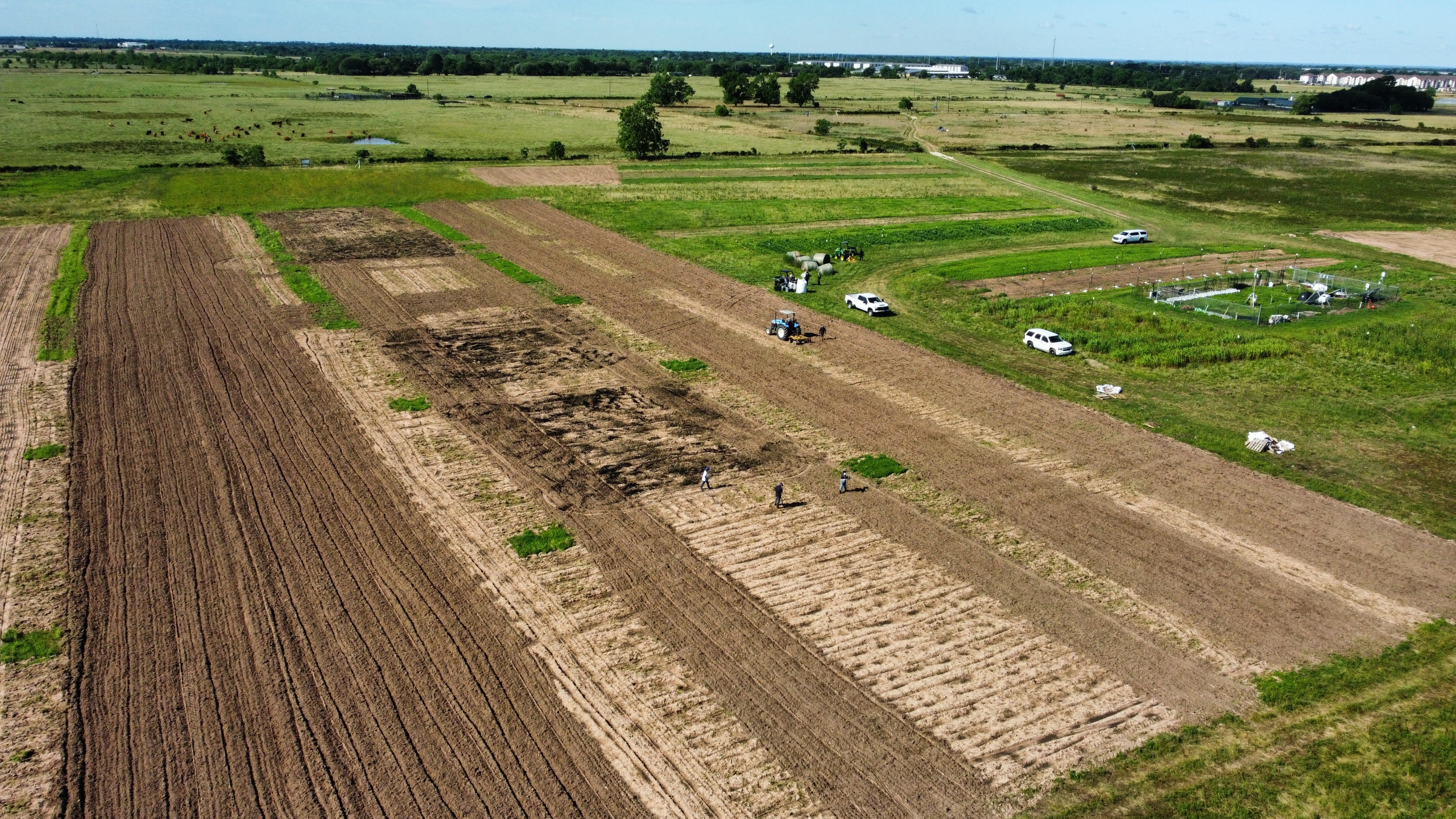
PRAIRIE VIEW, Texas (May 6, 2026) — Biochar research at Prairie View is transforming crop residue into far-reaching environmental solutions, and a new biomass processing and biochar production unit is set to accelerate that work.
Led by Dr. Ram Ray, the initiative centers on a waste-to-value model that converts unused biomass into biochar, a stable, carbon-rich material that can remain in soil for years and support long-term soil health and environmental sustainability.
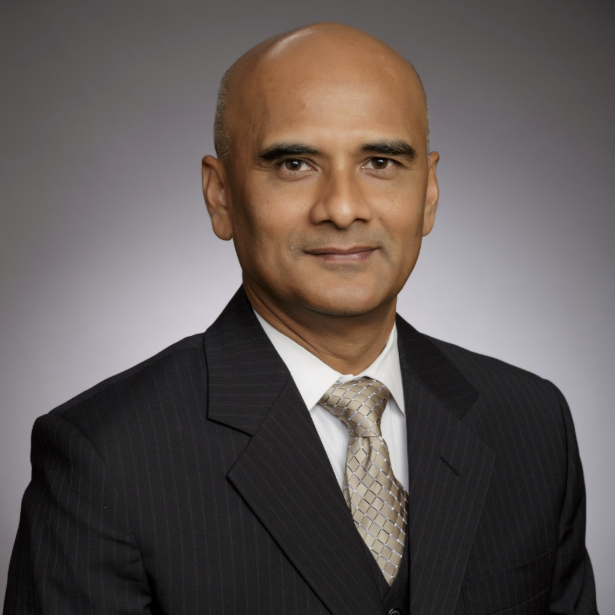
Dr. Ray Ram
Dr. Ray contributes to PVAMU’s land-grant mission through teaching, research, service, and leadership in research development and collaboration. In the Biochar Project, his role reflects that same approach: coordinating project planning, aligning resources, and facilitating research operations so that students and fellow researchers can effectively use the biochar processing unit to produce meaningful research outcomes for Texas and beyond.
These collaborations broaden the scope of the work, support more integrated research approaches, and strengthen the project’s ability to address complex issues such as soil health, carbon management, and environmental sustainability. As a result, the initiative serves not only as a research project but also as a platform for student development, cross-disciplinary scholarship, and institutional research growth.
According to Dr. Ray, the automated biochar processing unit at this scale is unlike anything currently available at other public or private institutions. He said the system positions PVAMU to strengthen its land-grant mission, expand its leadership in applied and interdisciplinary research, and advance practical solutions to agricultural and environmental challenges.
Nearly $1 million in total investment has supported the project’s growth, with the most significant portion going toward the acquisition of the $500,000 biochar processing unit set to accelerate Prairie View’s biochar research capacity, efficiency, and long-term impact.
While the project advances cutting-edge research, it also reflects a broader purpose: connecting education with meaningful impact.
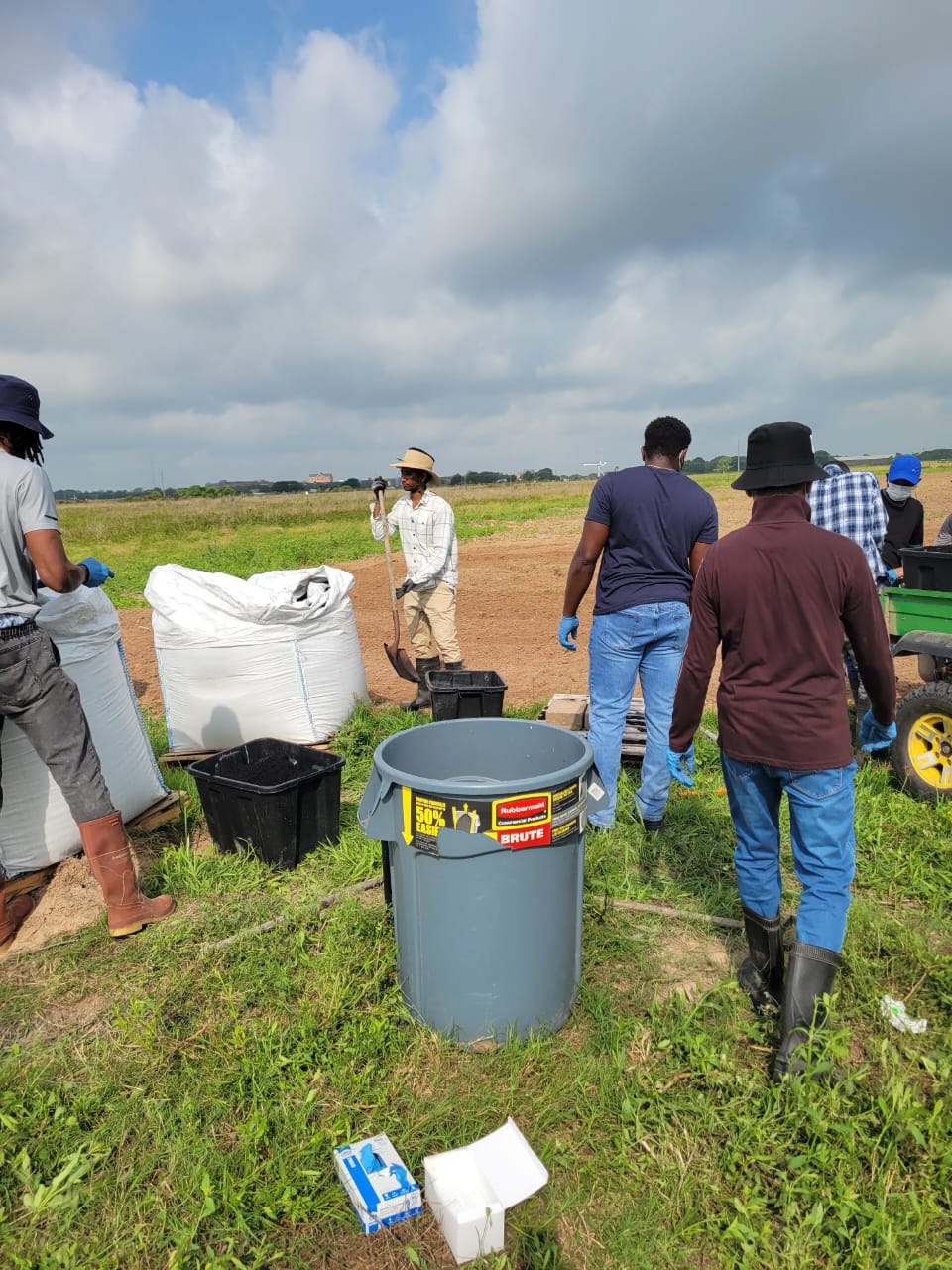
Students collecting field materials
Dr. Ray emphasized that the university is well positioned to link research, education, and outreach in ways that create long-term value. With strengths in sustainable agriculture, student training, community engagement and innovation that serve real-world needs, PVAMU is expanding biochar research in ways that can benefit producers, communities and the broader research enterprise.
Students play a central role in that mission. Through hands-on involvement, they gain experience with biochar technologies and their applications in sustainable agriculture and environmental management, building both practical skills and research expertise.
At PVAMU, that kind of work ties directly into a long-standing commitment to producing “productive Panthers,” encouraging students to think about how their education can translate into service and impact after graduation. Projects like the biochar initiative create space for students, especially those from historically underrepresented backgrounds, to engage in meaningful research while considering how they might give back to their communities.
Dr. Ray said the project is focused not only on scientific advancement but also on developing practical solutions that benefit agriculture, the environment, and communities. He also noted that it creates opportunities for students from historically underrepresented backgrounds to engage in hands-on research, gain technical experience, and prepare for future leadership roles.
In that way, the work reflects both academic excellence and a broader commitment to innovation, public impact, and expanded opportunity.
Collaboration has been key to advancing the work. At Prairie View A&M University, the resources, community, and environment have been instrumental in advancing research led by Dr. Ray. He said the university’s land-grant mission creates a space where applied research is valued and where projects are encouraged to address real needs in agriculture, sustainability, and community development.
That support has helped turn research into practical impact, backed by strong infrastructure and a collaborative culture. Dr. Ray added that interdisciplinary collaboration and external partnerships are essential for building projects with long-term value.
Biochar produced through the unit is expected to improve soil structure and nutrient retention over time, offering lasting benefits beyond traditional fertilizers. Rather than allowing agricultural residues to burn or go unused, the system captures their potential, providing a more sustainable, climate-conscious alternative.
Plans for farmer demonstrations and outreach aim to extend that impact beyond campus, potentially allowing producers to contribute agricultural waste and receive biochar in return.
“As an HBCU with a strong tradition of access and excellence, PVAMU is expanding research capacity, supporting faculty and student achievement, and developing solutions that matter both locally and broadly,” Dr. Ray said. That is what makes the university an important and emerging leader in research, innovation, and agriculture.