
PRAIRIE VIEW, Texas (February 8 , 2023) — Quantum computers aim to solve complex problems that traditional computers simply don’t have the power to do. According to recent research, the global quantum computing market is expected to develop at a growth rate of over 30% in the span of just seven years (2022-2029).
“Quantum computing, especially quantum machine learning, has the potential to change the computing landscape in the future, and it is advancing in a very fast pace,” said Lijun Qian, Ph.D., AT&T Endowed Professor of Electrical and Computer Engineering at Prairie View A&M University (PVAMU).
Dr. Qian and co-principal investigators (co-PIs) from the Roy G. Perry College of Engineering are collaborating with IBM researchers on a project that is not only helping to advance the field of quantum machine learning (QML), but also expanding participation in QML and preparing PVAMU students to succeed in the rapidly growing industry.
The IBM-HBCU Quantum Center has awarded a grant of $140,610 to Dr. Qian and his team of researchers – Dr. Richard Wilkins (professor), Dr. Xiangfang (Lindsey) Li (associate professor) and Dr. Pamela Obiomon (dean and professor) – for their project, “Quantum-Aware Complex-Valued Neural Networks Design and Implementation.”
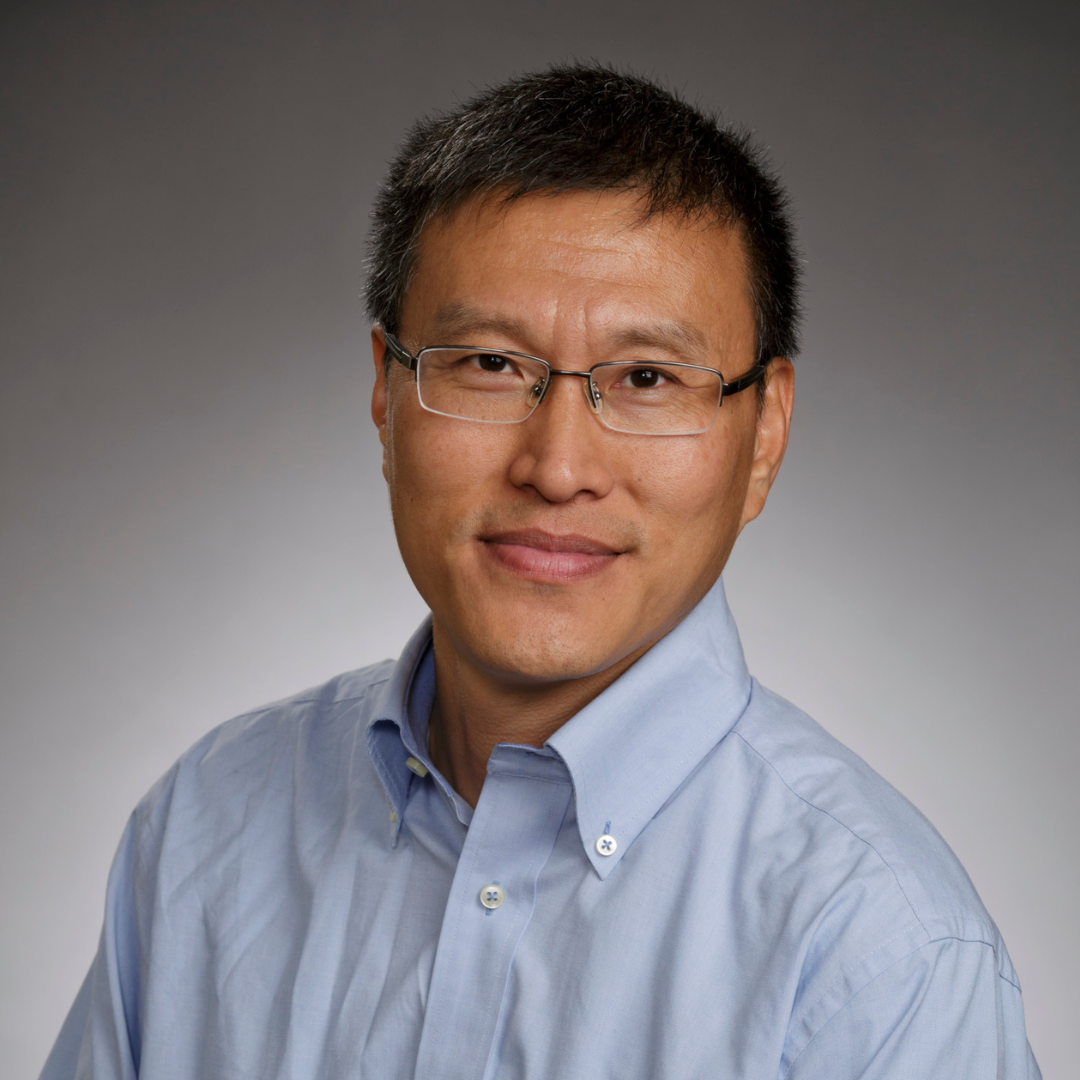
Lijun Qian, Ph.D., professor of Electrical Engineering
“This project will help jumpstart the research and education in this emerging area at PVAMU,” Dr. Qian explained. “We are very excited about the award, and we are looking forward to developing research capacity and providing educational opportunities for our students in this promising field.”
Additionally, as noted by PVAMU Vice President of Research and Innovation Magesh Rajan, Ph.D., P.E., MBA, “this research experience and mentorship of industry innovators will enable PVAMU students to acquire skills necessary to work in a multidisciplinary field focused on accelerating the discovery of solutions to some of the world’s most challenging problems.”
As stated in the research team’s proposal, “QML employs quantum computation concepts to bridge the computational and performance gaps in the conventional machine learning approach.” However, “this promise has not been fully realized primarily due to a missing link that effectively designs a neural network model suitable for quantum circuit implementation.”
A neural network is a method designed to teach computers to process data as a human brain would. The main goal of this grant project is “to explore the design and implementation of a novel quantum-aware complex-valued neural network (QACVNN) using a Multi-Layer Multi-Valued Network (MLMVN) to mitigate this gap.” The QACVNN will be tested for efficiency and performance in IBM Quantum hardware and Qiskit (IBM’s quantum computing service and programming model).
Graduate and undergraduate students will work closely with the PIs and IBM researchers throughout the project, and a new “Introduction to Quantum Machine Learning” course will be created and offered to students in the Roy G. Perry College of Engineering Five-Year BS/MS Program. Additionally, researchers from PVAMU and Dillard University will collaborate to design a quantum summer camp program for high school students, featuring talks and guidance on the project from IBM researchers.
###
By Leigh Badrigian