


PRAIRIE VIEW, Texas (September 23, 2025) — For Prairie View A&M University senior Malani Lein Clark, research has been more than an academic requirement — it has been a journey of discovery, confidence and purpose.
Clark, an agriculture major and participant of the Research and Innovation Success and Excellence (RISE) program, has spent the past three years studying the effect of climate-smart practices on soil CO₂ emissions from grain sorghum cropping systems. Under the mentorship of Ali Fares, Ph.D., she has explored how using biochar and animal waste as organic amendments can help reduce greenhouse gases while maintaining crop productivity.
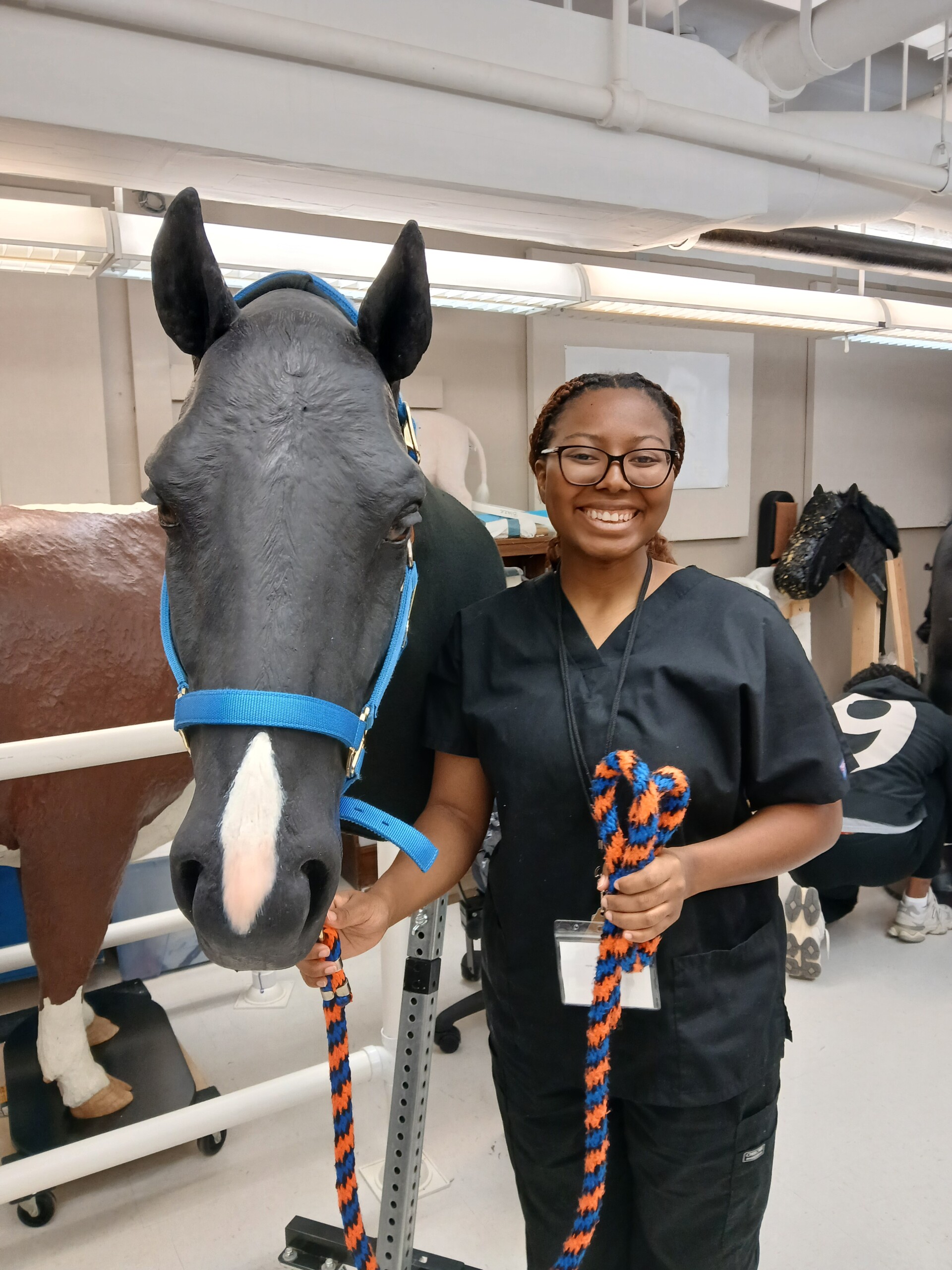
Her work has taken her beyond the classroom and into the field — literally. Collecting CO₂ samples, running computer analyses and mastering statistical coding have given her both technical expertise and a deeper respect for the environment.
“The highlight of my experience in the Faculty-RISE Program has been seeing the progressive nature of my research over the span of three years and being able to effectively describe its importance to experts and students at conferences,” Clark said. “It’s rewarding when people are interested in what I’m talking about, and I feel like it impacts how they view environmental issues.”
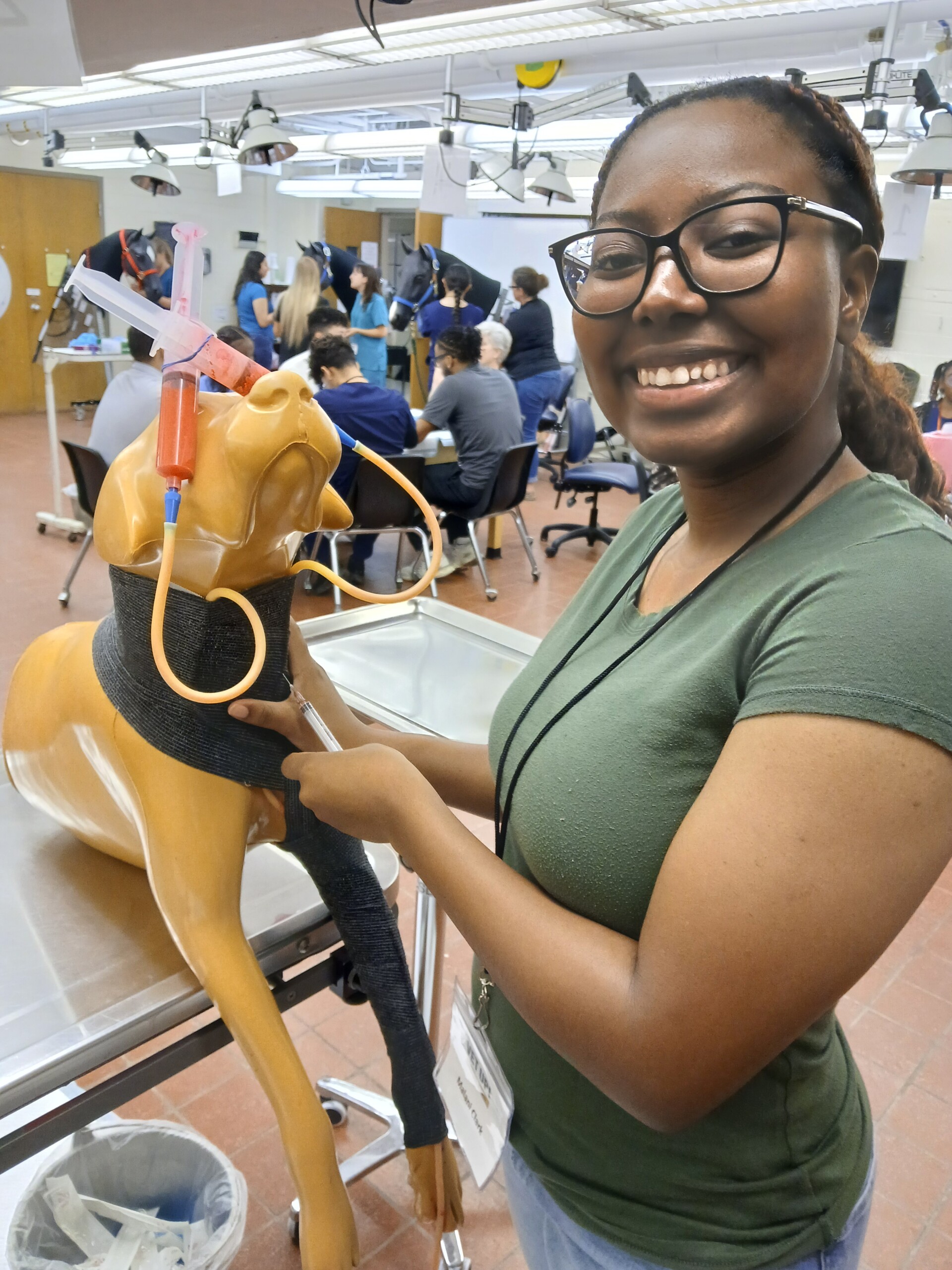 Clark has presented her findings at national conferences, including the Association of 1890 Research Directors (ARD) Conference in Nashville, Tennessee, and the Emerging Researchers National Conference (ERN) in Atlanta, Georgia. Those experiences, she said, helped her grow as a communicator and affirmed the relevance of her work.
“Malani has consistently demonstrated an exceptional research work ethic; she is curious, committed and detail oriented,” Fares said. “From her work on climate-smart practices and soil CO₂ emissions in grain sorghum systems to presenting at national and international conferences, she approached every task with professionalism and determination. Mentoring her has been a rewarding experience; I have watched her grow into a confident researcher whose dedication and passion for science will serve her well.”
While her research is rooted in environmental science, Clark sees it as a foundation for her future in veterinary medicine. She plans to attend Purdue Veterinary College in Fall 2026 to specialize in livestock animals, focusing on reproduction and nutrition. Her long-term goals include earning a master’s in public health and becoming a veterinary school professor.
“My research gave me a newfound respect for how we treat the environment,” Clark said. “Through RISE, I also gained a well-rounded foundation for pre-veterinary medicine because of my colleagues’ expertise in different areas of environmental science.”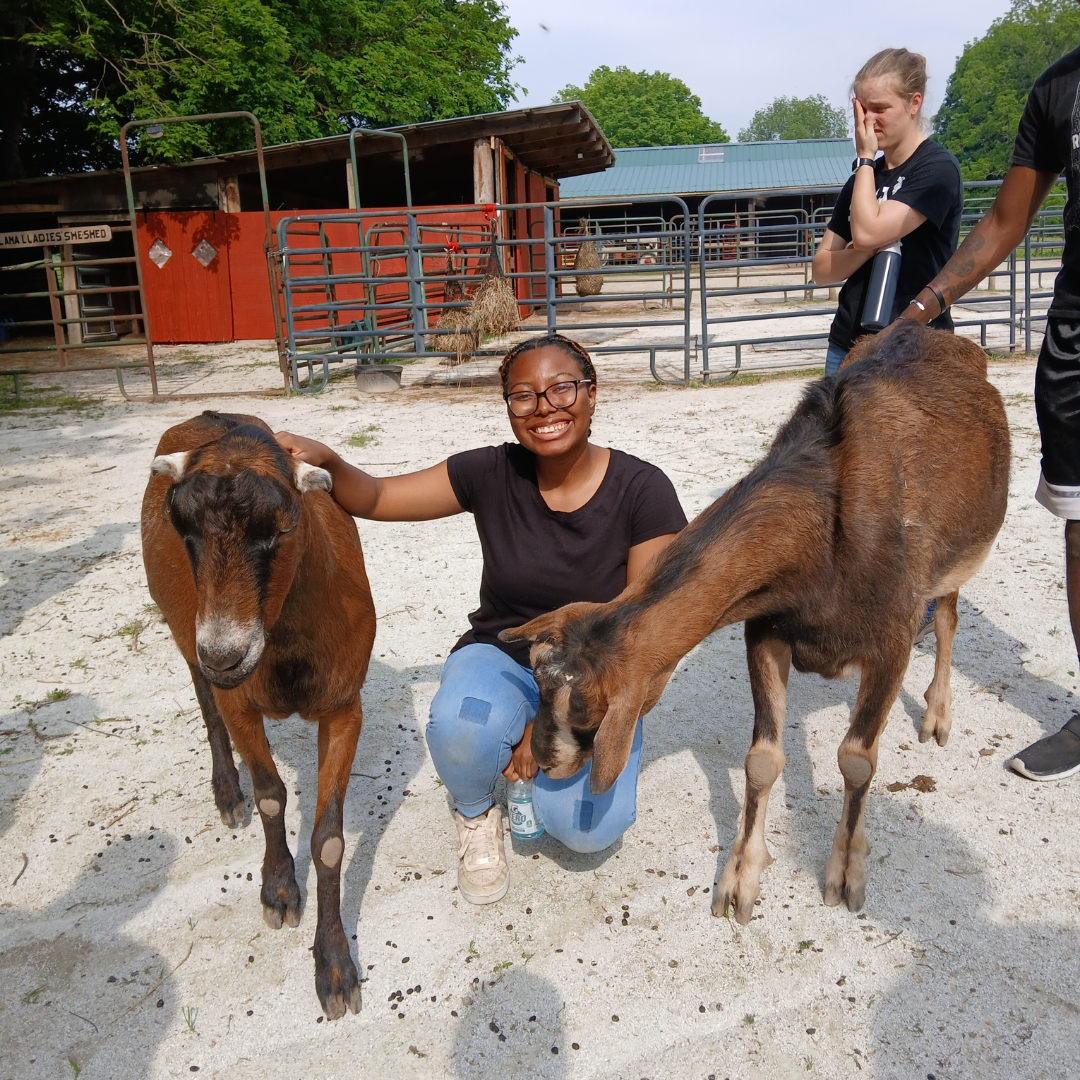
She points to the One Health perspective — the idea that human, animal and environmental health are interconnected — as a concept reinforced through both her research and her internship in Purdue’s Vet Up program.
Clark’s path illustrates how undergraduate research can bridge disciplines, sharpen career goals and prepare students for leadership in science and medicine. For her, RISE was not just a program — it was a proving ground.
The PVAMU Faculty-RISE Program, led by Vice President for Research and Innovation Magesh Rajan, Ph.D., P.E., empowers students through comprehensive research training, dedicated mentorship, and interdisciplinary collaboration. The program is designed to prepare the next generation of scientists and innovators to drive transformative discoveries and leadership both at PVAMU and in their future careers.
By Joe McGinty