

PRAIRIE VIEW, Texas (09/26/2026) – Prairie View A&M University continues to sharpen its role as a leader in artificial intelligence, a field built on the foundation of semiconductor technology.
 Under a new collaborative research initiative with Alabama A&M University (AAMU) and Central State University (CSU) in Ohio, Prairie View leads its partner institutions in ensuring that historically underrepresented communities are not left on the sidelines of the gold rush of semiconductors but at its forefront, ready to lead and shape its trajectory.
The initiative, Advancing Semiconductor Education through Expansion and Diversification (ASEED), seeks to close gaps in the nation’s semiconductor workforce. It will expand technological opportunities for historically underrepresented communities, ensuring they are not left behind as new opportunities tied to the CHIPS and Science Act emerge nationwide.
The project’s intellectual merit lies in its novel approach to forming a consortium of Historically Black College or Universities (HBCU)s working collaboratively to diversify the semiconductor workforce.
The three partnered institutions have each received industry funding to bolster their
teaching and research capabilities in semiconductor design and manufacturing, and will each contribute expertise in a distinct component of the chip manufacturing process.
More broadly, their collective findings gathered from these culturally aligned but geographically decentralized units will be organized into a centralized resource hub for easy adoption by peer HBCUs nationwide. The leading principal investigator, Suxia Cui, PhD, professor in the Electrical and Computer Engineer Department, led the development of the collaborative proposal, which received $1 million from the National Science Foundation.
“The project aims primarily to strengthen domestic semiconductor production while also offering significant opportunities for workforce development,” Dr. Cui said.
ASEED takes a comprehensive approach to workforce development, covering the full chip manufacturing pipeline. The initiative’s education and outreach activities include building collaboration partnerships across the three institutions and three states and providing opportunities for students to gain hands-on experience in semiconductor technology.
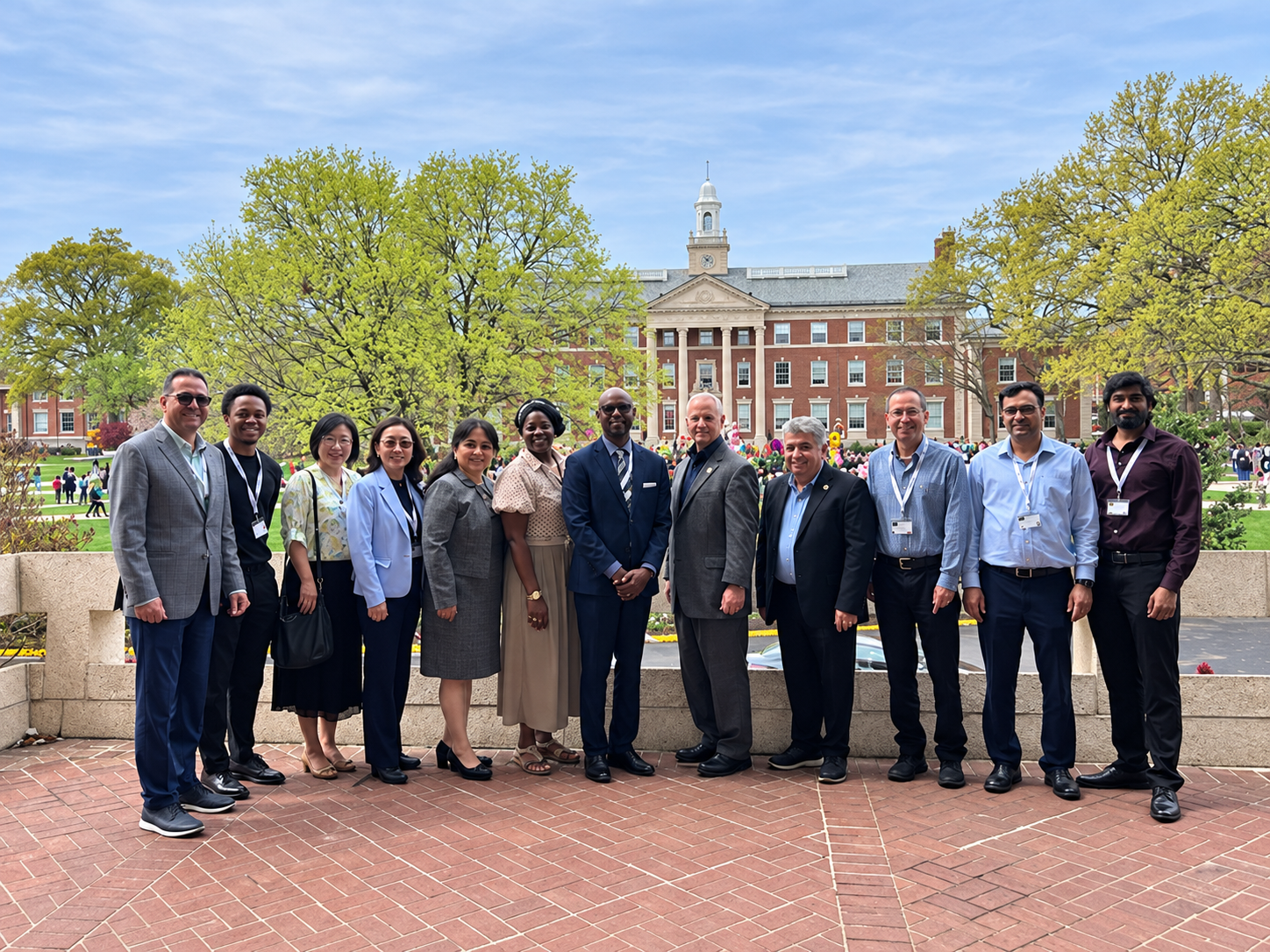
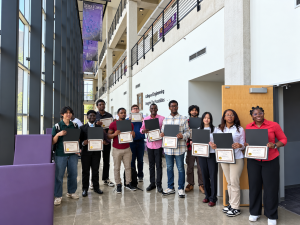
So far through ASEED, Prairie View Roy G. Perry College of Engineering hosted a summer internship in semiconductors and microelectronics for 13 internship scholars from June 1-July 24. PVAMU students and faculty also attended the inaugural 2025 HBCU CHIPS Network Conference at Howard University in Washington, D.C.
Beyond the classroom, ASEED’s larger impacts include advancing semiconductor education by disseminating project findings and fostering awareness and interest in semiconductors among students from underrepresented groups, as well as identifying best practices and pathways for research collaboration among minority-serving institutions.