
Research that supports the people educating the future generation
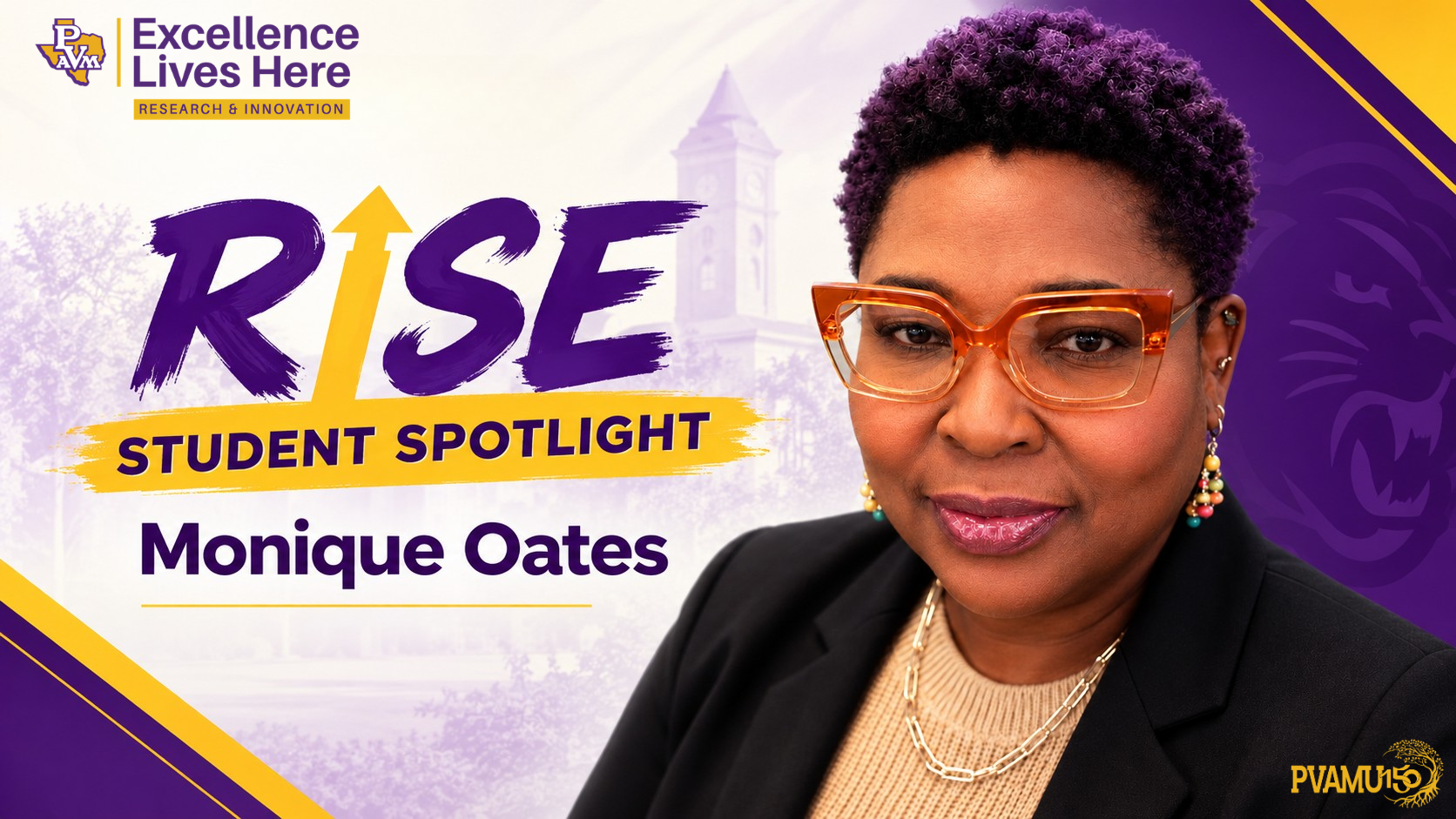
Prairie View PhD student and RISE Scholar examines educator well-being through social justice lens
PRAIRIE VIEW, Texas (October 19, 2026) – There is one question longtime educator Monique Oates keeps coming back to: Who takes care of the educator?
Now in her third year in the Prairie View A&M University’s College of Education PhD program in Educational Leadership, Oates is turning that question into a research agenda that examines whether institutions create the conditions educators need to flourish.
Her work sits at the intersection of educational leadership, institutional policy, and educator well-being, which she approaches as an issue of social justice.
“We speak gloriously about student success, academic performance, research and productivity,” Oates said. “These outcomes are important, but behind all these outcomes, we must not forget, there is an educator who is also a human being.”
Social Justice Lens
A RISE Scholar at Prairie View, Oates brings over two decades of experience in higher education in Jamaica.
Oates’ current study focuses on the professional well-being of higher educators in Jamaica. She is exploring their lived experiences and examining how institutional conditions — workload, leadership, organizational culture, access to resources, recognition, and a voice in decision-making — shape their ability to not just function but also flourish.
“Monique’s focus on educator well-being reflects the human purpose of research: asking questions that matter to the people our institutions serve,” said Dr. Magesh T. Rajan, vice president for Research & Innovation. “Through RISE, we support emerging scholars as they develop the knowledge and confidence to bring those questions forward.”
It’s a shift in the onus of expectation: 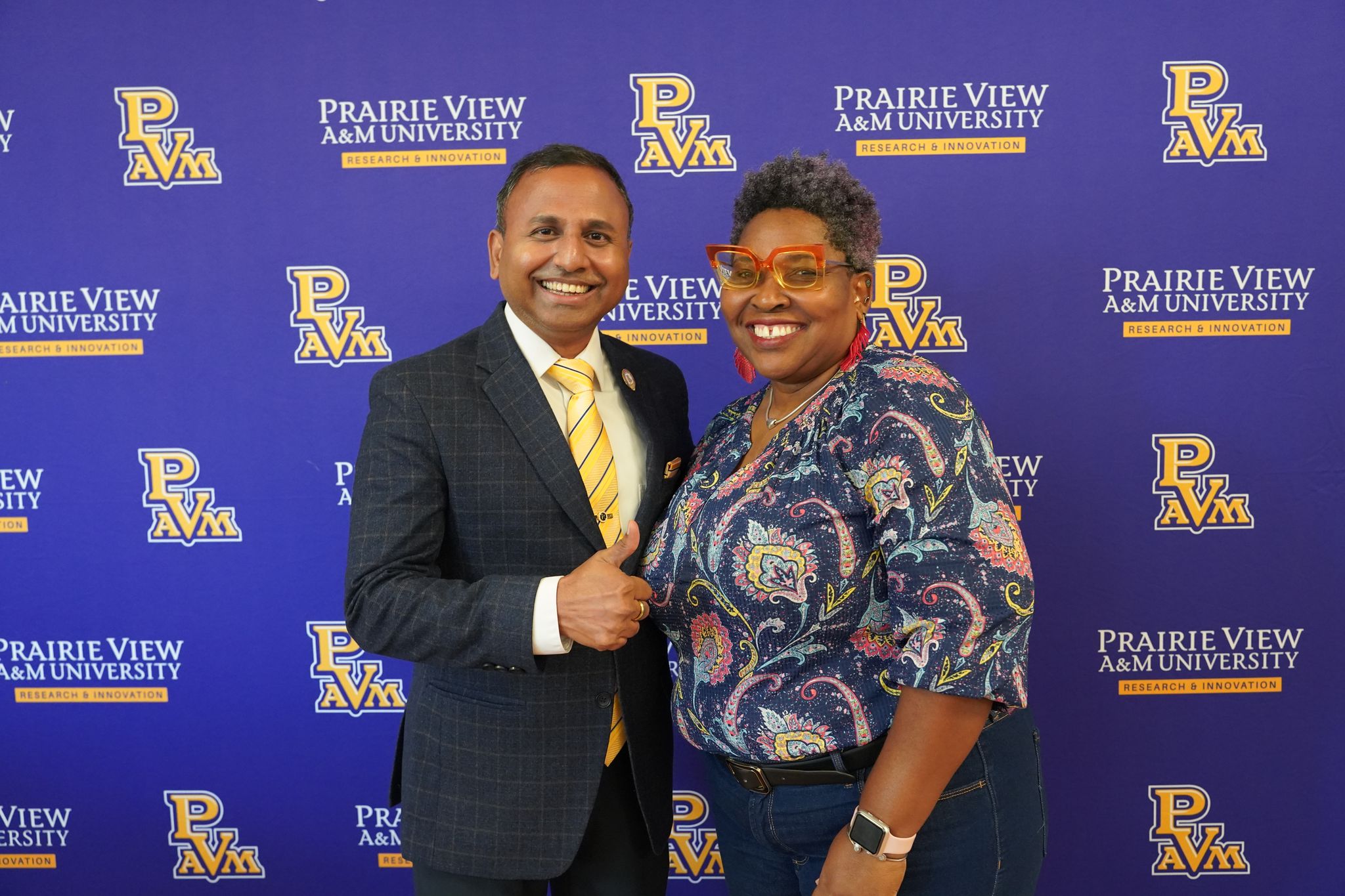 from the individual educator to the institution of higher education.
“Educator well-being isn’t only about telling our educators to practice self-care, when they are not given the resources or strategies to practice self-care, or to tell educators to become more resilient,” she said. “We must also examine the conditions within which they work and ask: ‘Are we creating the conditions that allow our educators to truly flourish?’”
Oates examines the issue through both an organizational and a social justice lens because, as she put it, “questions of well-being are also questions of resources, recognition, and voice.” Ultimately, she hopes her research will give institutions the evidence to develop policies and practices that create healthier, more equitable working environments.
She presented her pilot study, “Assessing Institutional Policy for Faculty Well-being in Jamaica’s Higher Education Systems,” at the 2026 PVAMU Research Day.
The most meaningful part of the research, Oates said, has been hearing educators describe their pressures, their challenges, and what keeps them committed to the profession.
“When you sit across from the educators and hear them describe their lived experiences … the issue becomes much more than an academic one,” she said.
Scholarly Voice
Oates calls the RISE Program an incredibly important part of her academic journey.
While financial support matters tremendously for a doctoral student, she said the program’s value extends to mentorship, research exposure, professional development, and a community of scholars.
“A doctoral journey can feel very individual and lonely, but with RISE you are a part of a larger diverse community,” she said. As an international student, Oates said that sense of belonging has been particularly meaningful, and RISE has helped her translate two decades of professional experience into a developing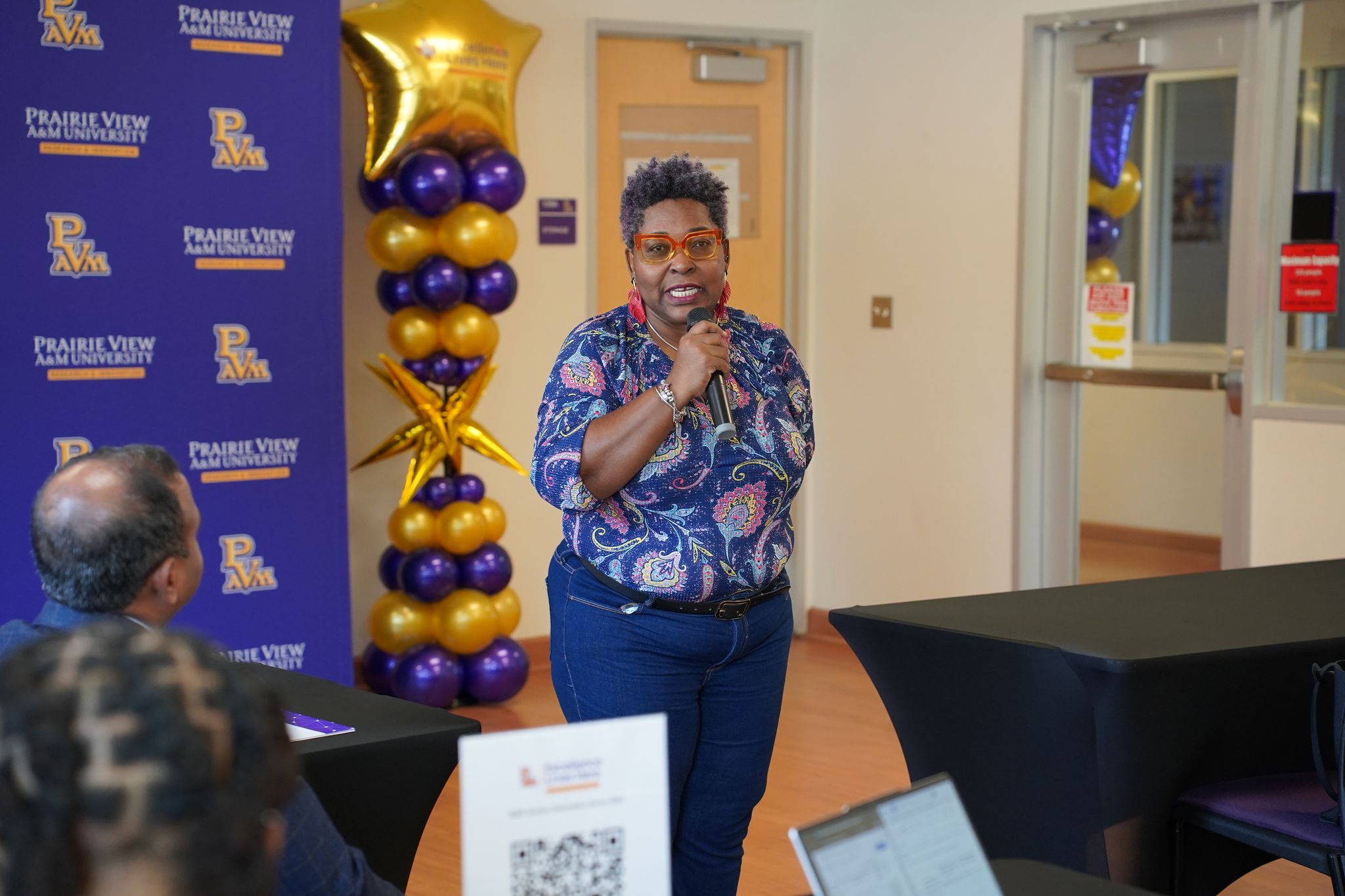 identity as a scholar and researcher.
Central to that growth is her doctoral mentor and graduate research professor through RISE, Dr. Andrea McDonald, who pushes Oates to interrogate her assumptions and defend the “why” behind her research choices — while exemplifying that rigor and humanity can coexist.
“She has consistently challenged me to achieve at a very high level while recognizing that I am ‘human,’” Oates said. “That is meaningful to me because my own research focuses on flourishing in academic environments, and Dr. McDonald has embodied and exemplified that throughout her mentorship.”
Her hard work is paying off. Oates published “Silence Is Not Harmony: The Hidden Cost of Unresolved Faculty Conflict” in EDULedger.
At the annual conference of the Research Association of Minority Professors (RAMP), she presented “Healing Through Writing: Investigating the Role of Journaling in Emotional Well-being During the COVID-19 Pandemic” in 2025 and “Rebranding a Rural Campus: A Descriptive Case Study in Strategic Higher Education Marketing and Brand Renewal” in 2026, winning first place in the doctoral student research competition both years.
She now serves as RAMP’s inaugural student board member.
Most recently, she brought the conversation about educator well-being to Jamaican national TV.
“It reminded me that research does not have to remain within the university or behind a journal paywall,” she said. “Research, through various media, can reach communities, stimulate conversations, inform practice, and hopefully influence change.”
There are more publications in the works, including two journal articles and three accepted book chapters expected to be published in early 2027.
Still, Oates said her proudest accomplishment is not the list itself: “It is realizing that I am developing a scholarly voice, and that voice is beginning to reach audiences beyond me.”
Rising Future
After graduation, Oates plans to build a career that integrates research, teaching, leadership, and advocacy, working with institutions in the U.S., Jamaica, and the wider Caribbean to translate research into policies and practices that support educators. She credits PVAMU with strengthening her ability to conduct rigorous research, publish her work, and communicate it to audiences inside and outside academia.
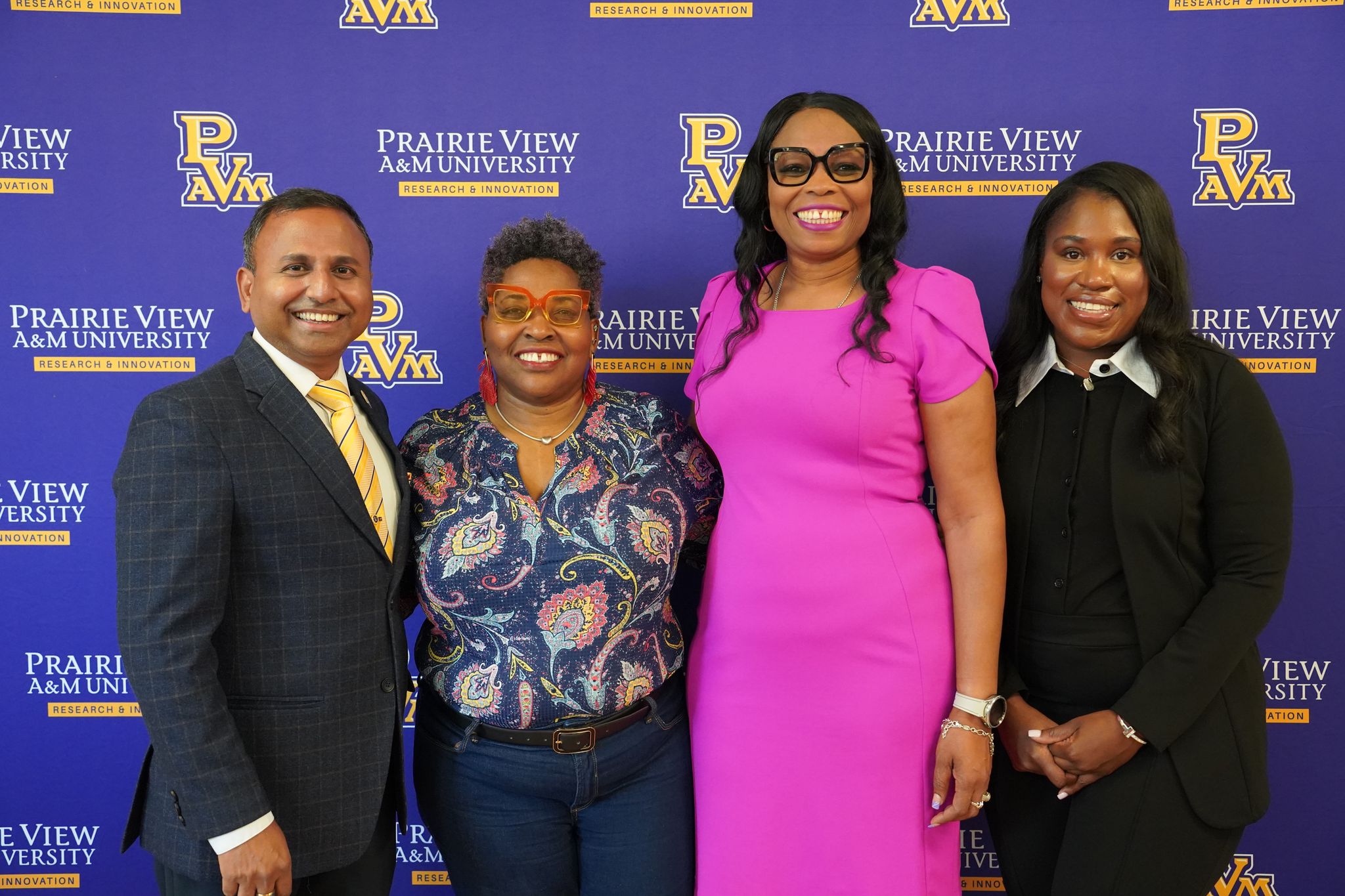 “For me, scholarship has its greatest value when the knowledge we produce can help address real problems affecting real people,” she said.
For students interested in research, her advice is to start with something you genuinely care about, find good mentors, and welcome constructive feedback.
“Don’t wait until you feel like an expert before you begin,” she said. “Research is one of the ways you can become an expert.”
Her journey reflects the hands-on research experience and mentorship PVAMU offers its students — preparing scholars like Oates to carry their work into classrooms, communities, and policy conversations with real-world impact.
So to her, RISE is more than the name of an influential program.
“It describes what has been happening to me throughout this journey,” Oates said. “I am rising in knowledge, rising in confidence, rising in scholarship, and rising into the researcher and scholar that I am becoming.”
By Christine Won