

About Family and Community Health
Chronic diseases continue to have a major impact on the health and well-being of individuals and families across Texas, contributing to rising healthcare costs and ongoing health challenges. Conditions such as heart disease, cancer, stroke, chronic respiratory diseases, and diabetes affect millions of Texans, with many individuals managing multiple conditions at once.
At PVAMU Extension, we recognize that improving health outcomes requires a comprehensive, community-centered approach. Supporting family and community health means addressing underlying factors, increasing access to education, and working to reduce health disparities.
Our Family and Community Health (FCH) unit is dedicated to equipping individuals and families with the knowledge and tools they need to make informed, healthy choices. This work is supported by a network of subject matter experts, known as Specialists and Extension Agents.
Together, we are building healthier communities—one family at a time.

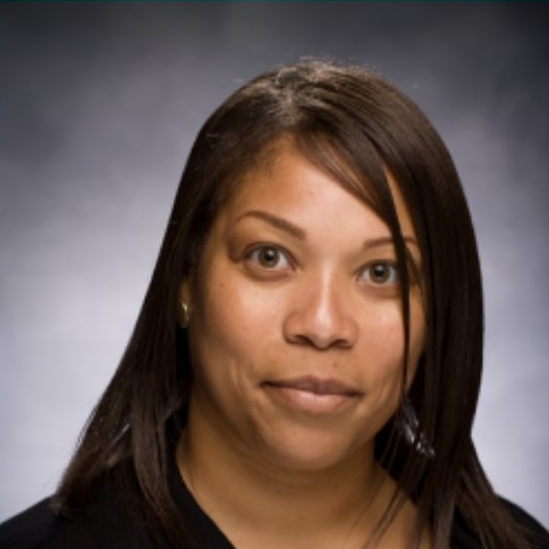
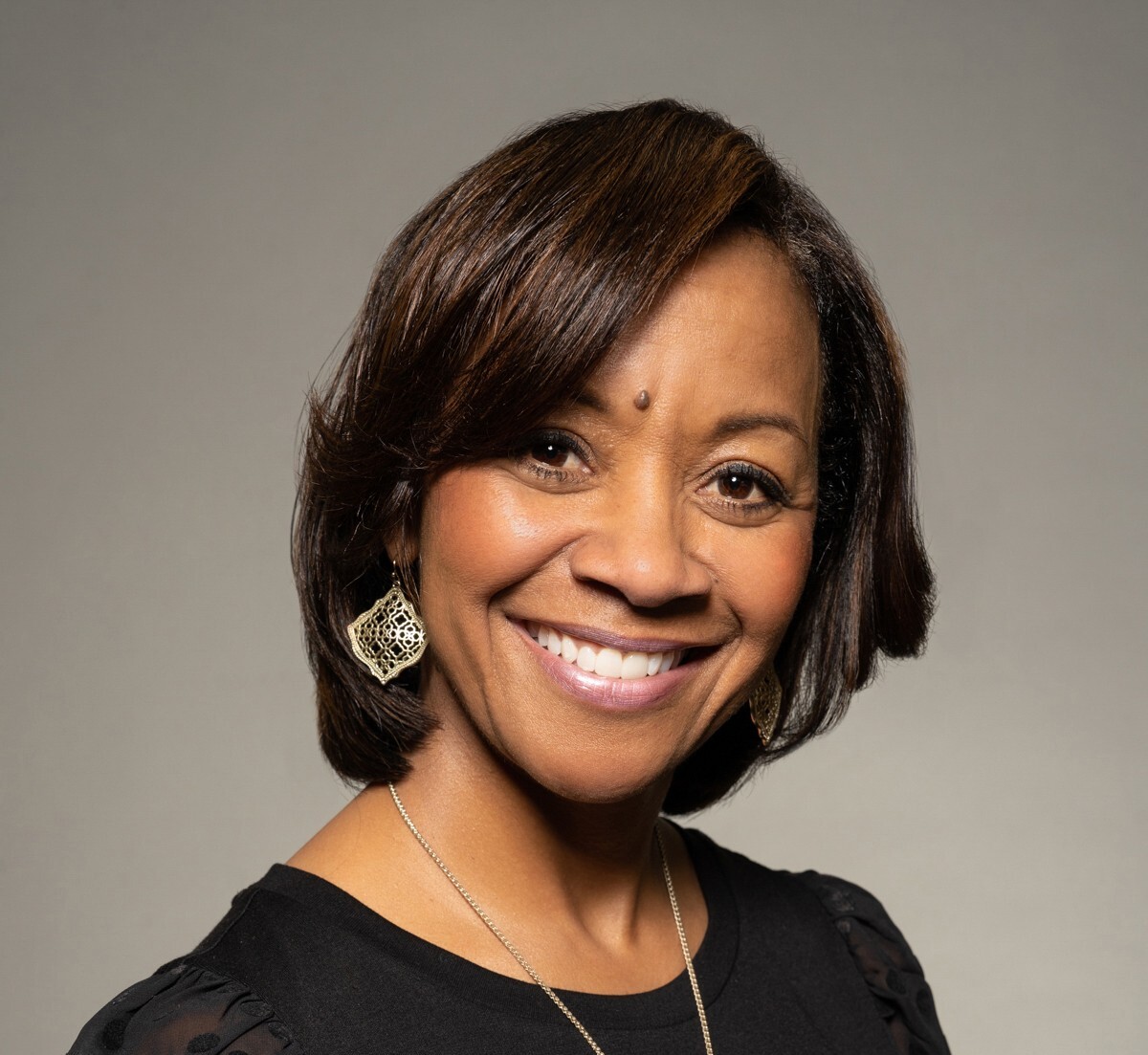
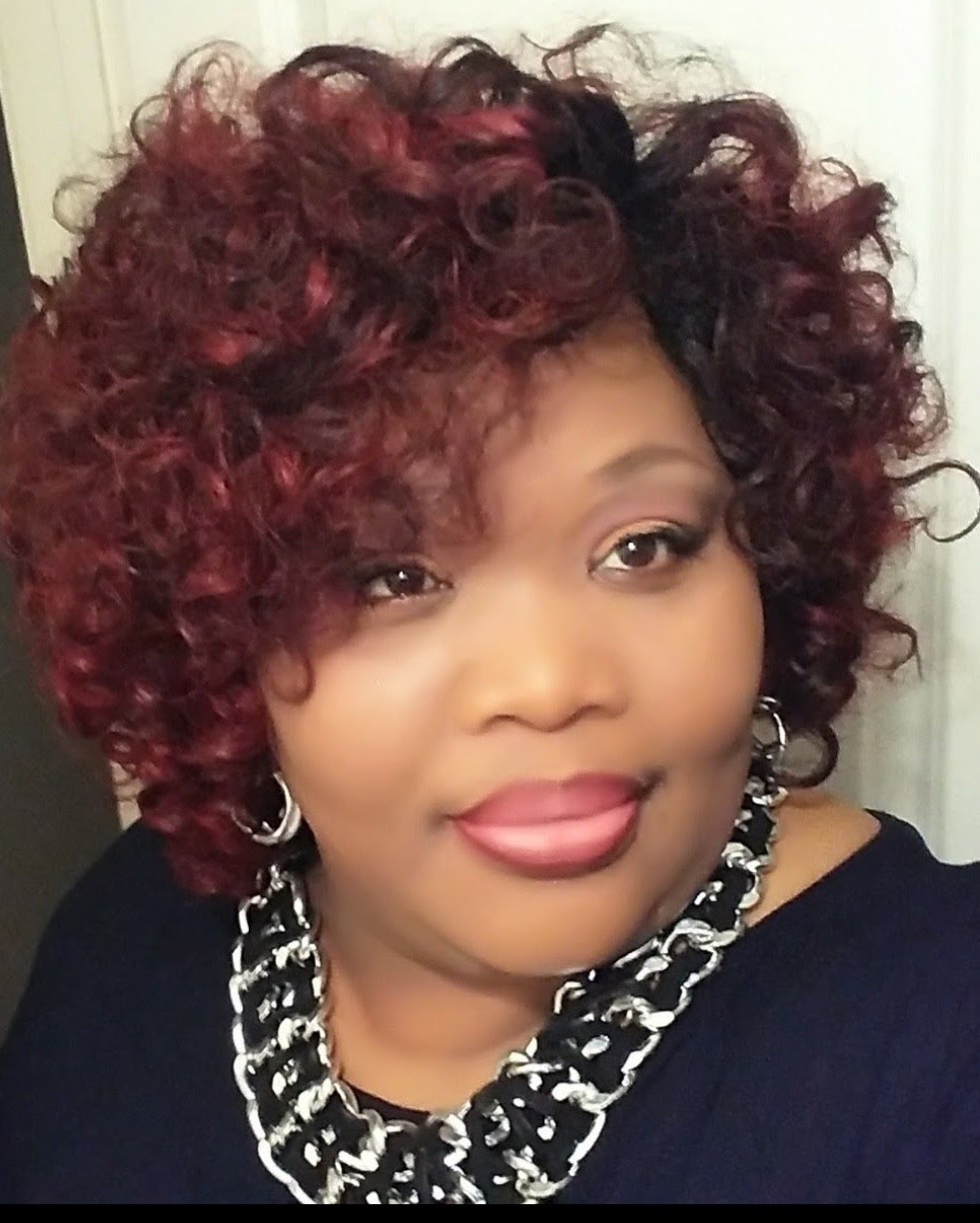
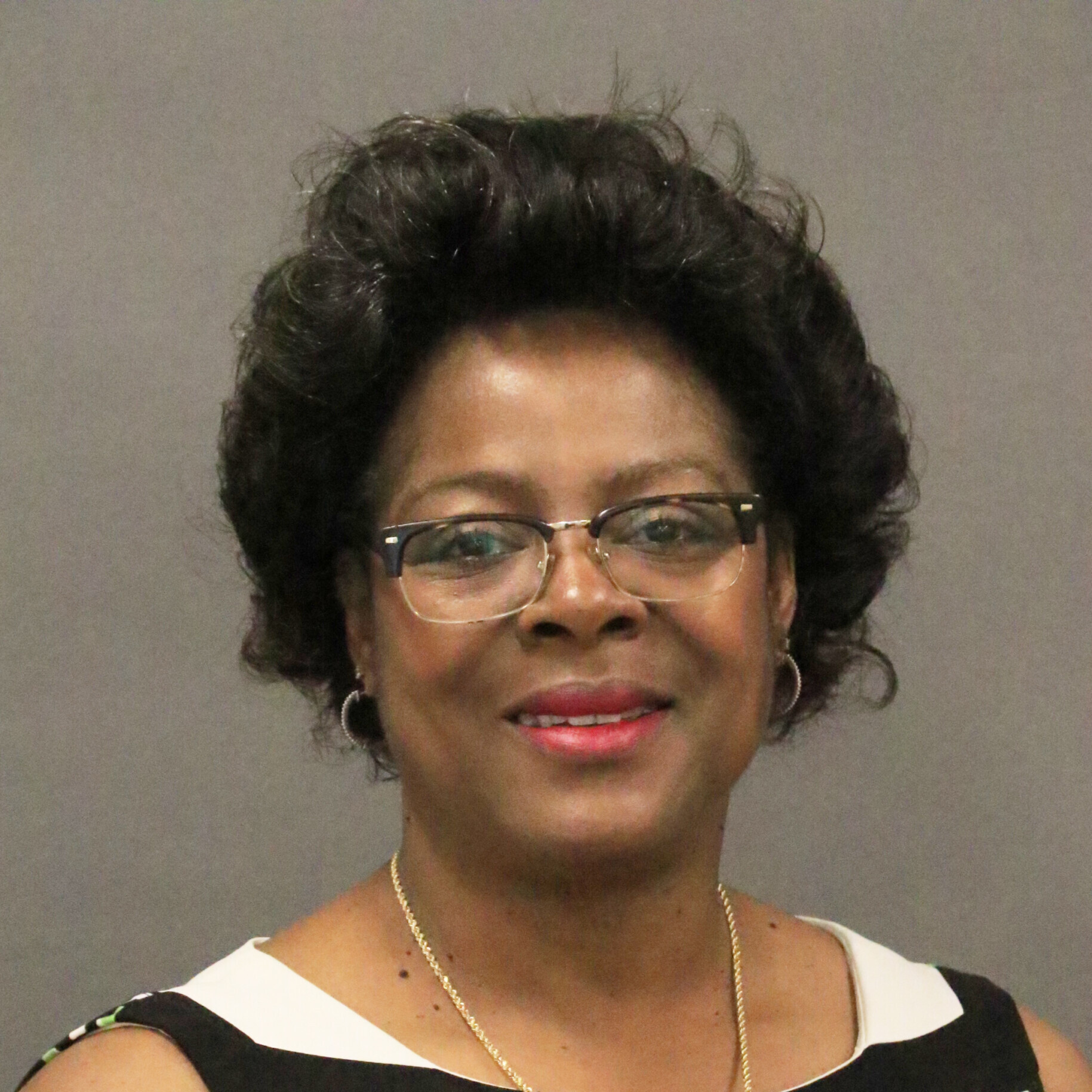
Jacquelyn M. White, Ed.D
Program Leader
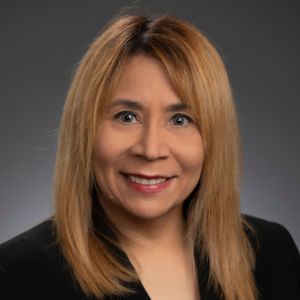
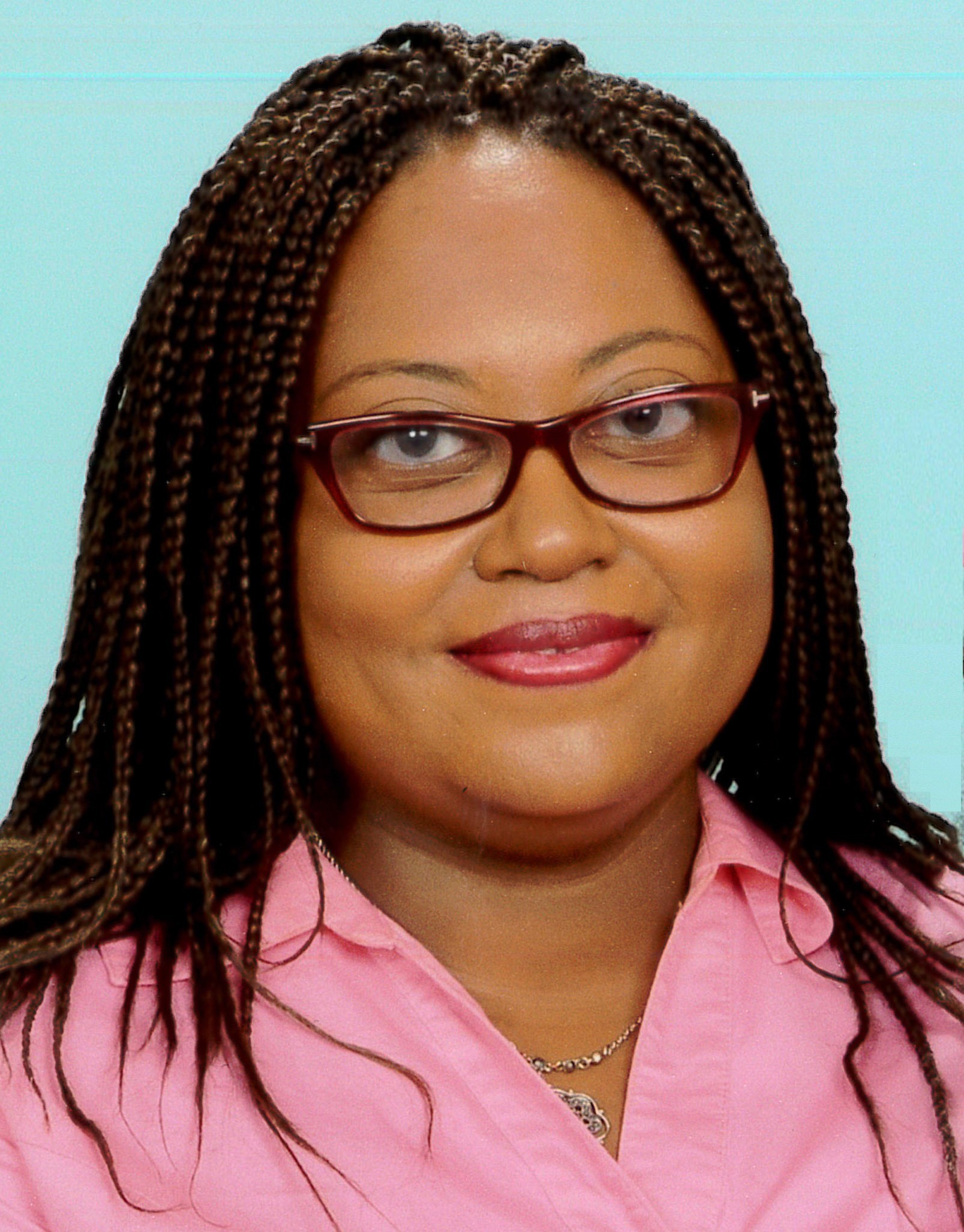
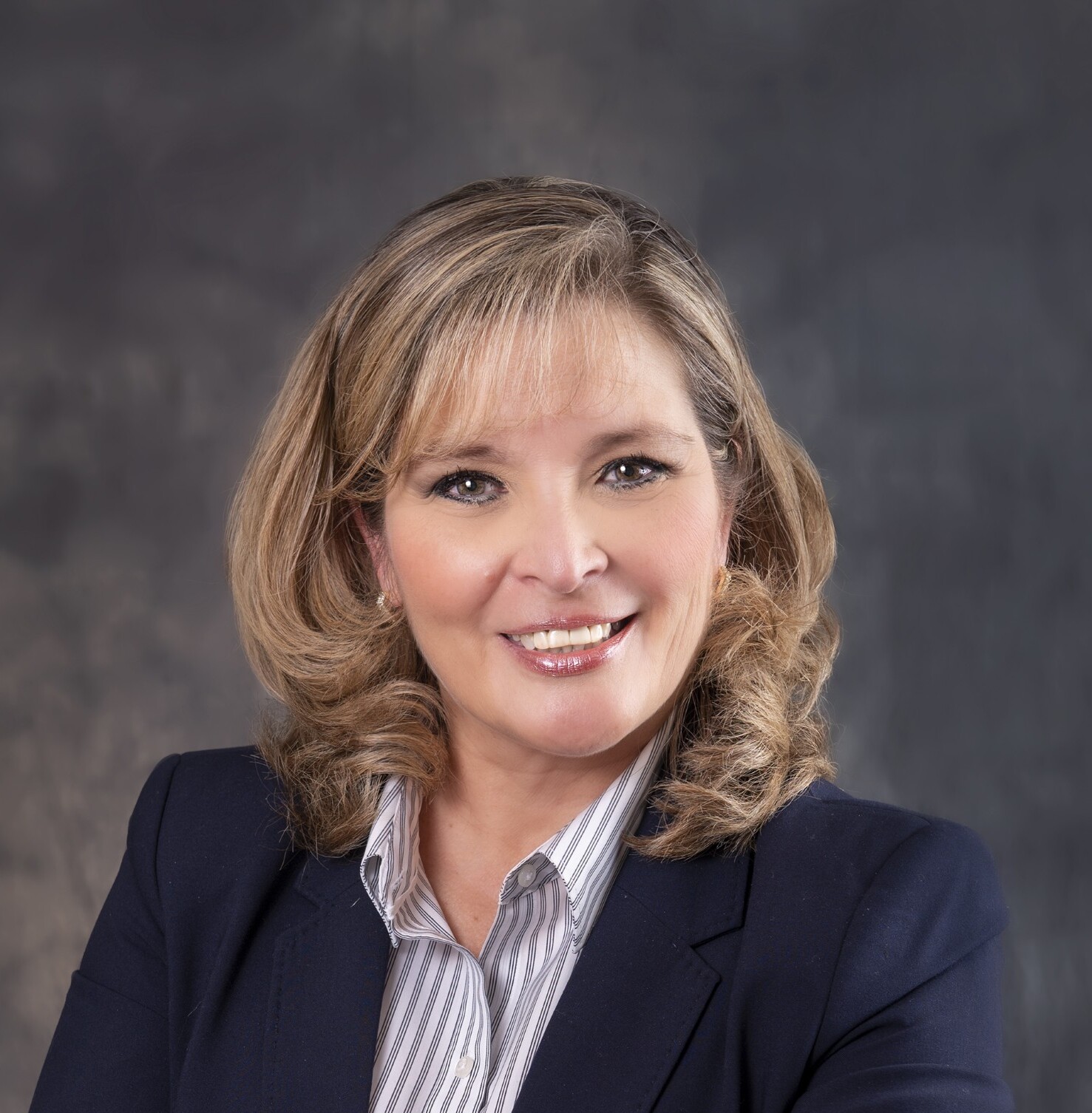
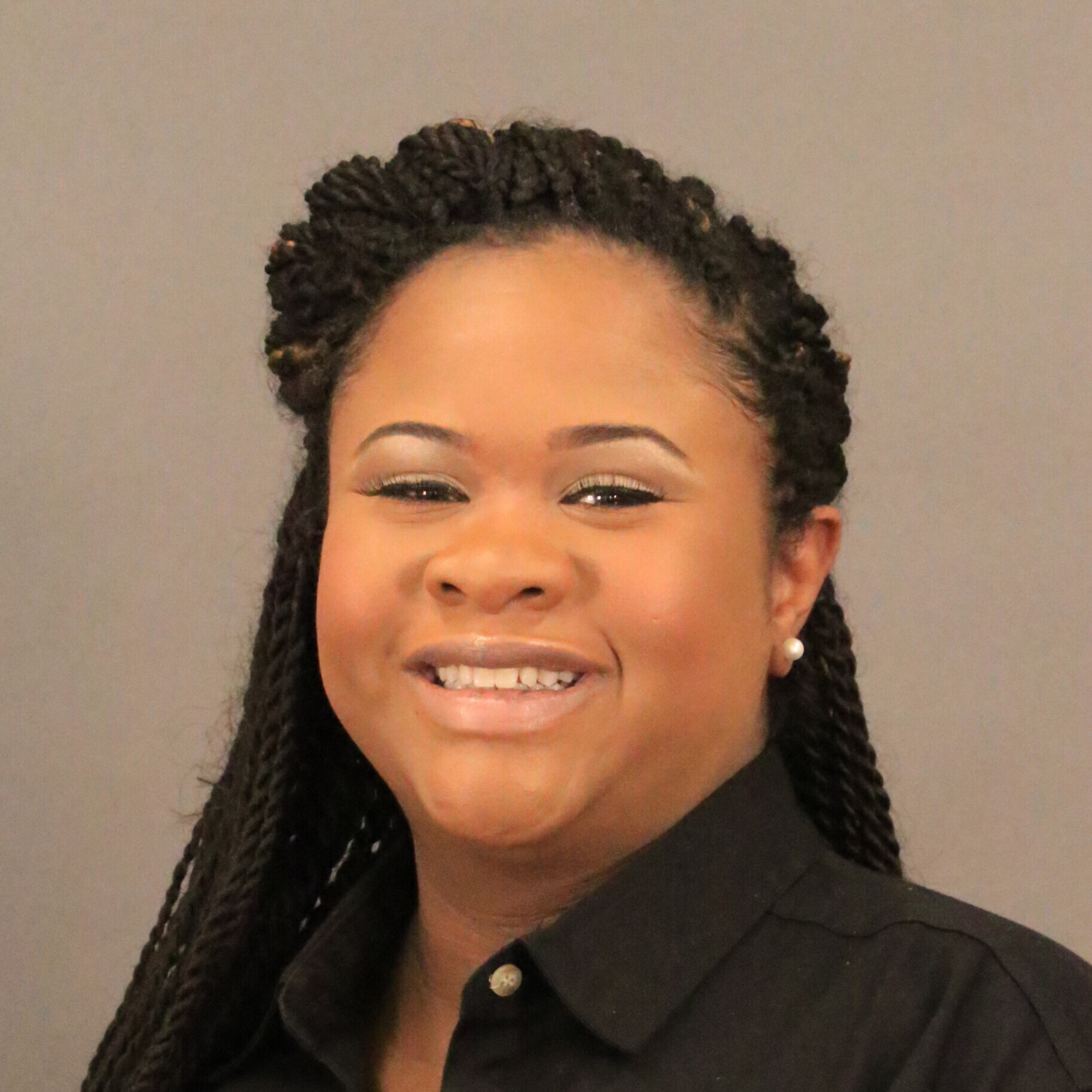
Jennifer Garza, DHA
Assistant Program Leader
Our Impact in 2025
Program Highlights
The Family and Community Health component of PVAMU Extension recognizes that strong families are important to a prosperous and productive society. The family is the major provider of joy, security, values and goals. The Extension staff work to plan and deliver research-based family focused programs in health and well being, parenting, life skills and nutrition to clientele, but, not excluding other audiences, that will serve as a catalyst to improve the quality of living.
2025 Mental Well-Being Conference – Breaking the Silence: Empowering Voices for Mental Well-Being Awareness
- The 2025 Mental Well-Being Conference provided space for meaningful discussions and insight sharing while promoting a deeper understanding of mental well-being issues.
What We Offer
Resources
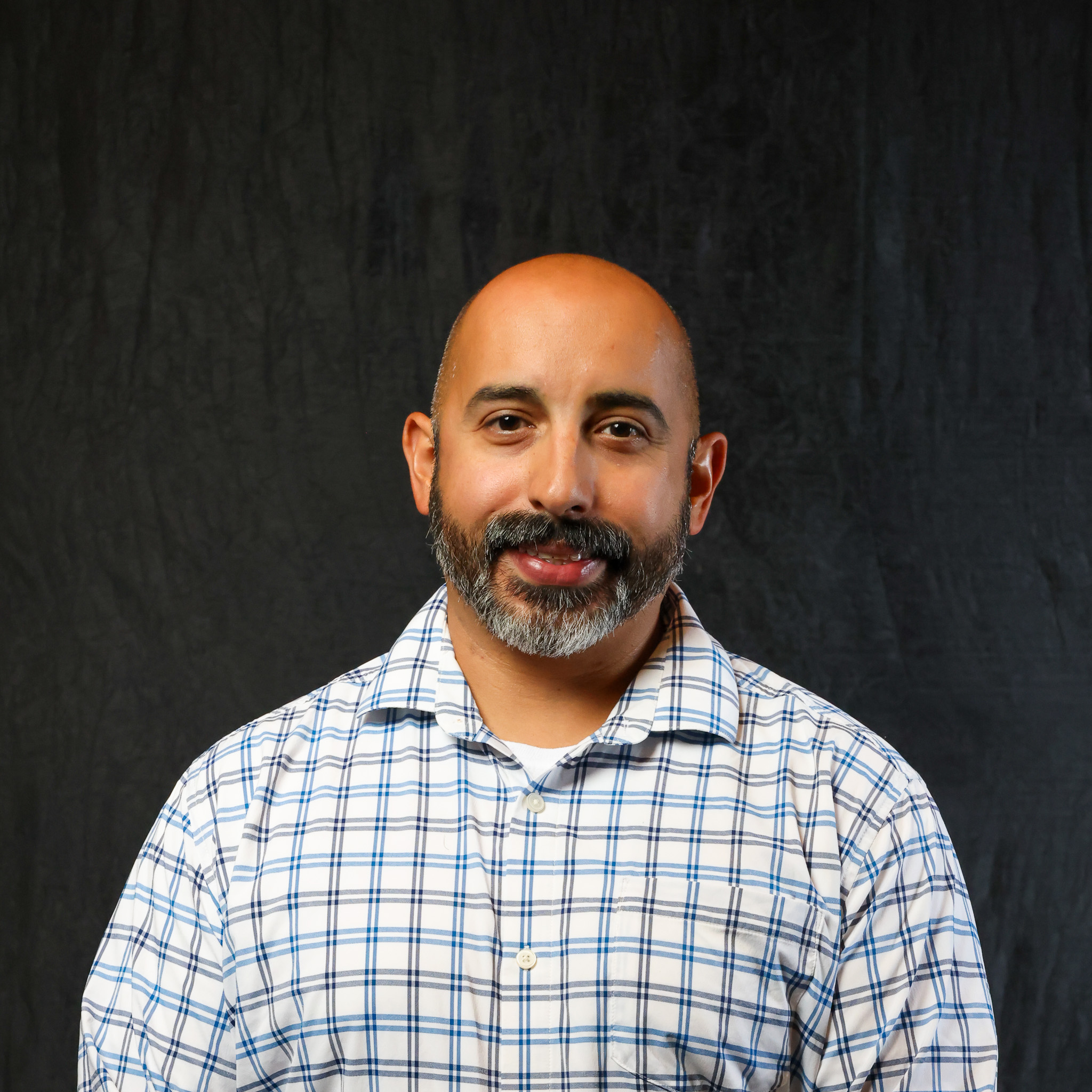
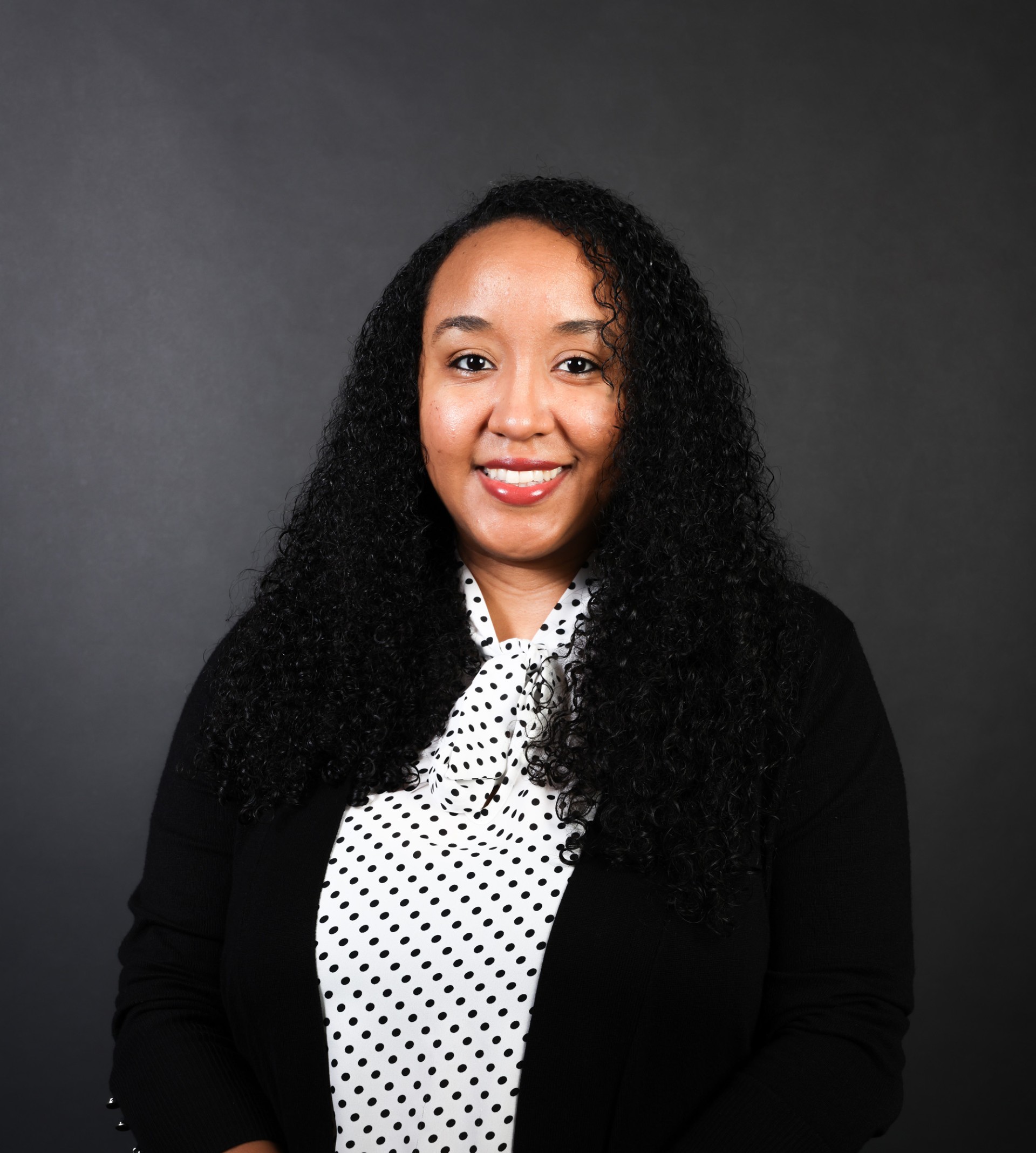
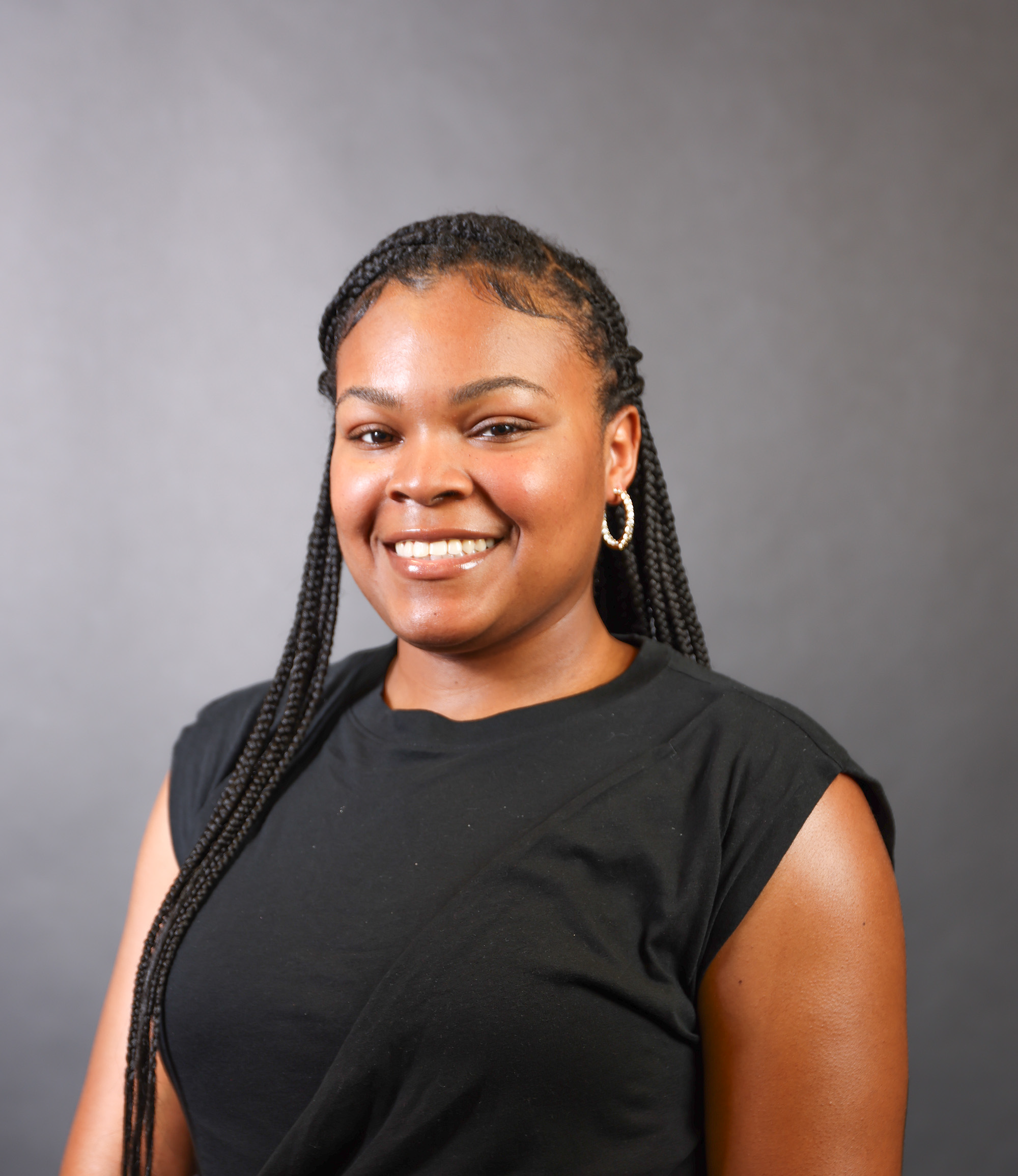
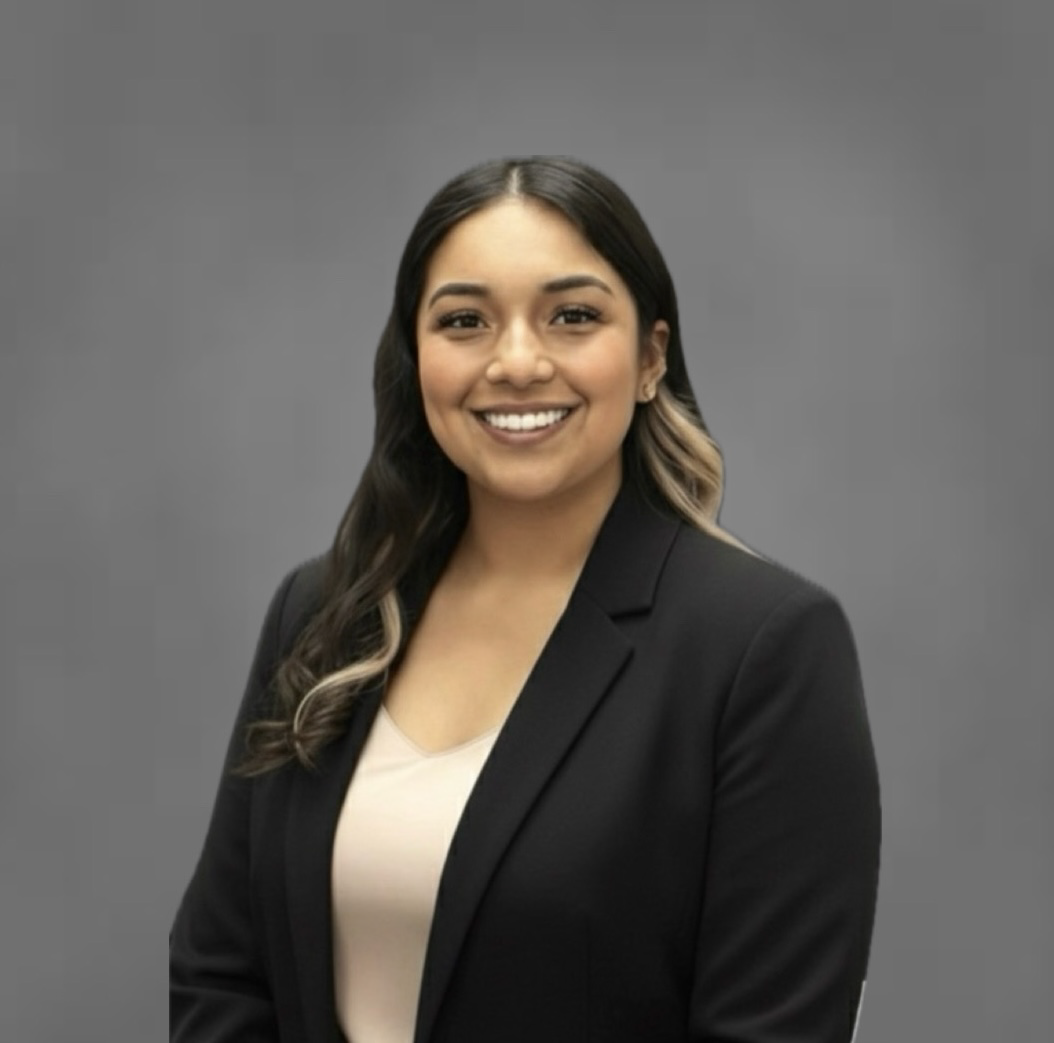
Meet Our Staff
Headquarters




College of Nursing
Extension Agents
In the County (FCH)
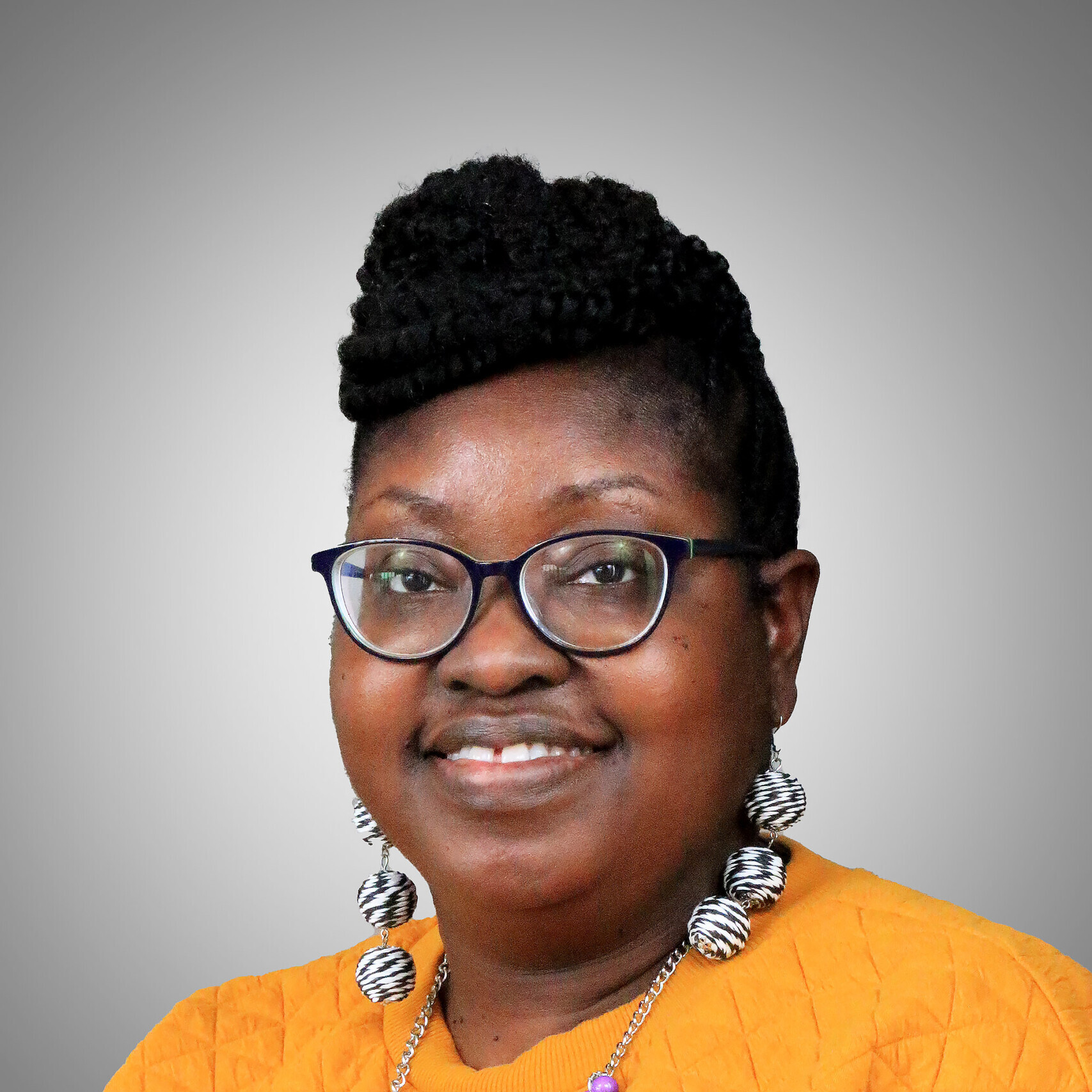
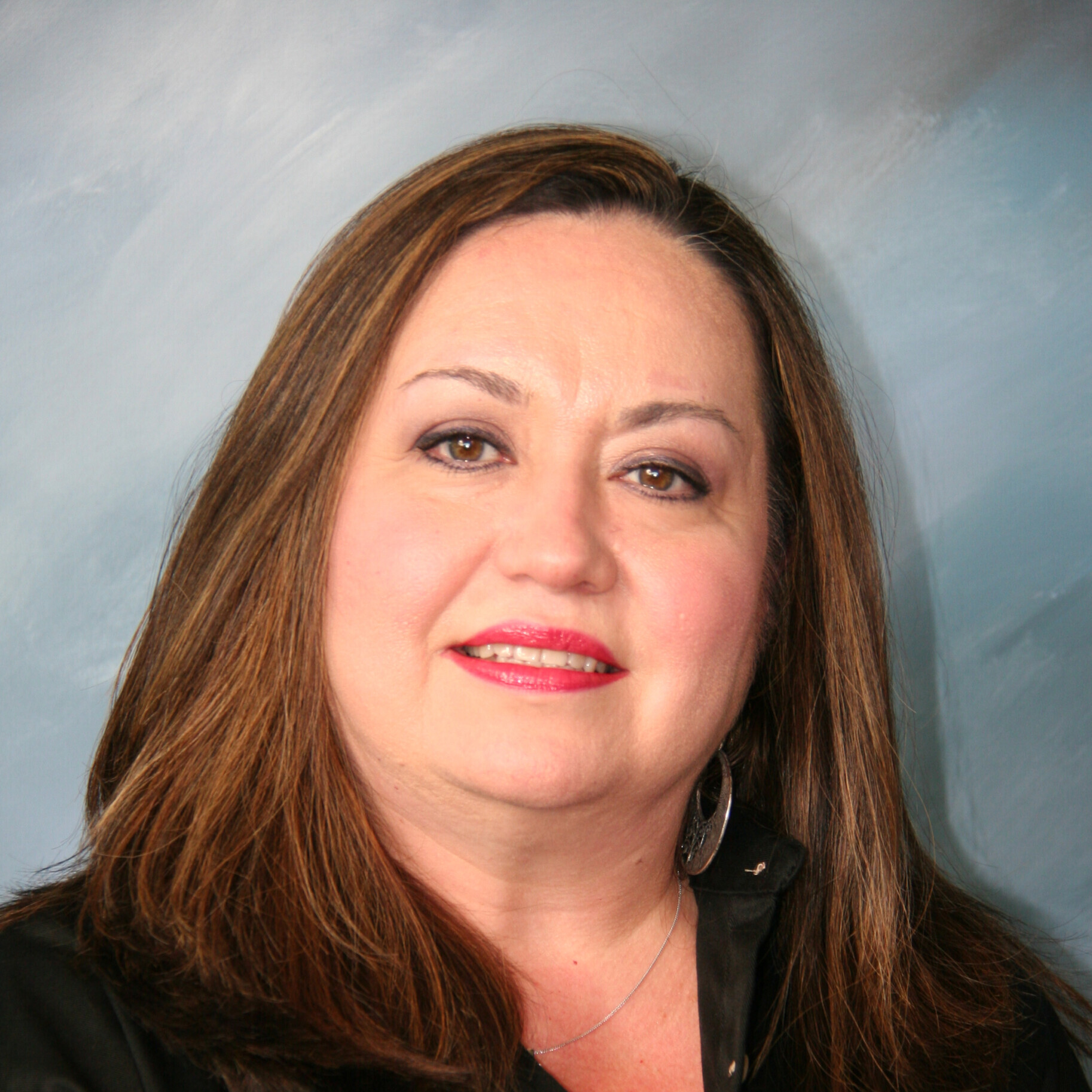
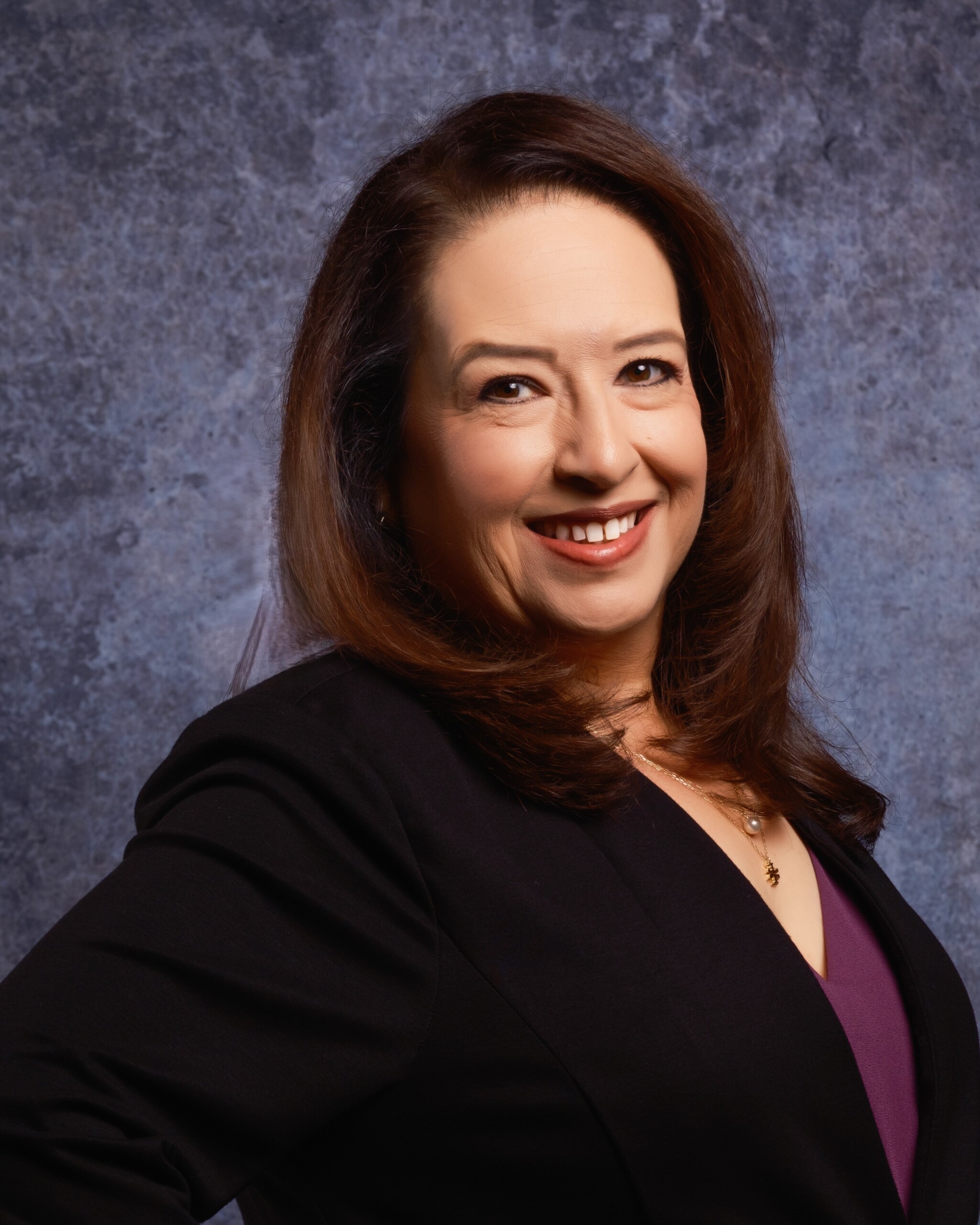





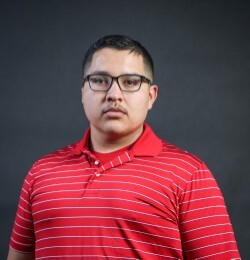
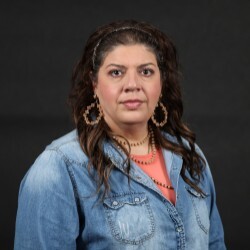




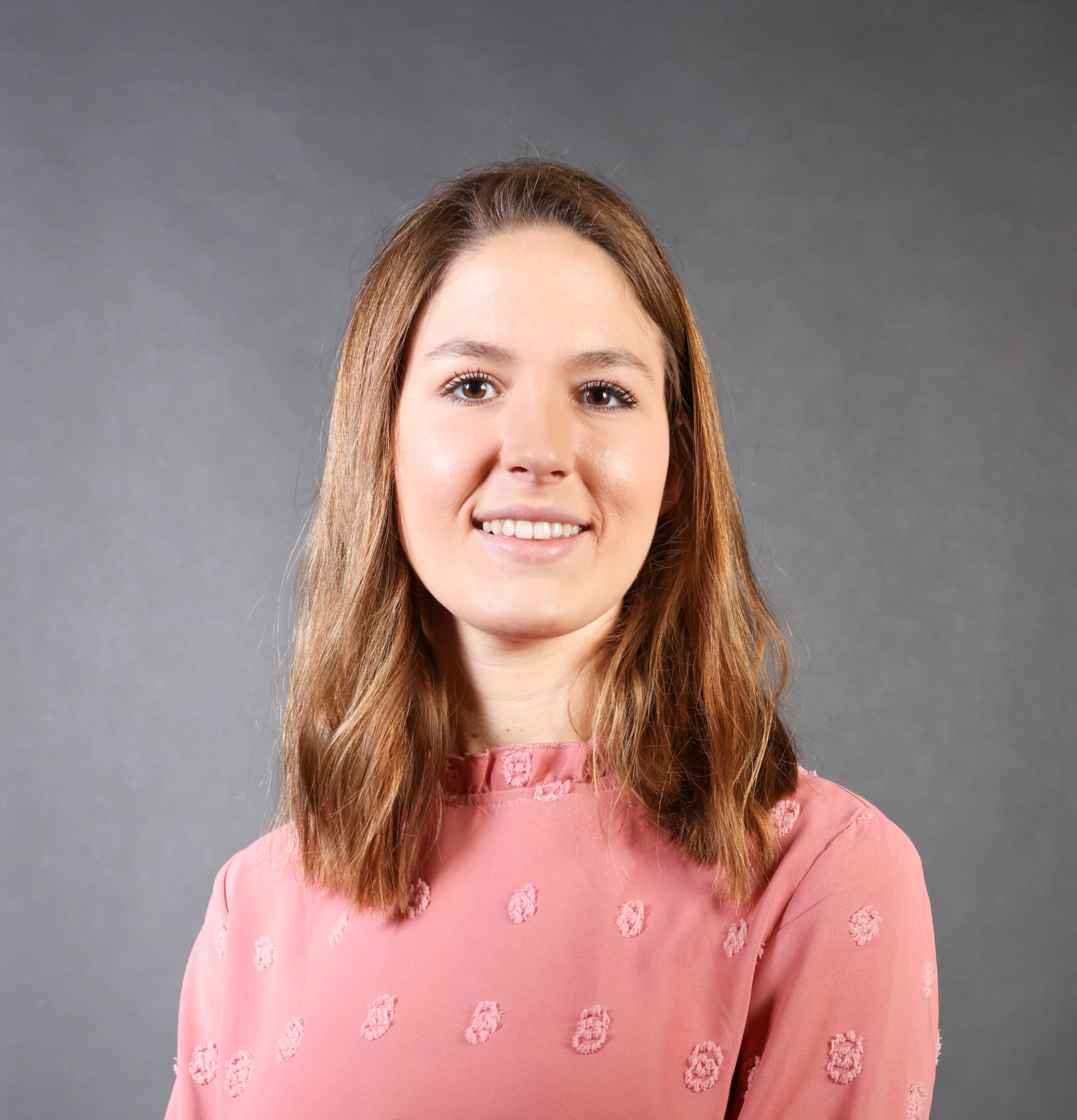
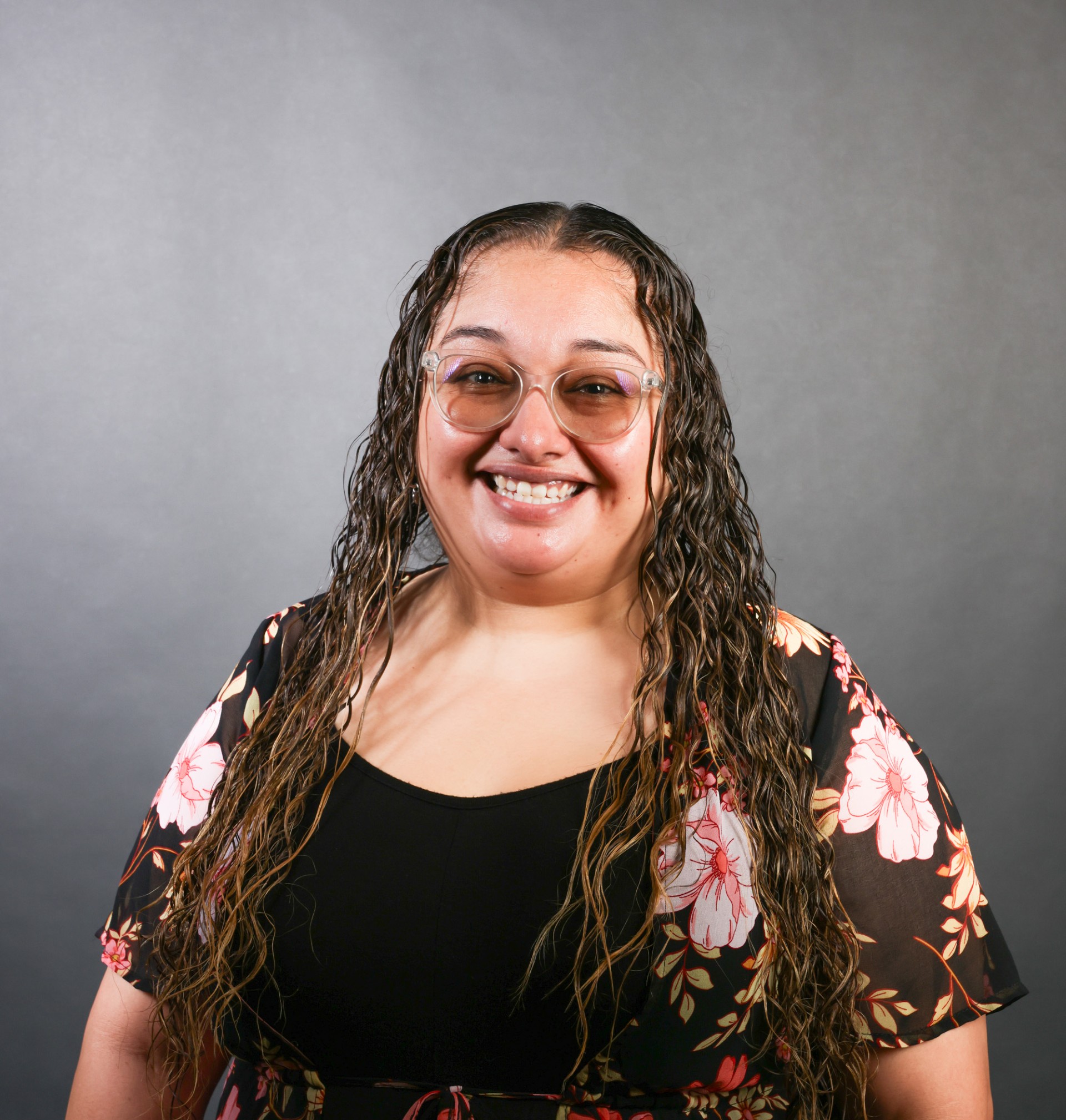
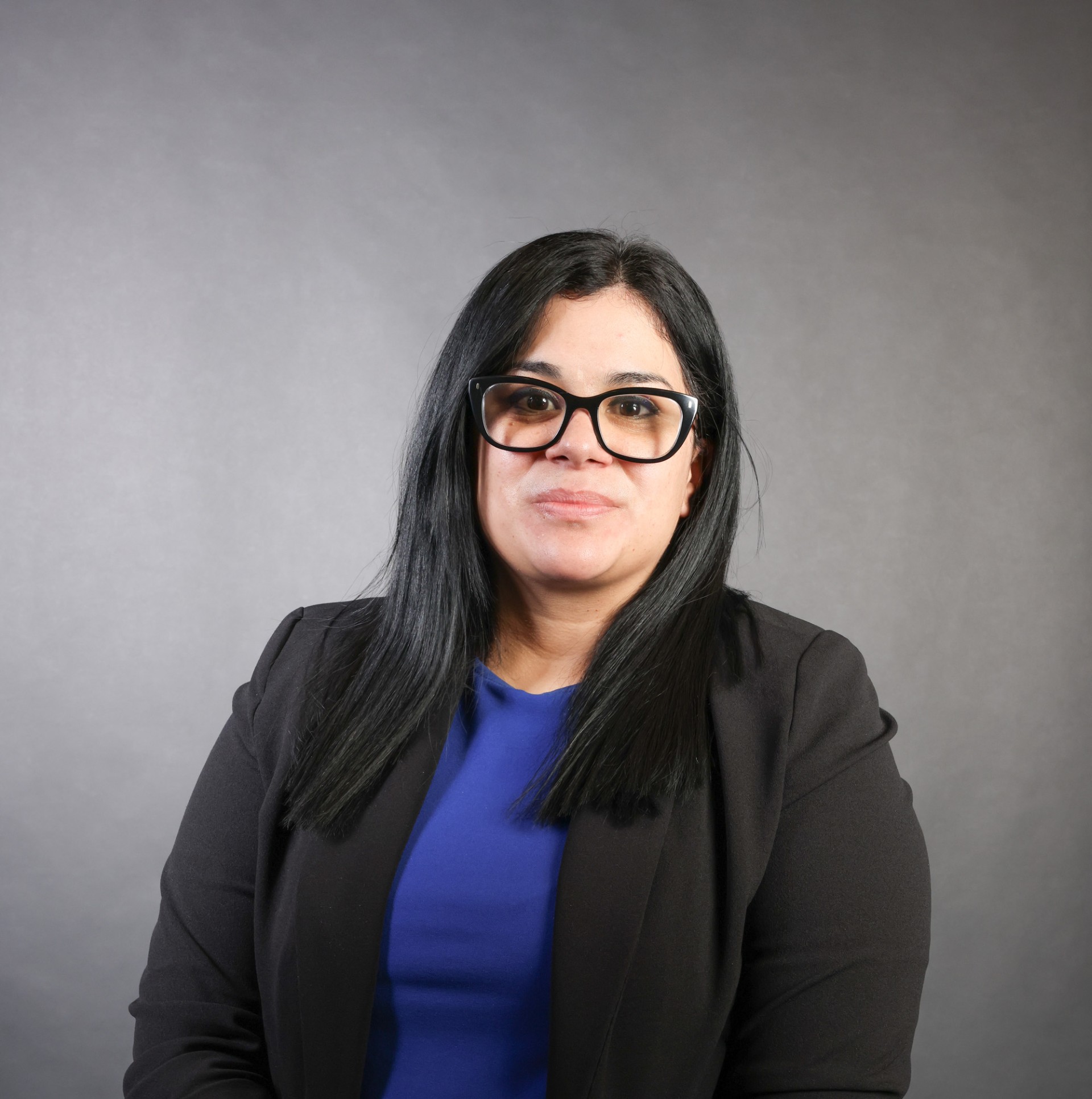

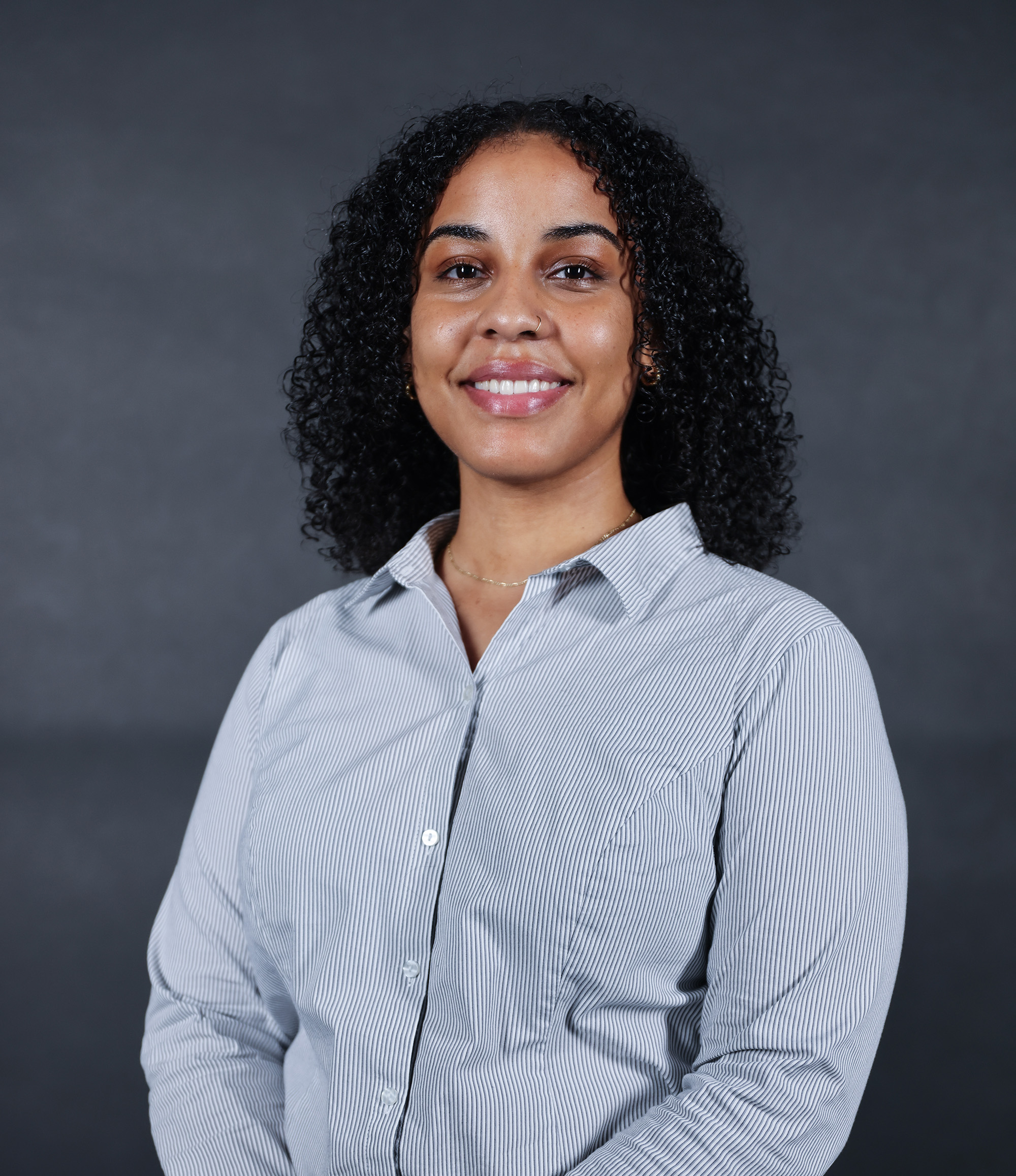
Expanded Food and Nutrition Education Program (EFNEP)


In accordance with Federal civil rights law and U.S. Department of Agriculture (USDA) civil rights regulations and policies, the USDA, its Agencies, offices, and employees, and institutions participating in or administering USDA programs are prohibited from discriminating based on race, color, national origin, religion, sex, disability, age, marital status, family/parental status, income derived from a public assistance program, political beliefs, or reprisal or retaliation for prior civil rights activity, in any program or activity conducted or funded by USDA (not all bases apply to all programs). Remedies and complaint filing deadlines vary by program or incident.
Persons with disabilities who require alternative means of communication for program information (e.g., Braille, large print, audiotape, American Sign Language, etc.) should contact jmwhite@pvamu.edu by email, call 936-261-5132, or contact USDA through the Telecommunications Relay Service at 711 (voice and TTY). Additionally, program information may be made available in languages other than English.
To file a program discrimination complaint, contact Ms. Toya Douglas, M.B.A., Director of Equal Opportunity & HR Compliance, P.O. Box 519, Mail Stop 1337, Prairie View, TX 77446-0519, 936-261-1792; complete the USDA Program Discrimination Complaint Form, AD-3027, found online at How to File a Program Discrimination Complaint and at any USDA office; or write a letter addressed to USDA and provide in the letter all of the information requested in the form. To request a copy of the complaint form, call (866) 632-9992. Submit your completed form or letter to USDA by: (1) mail: U.S. Department of Agriculture, Office of the Assistant Secretary for Civil Rights, 1400 Independence Avenue, SW, Mail Stop 9410, Washington, D.C. 20250-9410; (2) fax: (202) 690-7442; or (3) email: program.intake@usda.gov.
USDA is an equal opportunity provider, employer, and lender.