
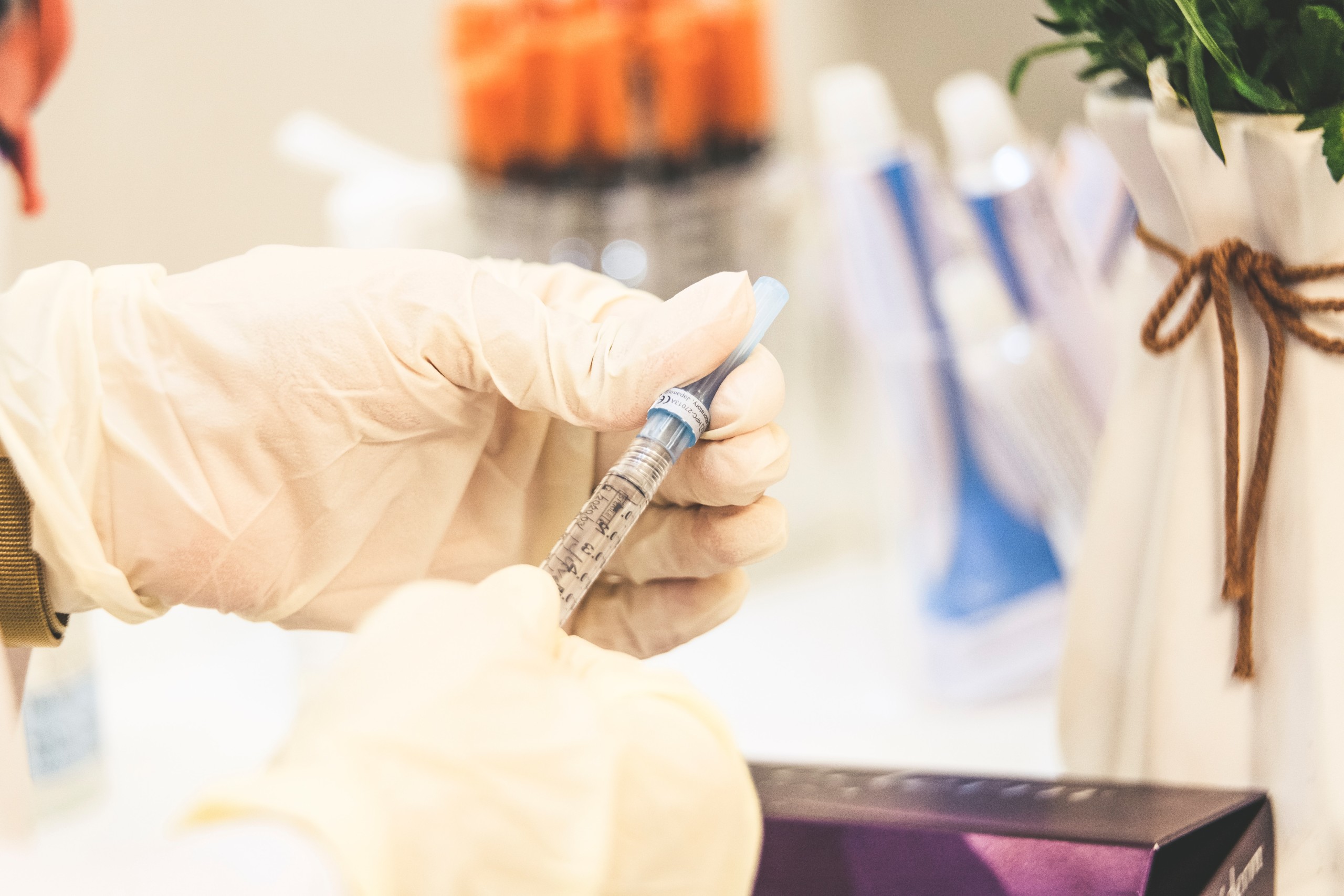
Health experts say waiting for any kind of transplant is far from your typical hospital wait time, but each year countless people must wait for a life-saving transplant. A bone marrow transplant can save the life of someone with a blood cancer such as leukemia or lymphoma. And according to the Be the Match website, a cure exists for the thousands of people diagnosed with those life-threatening blood cancers.
But for many black and brown people, the wait for a match often seems never-ending.
The Be the Match volunteer registry lacks ethnic and racial diversity, which makes it harder for patients of color to get life-saving treatments. For example, a Black person has a 23% chance of finding a matched donor in the registry, while a white person has a 77% chance. American Indian and Alaska Native people have a 57% chance of finding a registry match, Asian and Pacific Islander patients 41%, and Hispanic or Latino patients 46%. People of color make up a small percentage of all donors, making it difficult to find matches for people with cancer who are not white or of mixed race and ethnicity.
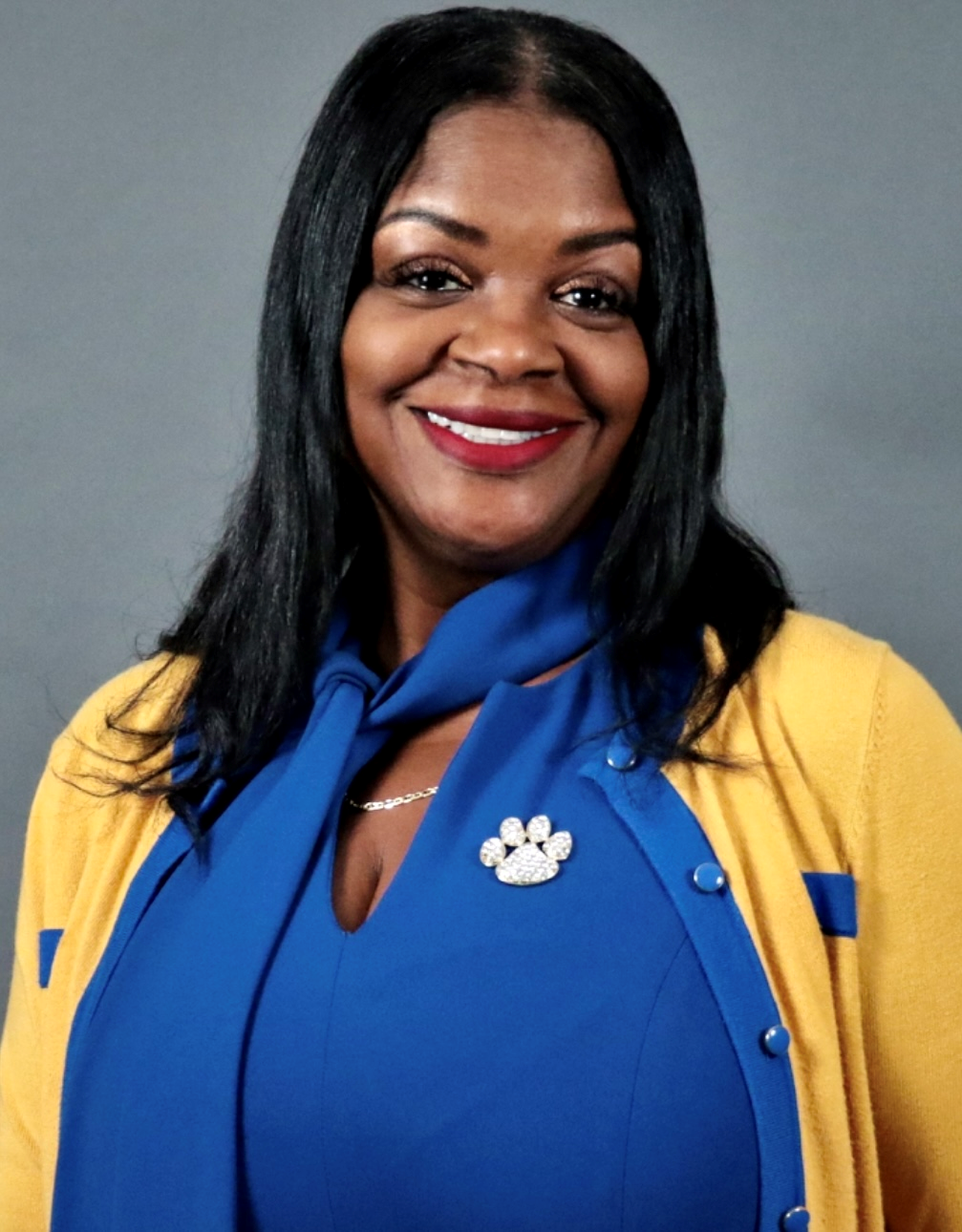
Tucker Wilson
But thanks to compassionate donors from ethnic minorities, these percentages can increase to save more lives. One day while at work, former CAHS Assistant Director of IIC Tucker Wilson got the call notifying her that she was, in fact, a match. Several years ago, she had registered with Be the Match and didn’t think anything else about it until that call.
What happened when you received the call?
Tucker: I was shocked. I remember signing up ten years prior when my sorority invited a Be the Match representative to speak to us about the need for more minority donors. I didn’t hesitate, got swabbed, provided my contact information, then basically forgot about it.
Since so much time has passed, are you still willing to donate?
Tucker: Yes. The BTM representative asked the same thing. She said we’d understand if you changed your mind. I said, no, I’m still willing; I’m shocked that you all took so long, but I’m still willing.
Are you scared?
Tucker: Of course, I am scared, but when I think about the possibility of helping to save someone’s life, that eases my fear. I’m blessed to be healthy and can imagine if my life depended on finding a match or that of one of my children. I would want someone to help.
Do you have an understanding of the process?
Tucker: There are two options. One involves something similar to donating blood; only this is more like an eight-hour process. They would draw my blood and then put it in a machine to extract the valuable platelets or stem cells. The second involves doctors using needles to withdraw liquid marrow from both sides of the back of your pelvic bone.
Is there anything else you’d like to add?
Tucker: Yes, I’m not sure how this process will end, but I’m glad to know that my rare blood type is a match for someone in need. I think it’s crucial for us to join the registry. I try to share my story with as many people as possible because, for minorities, the numbers are bleak. We make up only four percent of those on this global registry. I’m usually pretty scary, especially of needles, so if I can do it, so can you!
Find out more at:
bethematch.org/support-the-cause/
Pascale Mondesir
Communication Specialist
pamondesir@pvamu.edu