

PRAIRIE VIEW, Texas (May 19, 2026) – Researchers at Prairie View A&M University are finding new ways to turn agricultural waste into something useful for farmers, communities, and the environment.
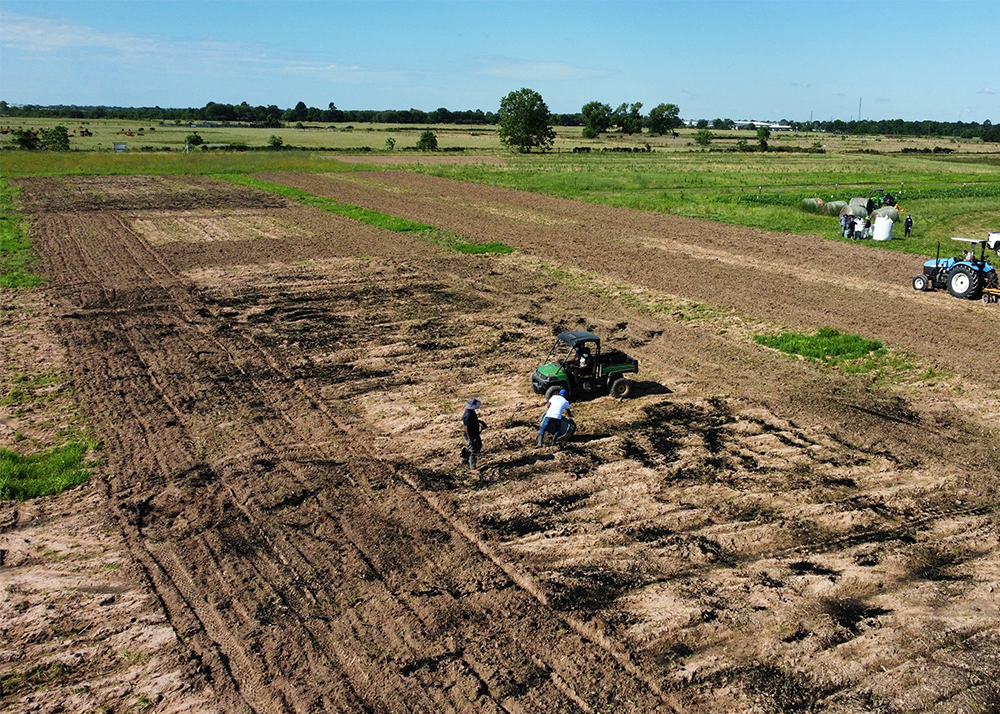
The work centers on biochar, a charcoal-like material made from leftover plant matter such as crop residue. Instead of letting agricultural waste burn or go unused, researchers convert it into a carbon-rich material that can help improve soil health and support more sustainable farming practices.
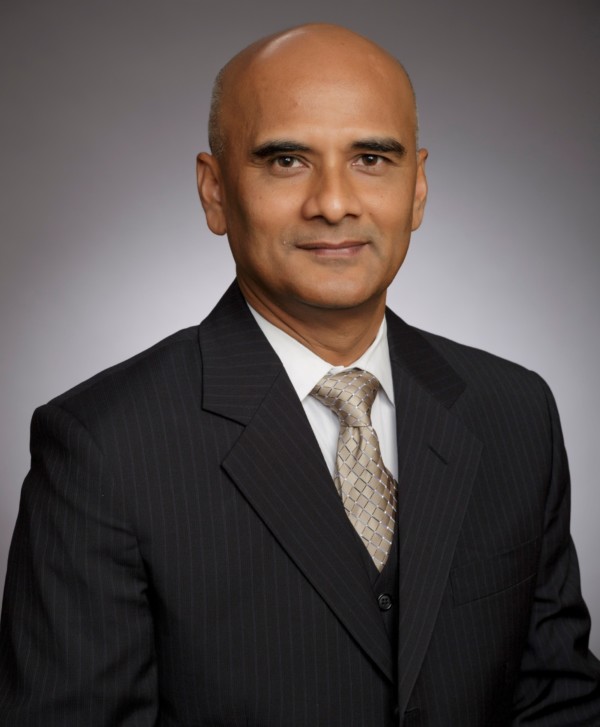
Ram Ray, Ph.D.
Leading the effort is Dr. Ram Ray, a professor in PVAMU’s College of Agriculture, Food, and Natural Resources, whose work focuses on helping expand the University’s research and collaboration efforts while creating opportunities for students to gain hands-on experience.
A major part of the project is a new automated biochar processing unit that will allow researchers and students to produce biochar more efficiently and on a larger scale. Nearly $1 million has been invested in the initiative, including about $500,000 for the new processing system.
According to Dr. Ray, the equipment is unlike systems currently available at other public or private institutions and positions PVAMU to expand its leadership in agricultural and environmental research.
The project supports the University’s land-grant mission by connecting research, education, and community impact. Researchers hope the work will lead to practical solutions for challenges related to soil health, sustainability, and carbon management.
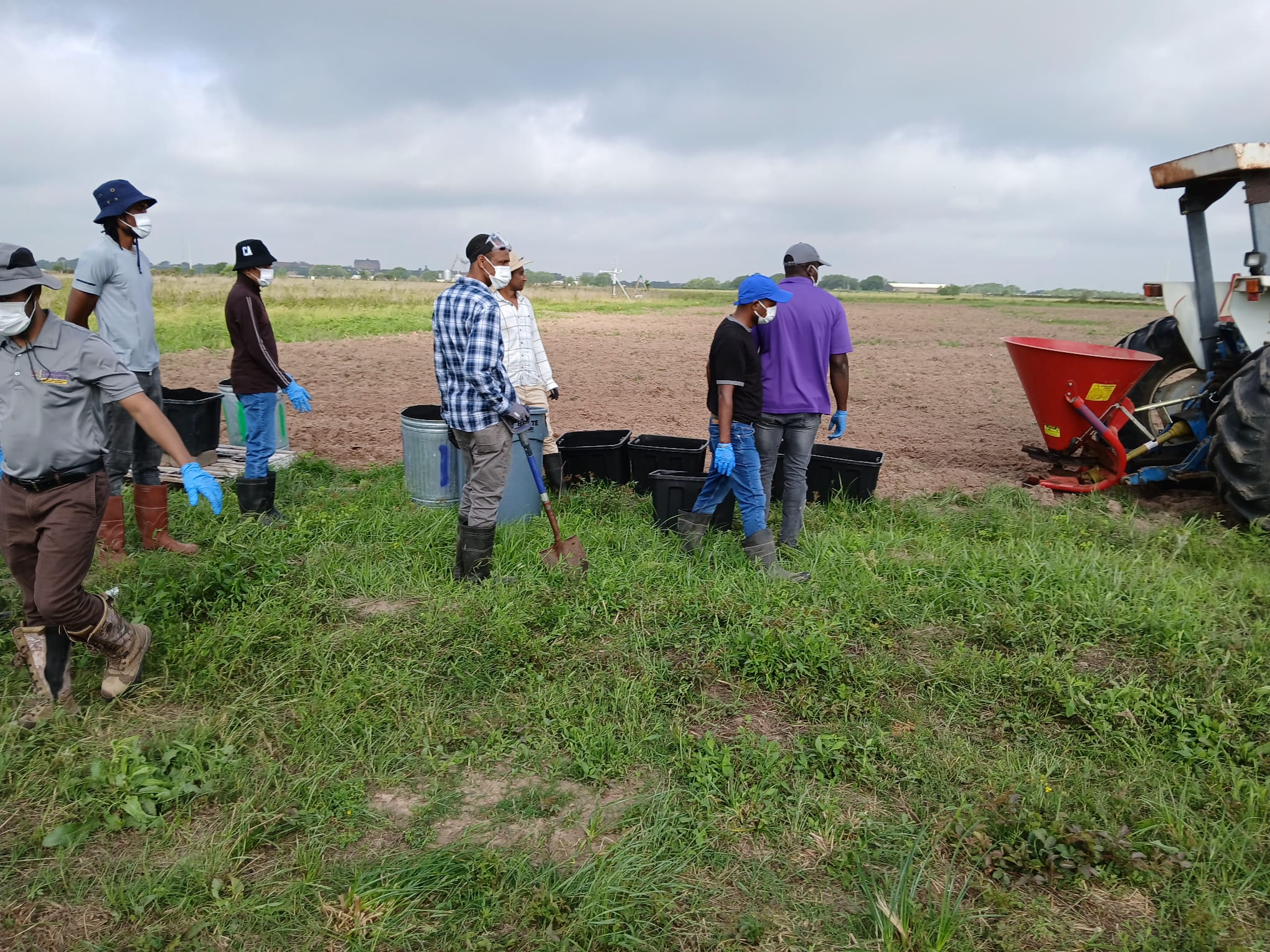
Students are also playing a key role in the initiative. Through hands-on research opportunities, they gain experience working with biochar technologies and learn how those tools can be used in agriculture and environmental management.
The project also reflects PVAMU’s long-standing commitment to developing “productive Panthers” by helping students apply what they learn in ways that benefit their communities after graduation.
Dr. Ray said the initiative is about more than scientific research. It is also about creating real-world solutions while opening doors for students, particularly those from historically underrepresented backgrounds, to gain technical experience and prepare for future leadership roles.
Collaboration across disciplines and partnerships outside the University have helped move the project forward. Dr. Ray said PVAMU’s supportive research environment and focus on applied work have been instrumental in turning ideas into practical impact.
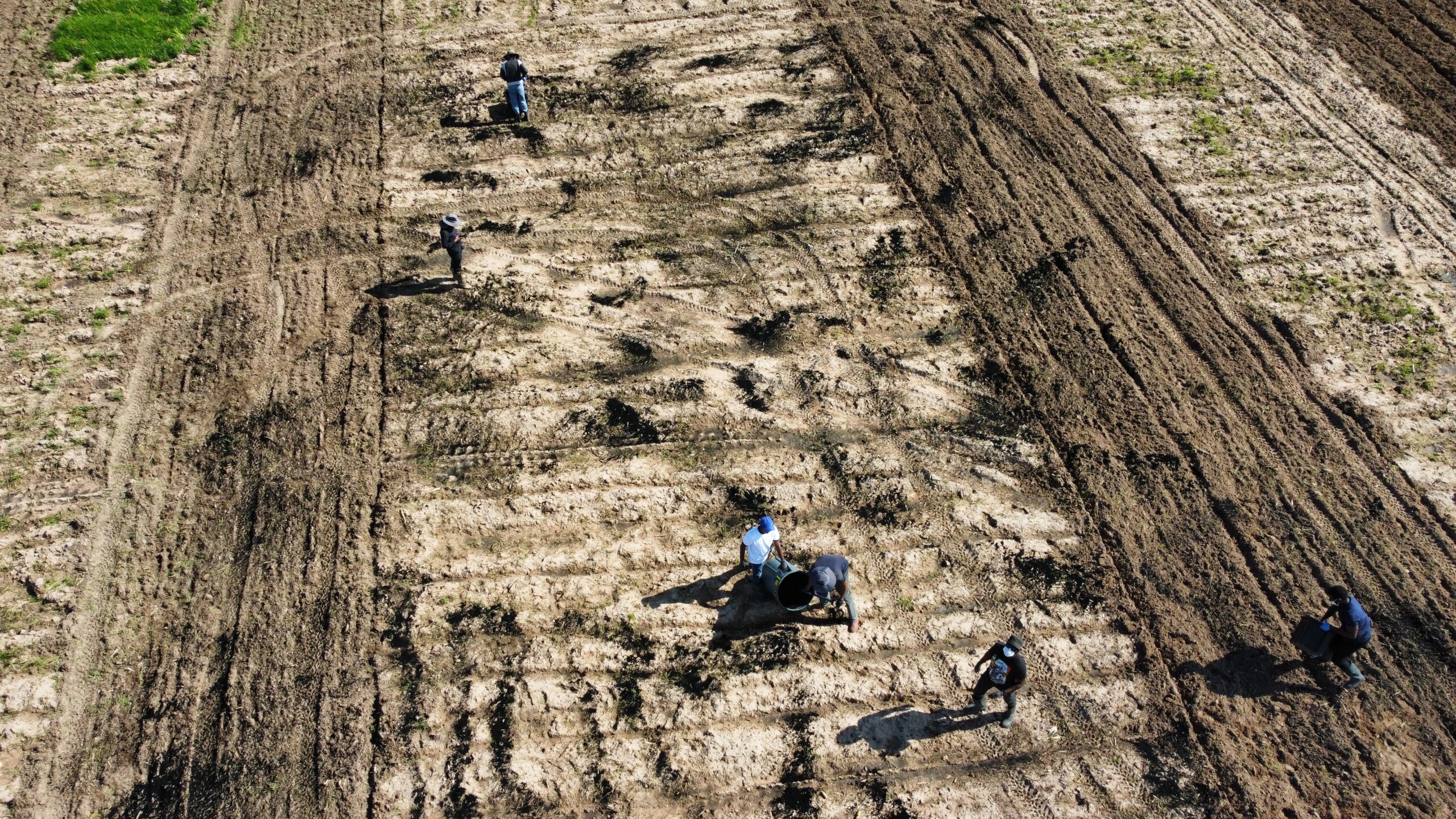
PVAMU farm
Researchers believe biochar produced through the new unit could help improve soil structure and help soil retain nutrients over time, offering benefits beyond traditional fertilizers. The process also gives new purpose to agricultural waste that might otherwise be discarded.
Future plans include outreach efforts and demonstrations for farmers that could allow producers to provide agricultural waste and receive biochar in return.
“As an HBCU with a strong tradition of access and excellence, PVAMU is expanding research capacity, supporting faculty and student achievement, and developing solutions that matter both locally and broadly,” Dr. Ray said. “That is what makes the university an important and emerging leader in research, innovation, and agriculture.”
-PVAMU-