
HOUSTON (March 20, 2020) – Southeast Texas is in survival month as local governments and healthcare providers wrestle with the onslaught of the coronavirus pandemic. City of Houston freshman Councilwoman Tiffany D. Thomas, who is an assistant professor of Community Development at Prairie View A&M University in the School of Architecture, is navigating through the ever-evolving crisis keeping the safety of residents on her mind and sustaining small businesses through this uncertain future.
After the City of Houston held a special called meeting on Tuesday, March 17, to extend the emergency declaration, Thomas took the time to provide an analysis of four pressing issues facing the community.
Question 1: What is the state of disaster for public health?
Thomas: We are in unprecedented times. It is imperative [that] we keep relatively healthy people away from those who are vulnerable to the virus – in an effort not to overload our hospital system. The extended resolution allows Houston, Harris County, and neighboring counties to qualify for potential federal funds in the near future.
Also, COVID-19 exasperates economic issues such as livable wages, healthcare, paid sick leave, and other issues of importance in the national and local conversation. And we don’t have all of the answers.
If nothing else, this will magnify what direction we need to take as a city and region in terms of preserving health and the income of our residents. Starting Wednesday, March 18, (four) testing sites will soft open, two within the city, and two in Harris County. Making sure those with symptoms can be tested and afforded is our highest priority.
Question 2: With the shutdown of bars and dining room closures of restaurants, what’s the impact on small businesses?
Thomas: The reality is many small businesses will not survive beyond 30 days. People will lose their jobs. Owners will not be able to manage their financial obligations. It becomes a rippling effect.
To mitigate the financial impact, we (the City of Houston) encourage residents to enjoy food from their favorite restaurant – just in a limited capacity – for the next 15 days.
We have created an ad hoc committee between the Public Safety, Homeland Security, and Economic Development to work through solutions for small businesses during this time, such as relief on property taxes and or the sales tax revenue.
Question 3: Before the sequestering, Mayor Turner pushed “staycations” at local hotels. How’s the pandemic impacting local tourism?
Thomas: Previously, we connected COVID-19 to international travel and encouraged residents to remain in the area and consider stimulating our local travel economy. However, with the recent cases in Montgomery and Galveston Counties, we realize community spread is happening, and we must manage this by limiting large group interactions.
Several large conferences and conventions have rescheduled and or canceled their visits to Houston, which directly impacts the hotel and tourism industry. Small business caterers, weddings, and even local corporate/community events have decided to postpone activities. Several corporations anticipate furloughing employees in the coming weeks (i.e., airline and oil and gas industries).
Question 4: Has the seriousness of the pandemic encouraged more neighborly compassion?
Thomas: In the infancy of understanding COVID-19, many families rushed the grocery stores in anticipation of a government shutdown. Now, as we become more comfortable with our new normal, businesses, such as Foodtown Groceries, initiated a ‘senior hour’ to allow shoppers aged 65 and up to purchase groceries before the large crowds.
We’ve also witnessed outpouring support from volunteers to help local ISD’s distribute breakfast and lunch to our most vulnerable students who depend on the meals at school.
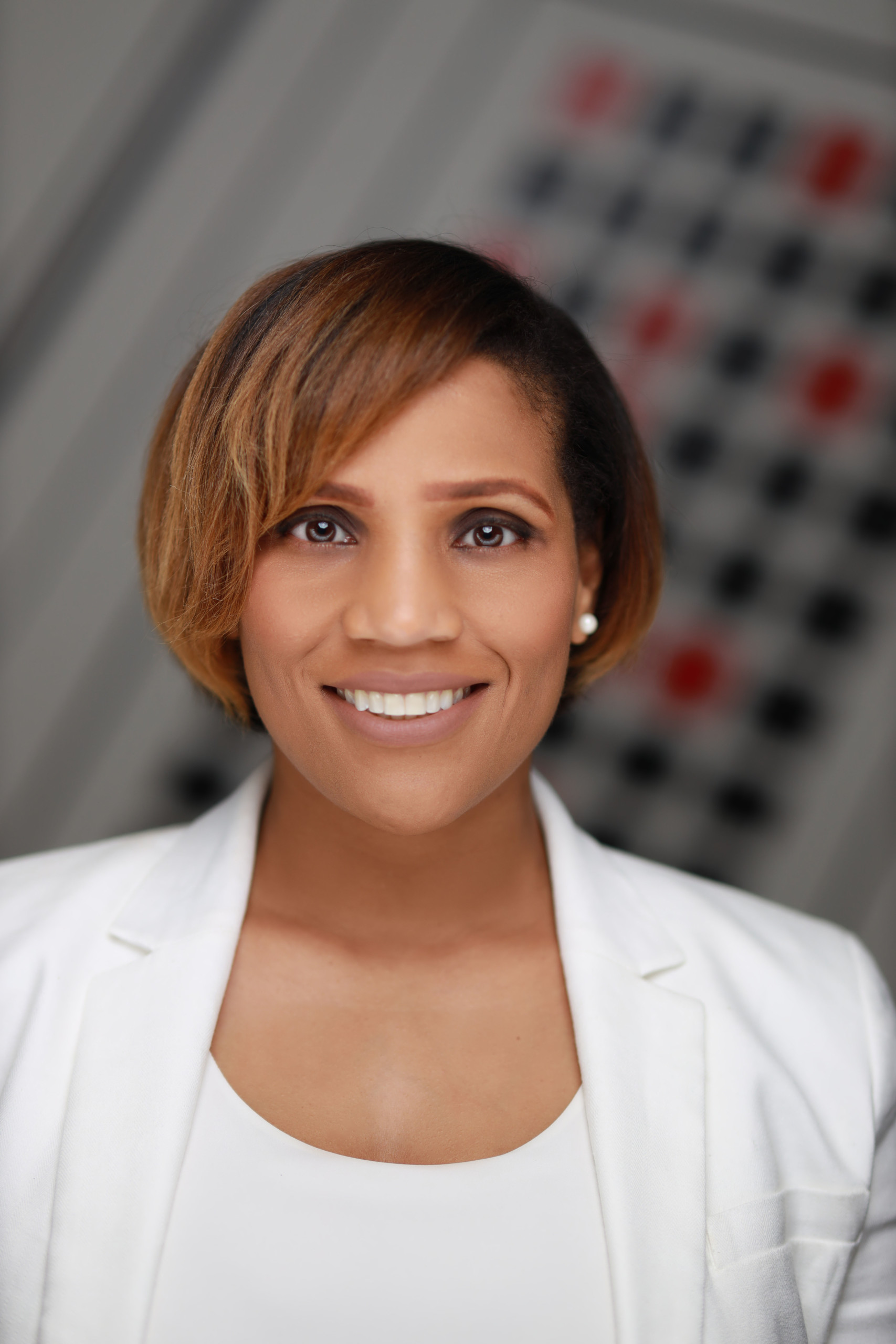
Tiffany D. Thomas
Compassion is still visible, but as we learn more about the virus and its implications, we are asking everyone to stay put and don’t overextend yourself unless it is necessary.
Thomas will provide ongoing analysis on the pandemic based on her perspective in three different roles she functions in simultaneously: as a resident, elected official, and an academic researcher. At PVAMU, she teaches graduate courses in Introduction to Community Development, Community Research, Community Development Politics, and Research Grant Development.
###
By Michael Douglas