

PRAIRIE VIEW, Texas (July 22, 2026) – As artificial intelligence continues to shape the future of education, research, and industry, Prairie View A&M University’s Regents Professor Chair of Water Security, Dr. Ali Fares, is helping recognize the next generation of innovators.
 Fares was invited to serve as a judge for the inaugural Presidential AI Challenge, a nationwide initiative launched by the White House to encourage K-12 students and educators to develop innovative, ethical, and practical artificial intelligence solutions to real-world challenges.
The challenge engaged more than 20,000 students from all 50 states, the District of Columbia, Puerto Rico, and Department of Defense Education Activity schools worldwide. Participants developed AI-powered projects addressing issues ranging from agriculture and environmental sustainability to healthcare, education, cybersecurity, and public safety.
“The most rewarding part was seeing the creativity, talent, and enthusiasm of the participants,” Fares said. “It was inspiring to review projects that used AI to address real-world challenges and to see students applying their knowledge in innovative ways. Knowing that I could help recognize and encourage the next generation of AI innovators made the experience especially meaningful.”
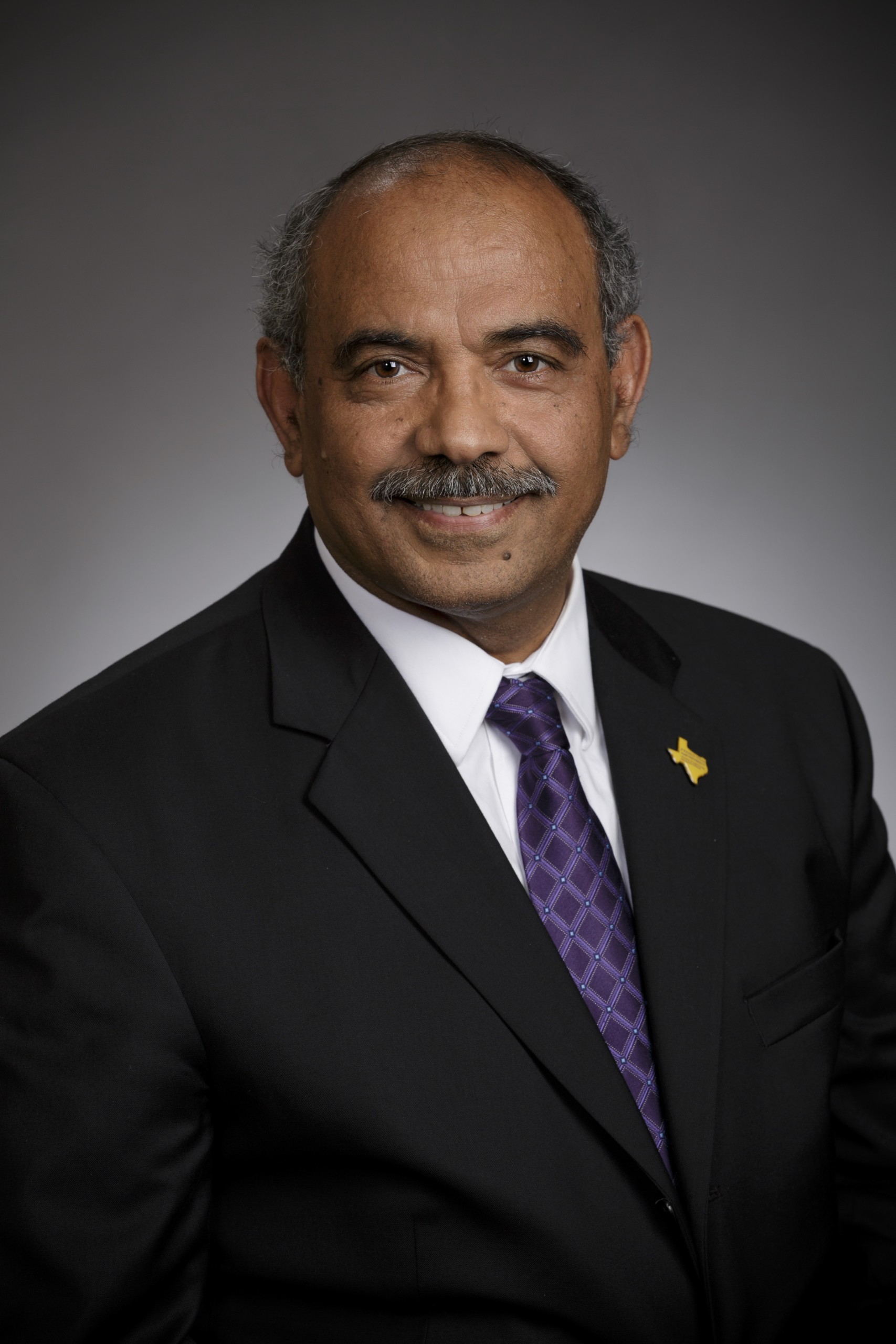
Ali Fares, Ph.D.
Fares was invited to serve as a judge based on his expertise in artificial intelligence and education. His research focuses on applying AI, machine learning, and data science to challenges involving agriculture, water resources, environmental sustainability, and the Food-Energy-Water Nexus.
As a judge, he evaluated submissions from students and educators based on innovation, technical quality, creativity, feasibility, responsible AI practices, and potential societal impact.
The experience also reflects Fares’ approach to teaching at Prairie View A&M University, where he integrates artificial intelligence into undergraduate and graduate coursework while engaging students in research that addresses real-world challenges.
“As faculty members at a land-grant university, we have a responsibility that extends beyond advancing scientific discovery to preparing students who can use emerging technologies to solve real-world problems that improve lives and strengthen communities,” Fares said.
That philosophy was demonstrated this past spring, with 12 students enrolled in his graduate course, Principles of Environmental Science & Management. Working collaboratively and with the help of three junior scientists, they produced four review papers on the application of artificial intelligence to emerging pollutants, including PFAS, microplastics, engineered nanomaterials, and UV filters, highlighting AI’s growing role in environmental monitoring and management that were presented at the AI in Agriculture Southeast Universities Conference and are now being expanded for submission to peer-reviewed scientific journals.
Fares said experiences like the Presidential AI Challenge reinforce the importance of preparing students to use artificial intelligence responsibly across disciplines.
“We cannot afford to wait until new AI degree programs or specialized courses are fully established before preparing our students,” he said. “We must act now by thoughtfully integrating AI into existing curricula, creating experiential learning opportunities, and fostering interdisciplinary collaboration so students graduate with the knowledge, skills, and ethical foundation needed to lead in an AI-enabled future.”
In recognition of his service, Fares received a Presidential Certificate of Appreciation for serving on the review team for the inaugural Presidential AI Challenge.
-PVAMU-