

Prairie View, Texas | October 16, 2026 | Story by Whitney Stovall
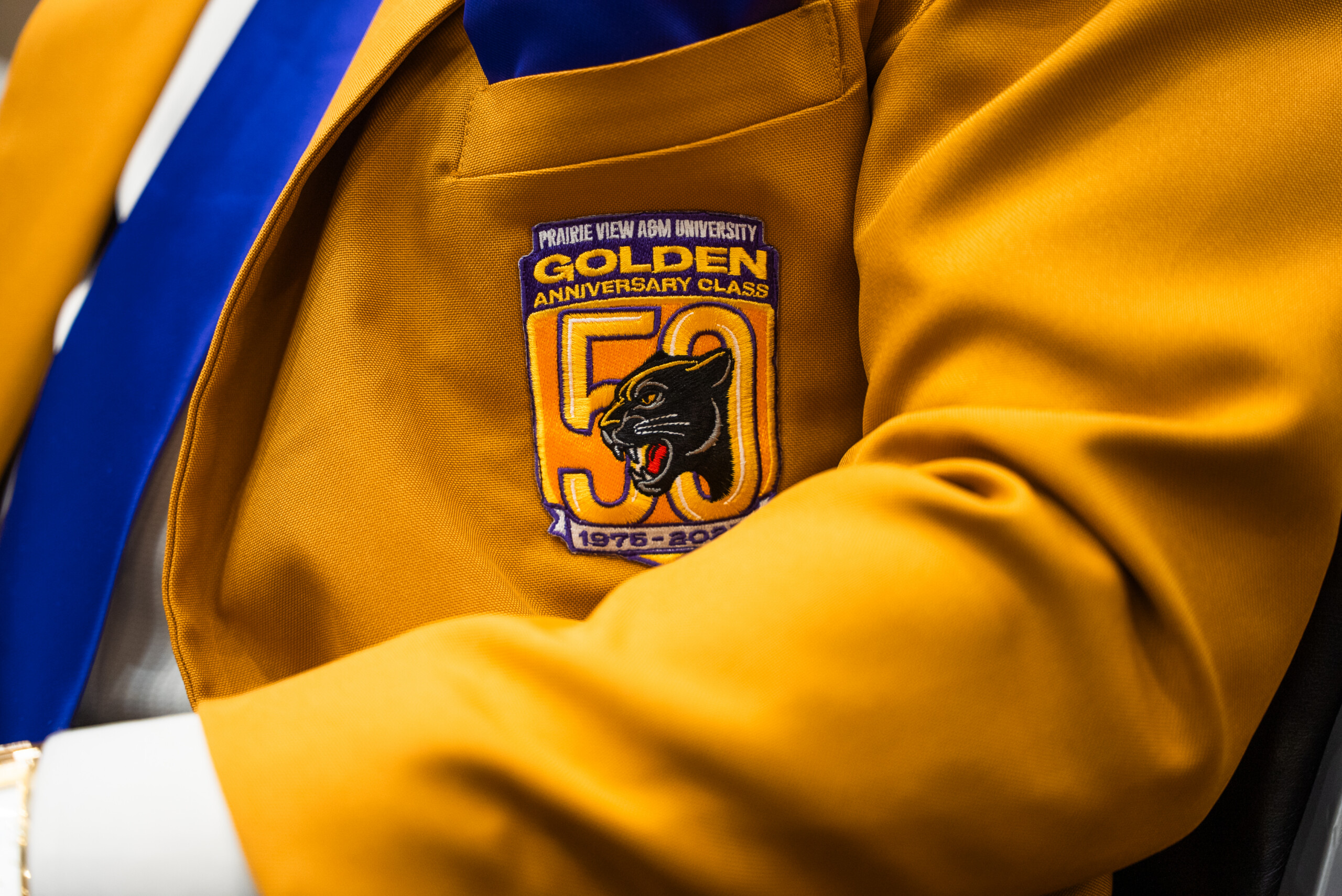
For 150 years, excellence has lived on The Hill. Sitting on the highest point in Waller County, Prairie View A&M University has been a beacon for students and the greater county, offering a path forward for progress, change, and possibility. In honor of the sesquicentennial, PVAMU is taking a moment to reflect on the institution’s longstanding history and celebrate the generations of over 87,000 alumni who have contributed to the legacy.
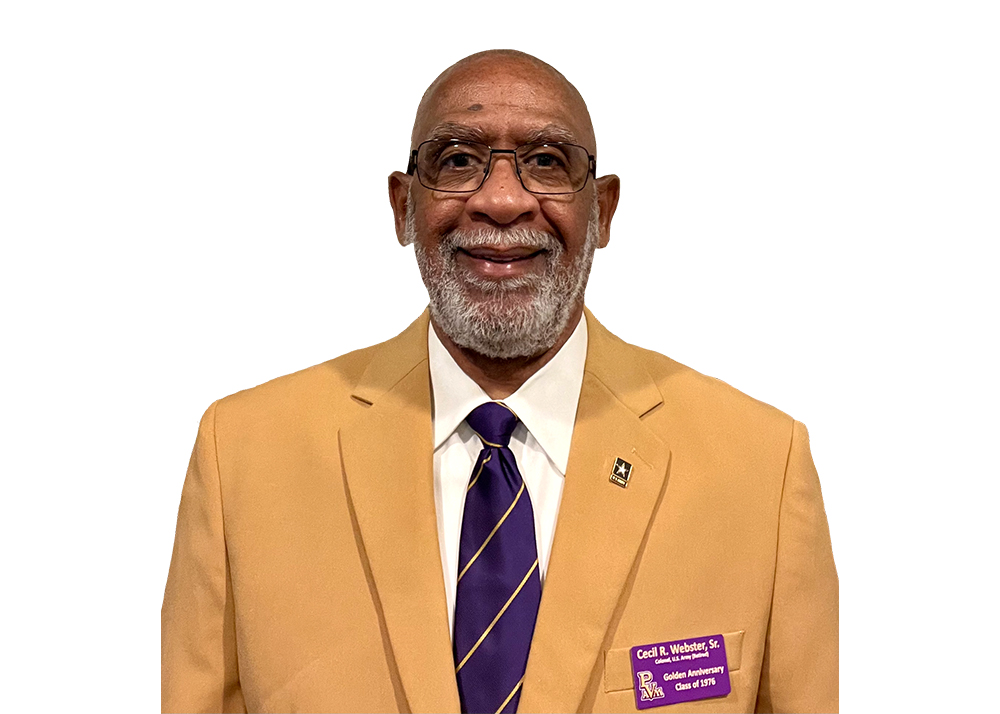
Cecil R. Webster, Sr. ’76
Homecoming season heightens that legacy, as thousands of proud Panthers return to campus to reconnect and make new memories. Each Homecoming season, the Office of Alumni Relations recognizes two milestone classes—the Silver Class, marking 25 years since graduation, and the Golden Class, celebrating 50 years since their time as students on The Hill.
This Homecoming, the familiar magnetic energy that engulfs the campus is only intensified with the return of the 1976 Golden Class. It’s a surreal experience for alum Cecil R. Webster, Sr.
Co-Chair of the reunion committee, Webster, says that after 50 years of life, learning, and growth, returning home is as much about looking toward the future as it is about celebrating the past. Along with his fellow co-chair, Sue Sampleton, Webster is leading the planning and organizing of this year’s events.
“Returning after 50 years seems daunting. While I accept my role as a lamppost for PVAMU and the younger generation of student scholars, I feel I still have so much to learn and do. I am honored to be a part of this Golden Class of 1976 and participate in the Sesquicentennial Anniversary of PVAMU, but this is not the end for me; it is a new beginning.”
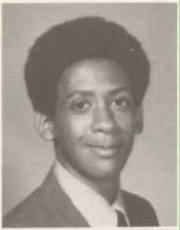
Webster’s high school graduation photo in 1972
During Webster’s formative years, the family lived in Franklin, Texas, a small, segregated farming community. Many believed joining the military was the only way out.
Eventually, the family moved to Bryan, Texas, where, with the help of his high school counselor (a PVAMU alum), Webster was chosen for the Upward Bound program. As part of an initiative put forward by Lyndon B. Johnson’s “Great Society,” the program selected high school students from low-income families who were first-generation and showed potential for success in higher education.
“We visited PVAMU once a month on Saturdays, and we then spent the summer living on the PVAMU campus in dormitories. The focus was to prepare us academically and socially for the rigors of college. By the time I graduated from high school, I had fallen in love with PVAMU, and there was nowhere else I was going to college.”
He applied and was accepted to other universities as a mere formality, but his mind was made up. By the time he received an engineering scholarship, it was clear that PVAMU was his home away from home.
Rewind: The Hill, Circa 1972-1976
Webster’s undergraduate years were equal parts formative and memorable. He joined the Engineering Club, the Pershing Rifles Drill Team, and Army ROTC, earning a scholarship for his service. One of his most cherished memories was winning second place in the statewide competition for his technical paper submission and competing in the American Society of Civil Engineers convention concrete canoe race.
“We had to design and build our canoe and then race it against other schools. I don’t know who won, but I know we came in last. But we had a great time doing it!”
Webster was a smart student who found it easy to master subjects, but he admittedly wasn’t the most disciplined and engaged in the far too occasional campus party.
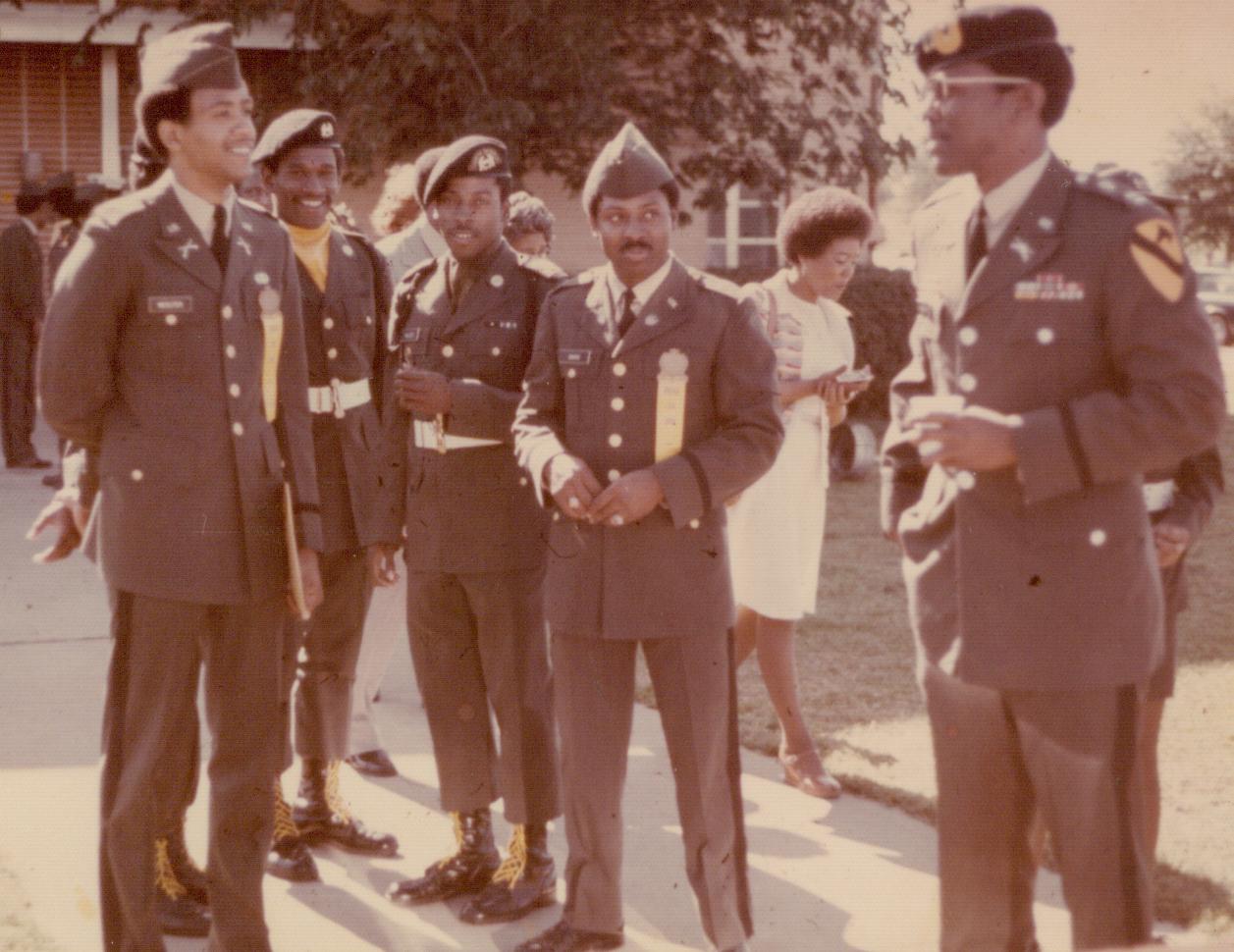
Webster (left) in 1976 after his graduation from PVAMU
Fifty years later, he has never forgotten the core civil engineering professors who ensured that he always got back on track—Dr. R.N.S. Rao, Dr. H.Y. Yeh, and Mr. Cheng-Tien Luke.
“They were genuinely concerned about us mastering our coursework and were always available. And when they thought we were not applying ourselves enough or were too distracted, they took action.”
During his junior year at PVAMU, Webster began the pledging and induction process for the Hamilton-Fearing Counter Guerrillas military fraternity. With his focus elsewhere, Webster failed to make the honor roll for the first time since his freshman year of high school and lost his engineering scholarship. Dr. Rao helped him get it back within one semester.
When Webster’s commitment to the ROTC seemed to overshadow his priorities as an engineering student, Dr. Rao scheduled a conference with the Professor of Military Science, Colonel Frederick Austin, to discuss how to reallocate his time.
Faculty in other departments also left a lifelong impression on Webster, including history professor Dr. George Woolfolk. Webster describes Woolfolk as the best professor he ever had and remembers the class as demanding, but also thought-provoking and entertaining.
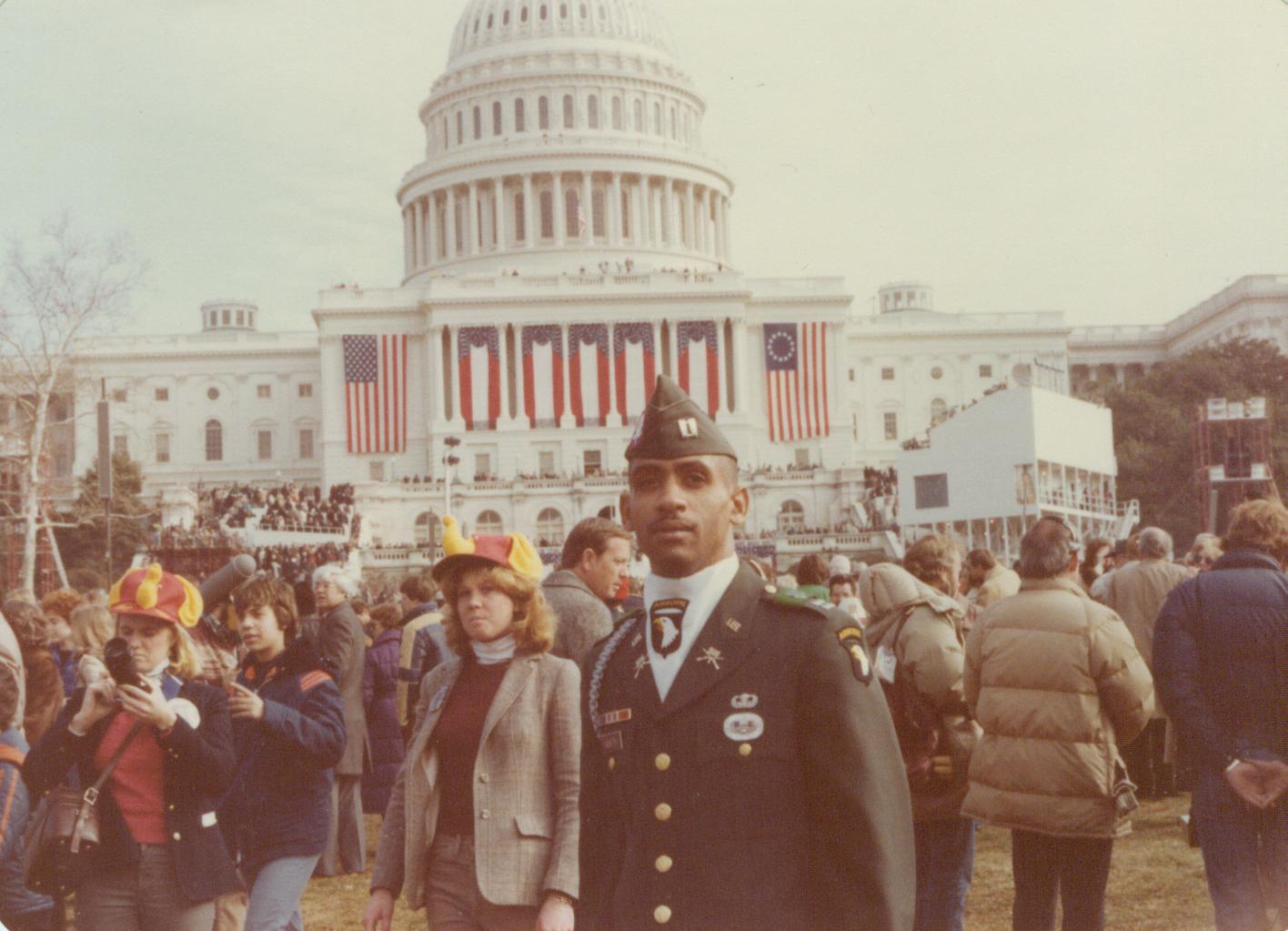
Webster serving on the security detail for President Ronald Reagan’s 1981 inauguration
“Applying the education I received at PVAMU reinforced the fact that, on a level playing field, I can compete with anyone, anywhere. But PVAMU also reinforced that I am not an island; my success and others’ success are intricately interwoven,” said Webster. “I will always cherish the lifelong friends I made during my early days on The Hill, especially those with a military connection.”
In 1976, Webster earned his B.S. in Civil Engineering; he then joined the Army and was eventually sent to Texas A&M University to complete his M.S. in Engineering. Though he had a difficult first semester, he’s grateful for the support he received from his professors, who ‘kept him afloat so he could swim again.”
He went on to teach and mentor engineering students at the United States Military Academy at West Point, N.Y., and provided the same care and attention that shaped his trajectory. Retired from the classroom, he remains committed to supporting students and young professionals, encouraging them to lead by example, be intentional about their success, and never stop learning.
I want students to know that they can succeed in life, despite the hardships and struggles that they will eventually face; they should never give up hope. Don’t be afraid to seek help when needed, whether academically, professionally, socially, mentally, or otherwise. You are not irreplaceable!”
Cecil R. Webster, Sr. ’76
The Golden Class Passes the Baton
Several higher education institutions have come and gone over the past 150 years, but PVAMU remains an immovable force. Webster is proud that the school he’s loved for nearly 60 years continues to live up to its reputation of “Producing Productive People.”
“I love PVAMU and everything about it – what it did for those who came before me, what it has done for me, and what it is doing for future generations like me. I want that to continue,” shared Webster.
For him, the Golden Class of 1976 represents one chapter in a story that is still being told. While he’s looking forward to reuniting with old friends he hasn’t seen in years, remembering those who have passed, and visiting the Baby Dome, he’s equally excited to see how much has changed. He’s often in awe of the new buildings and renovations and impressed by the staff and faculty’s vision for PVAMU’s future.
“I thank Dr. Tomikia LeGrande for all she is doing to transition PVAMU to that next tier of academia. From the boardroom to the church house, she is championing PVAMU, and that is a blessing,” expressed Webster.
I love PVAMU and everything about it – what it did for those who came before me, what it has done for me, and what it is doing for future generations like me. I want that to continue.”
Cecil R. Webster, Sr. ’76
Webster also extends his appreciation to his classmates, friends, and family, and to the appointed Director of Alumni Relations, Phyllis Darden Caldwell, who was instrumental in pulling together an unforgettable 50th anniversary for the class of 1976.
-PVAMU-