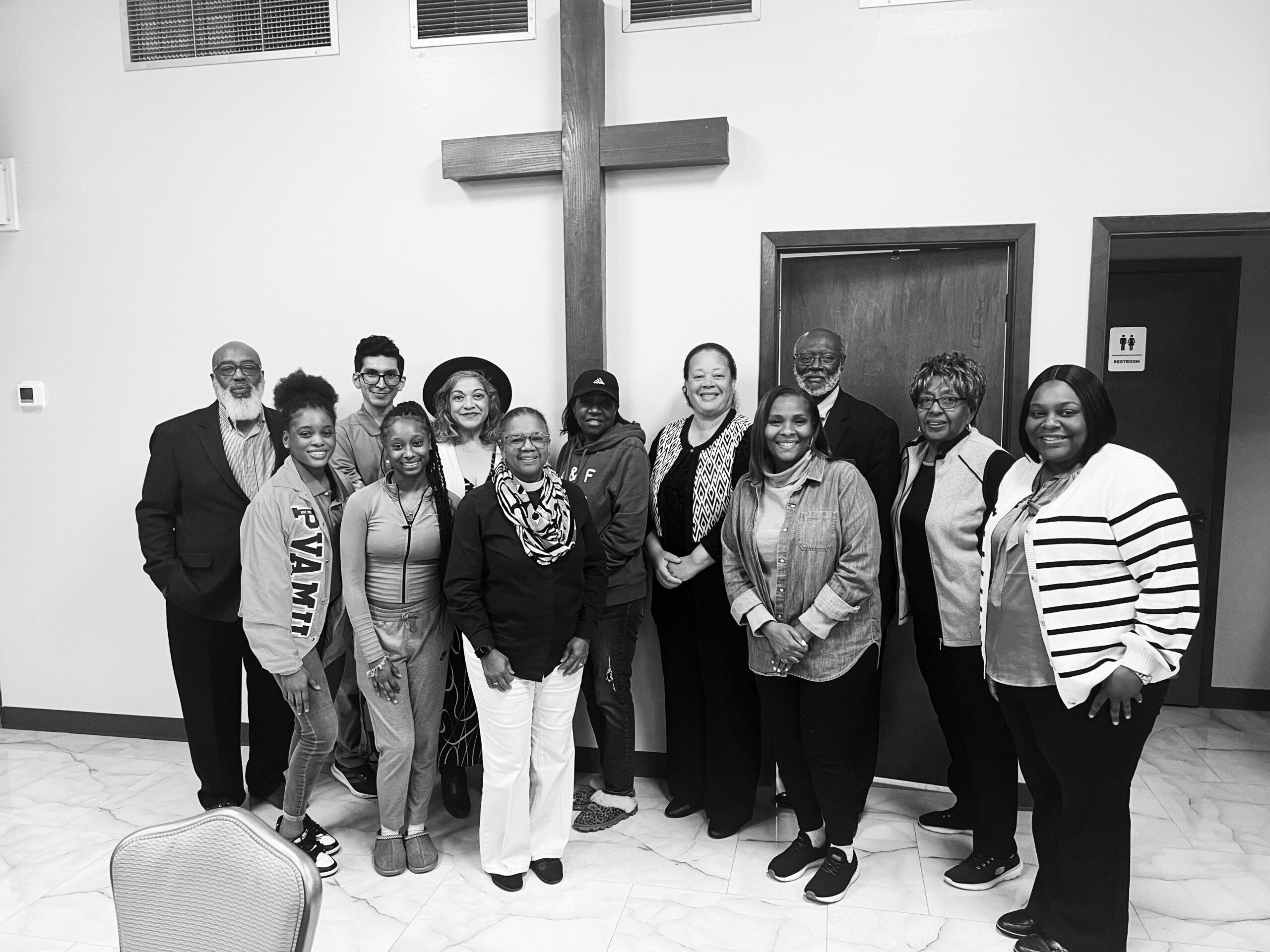
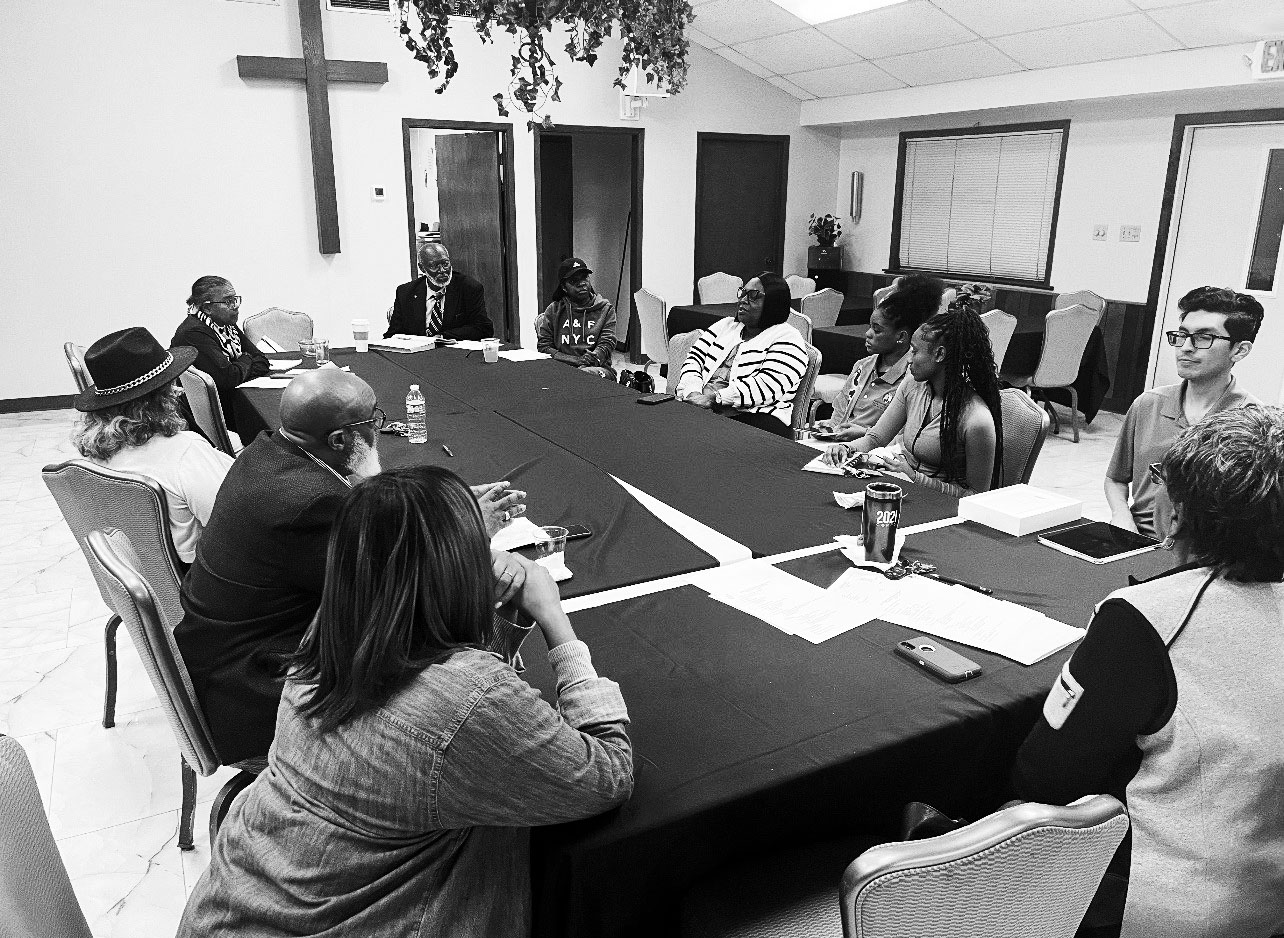
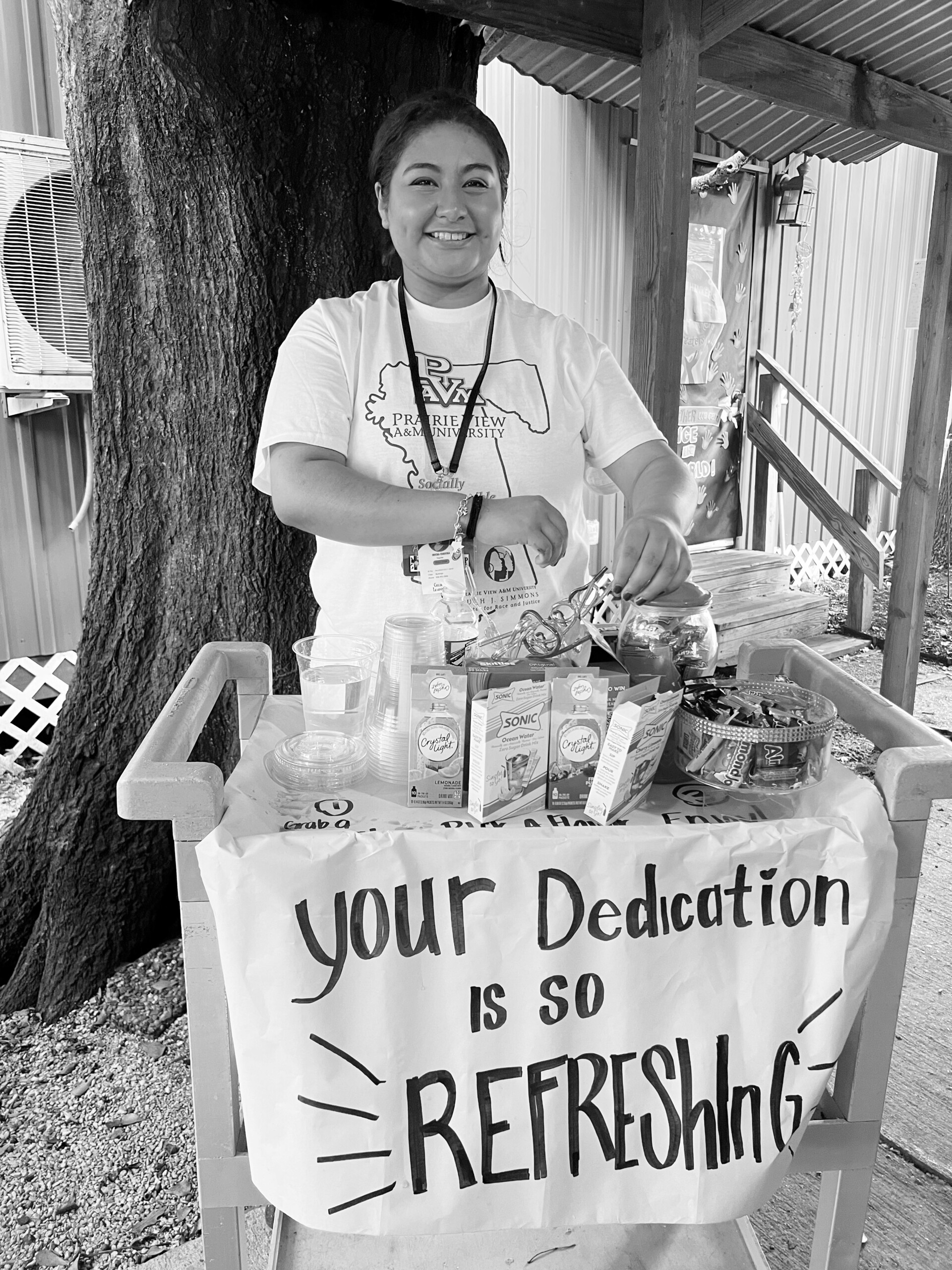
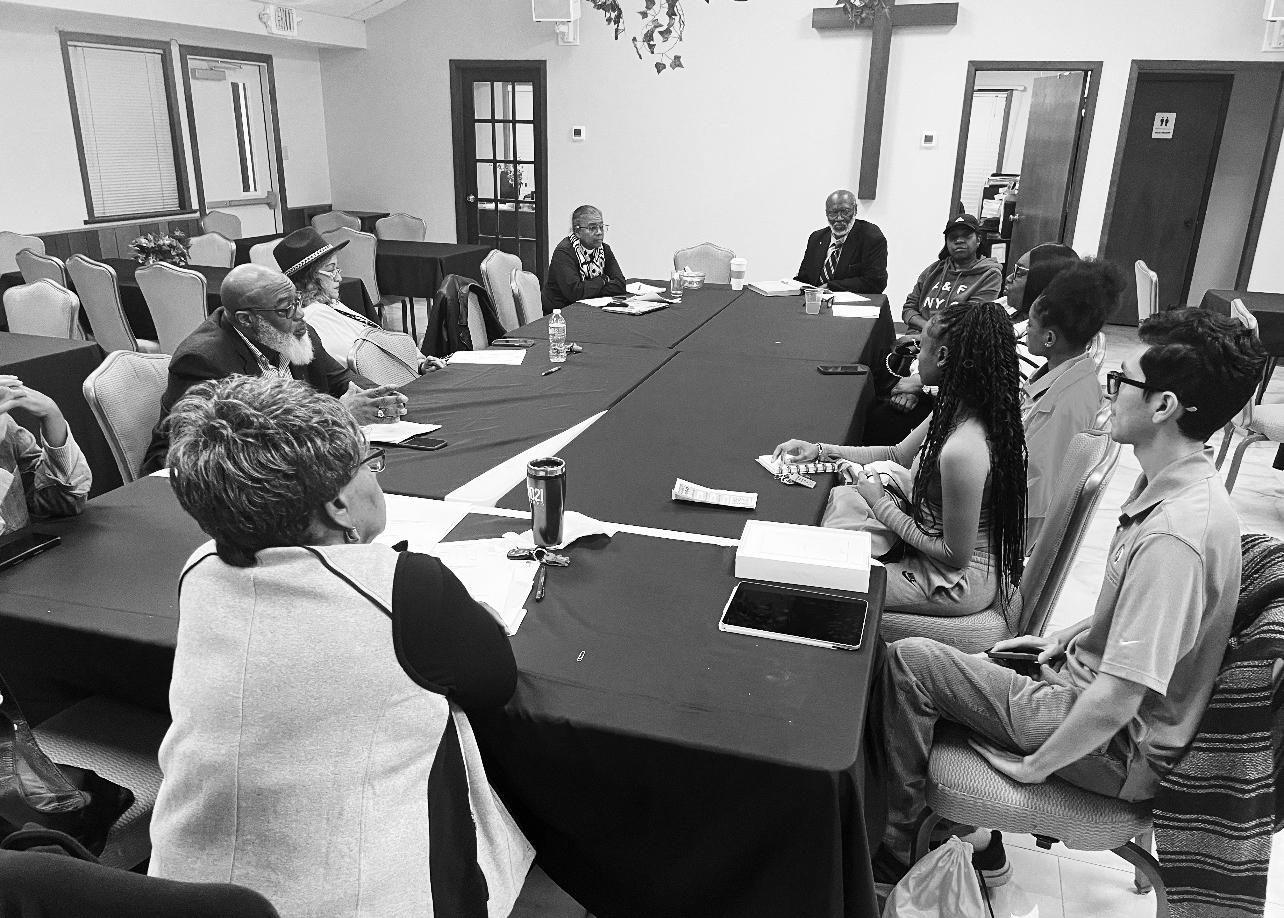
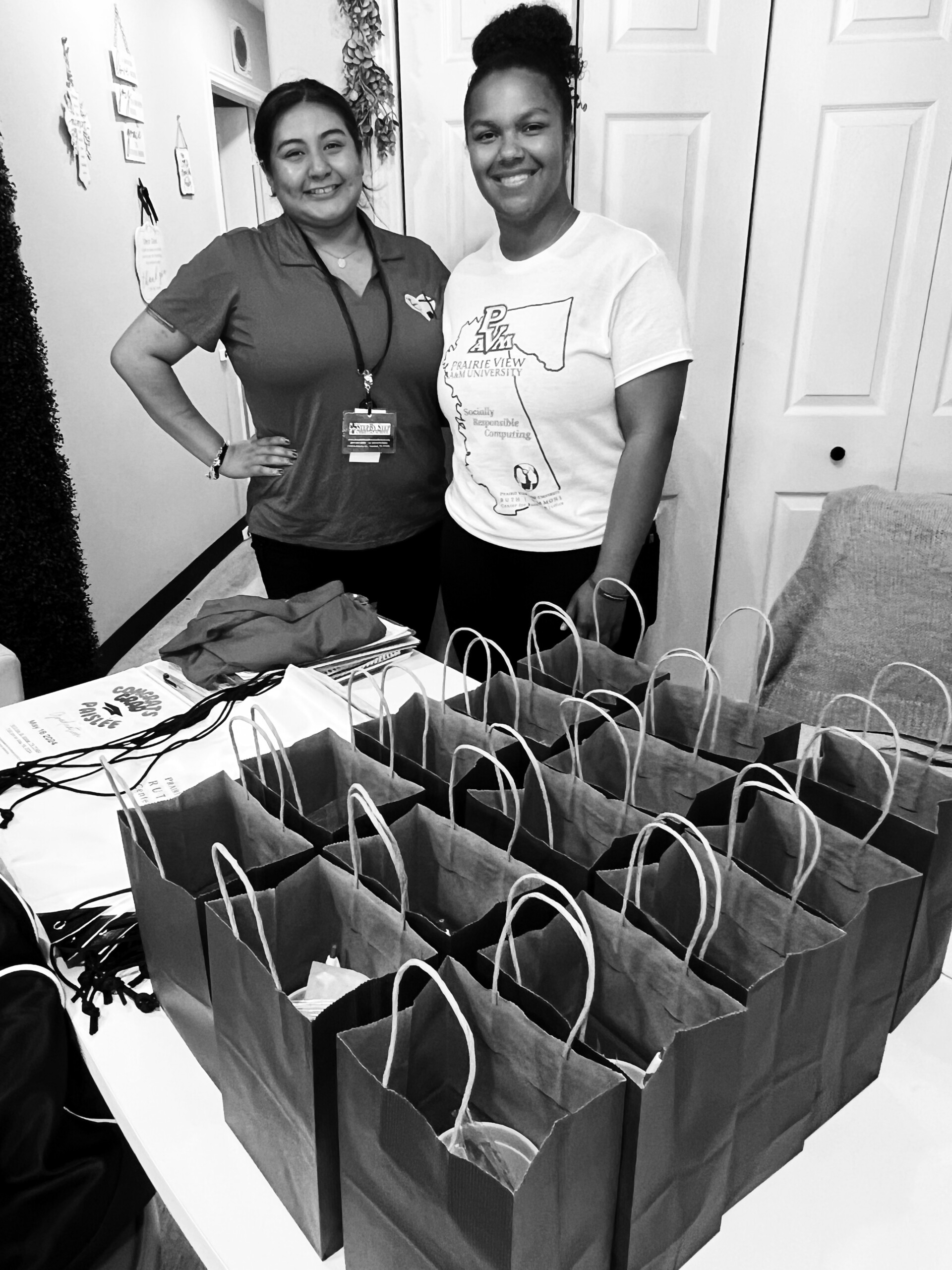
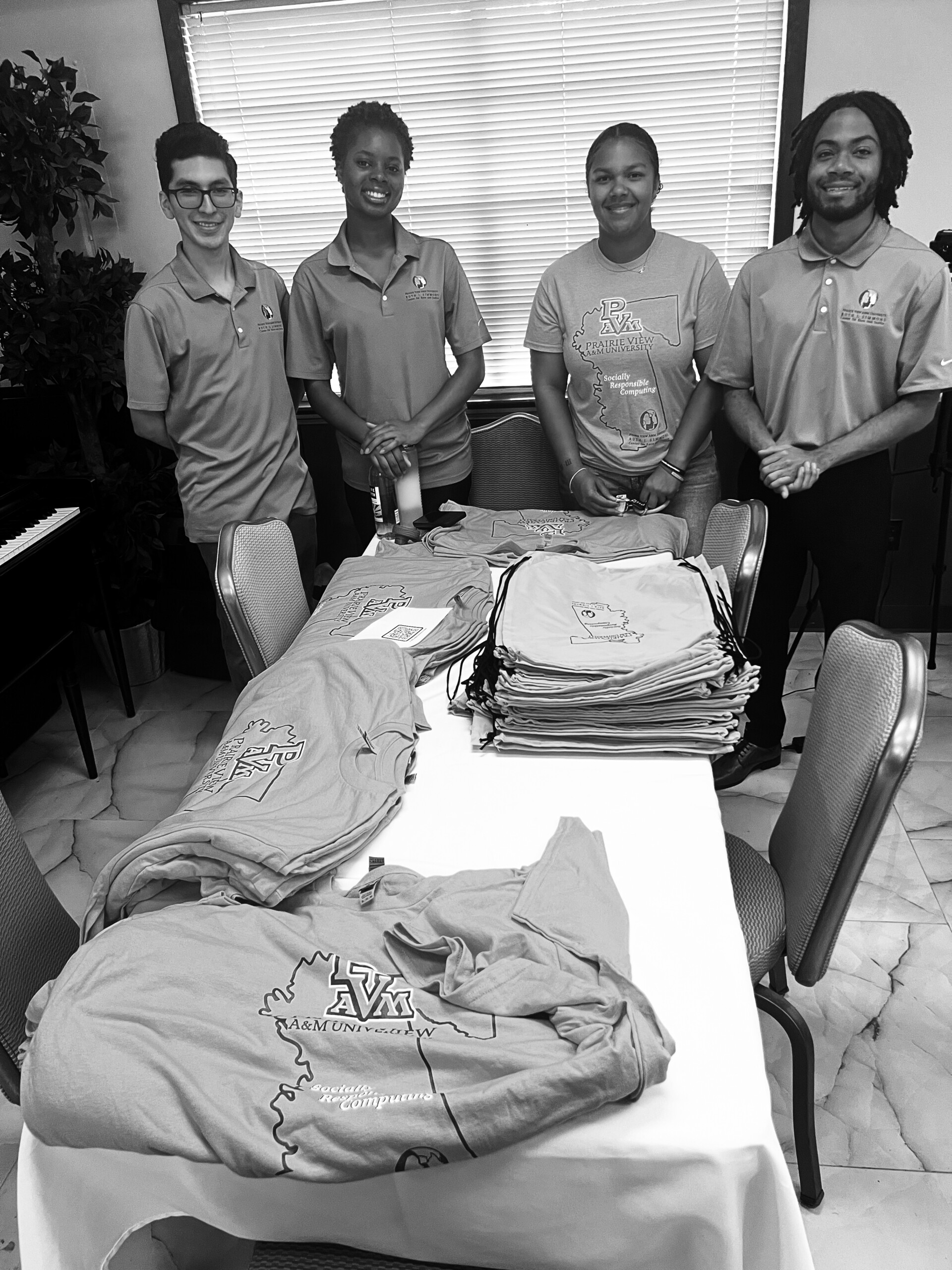
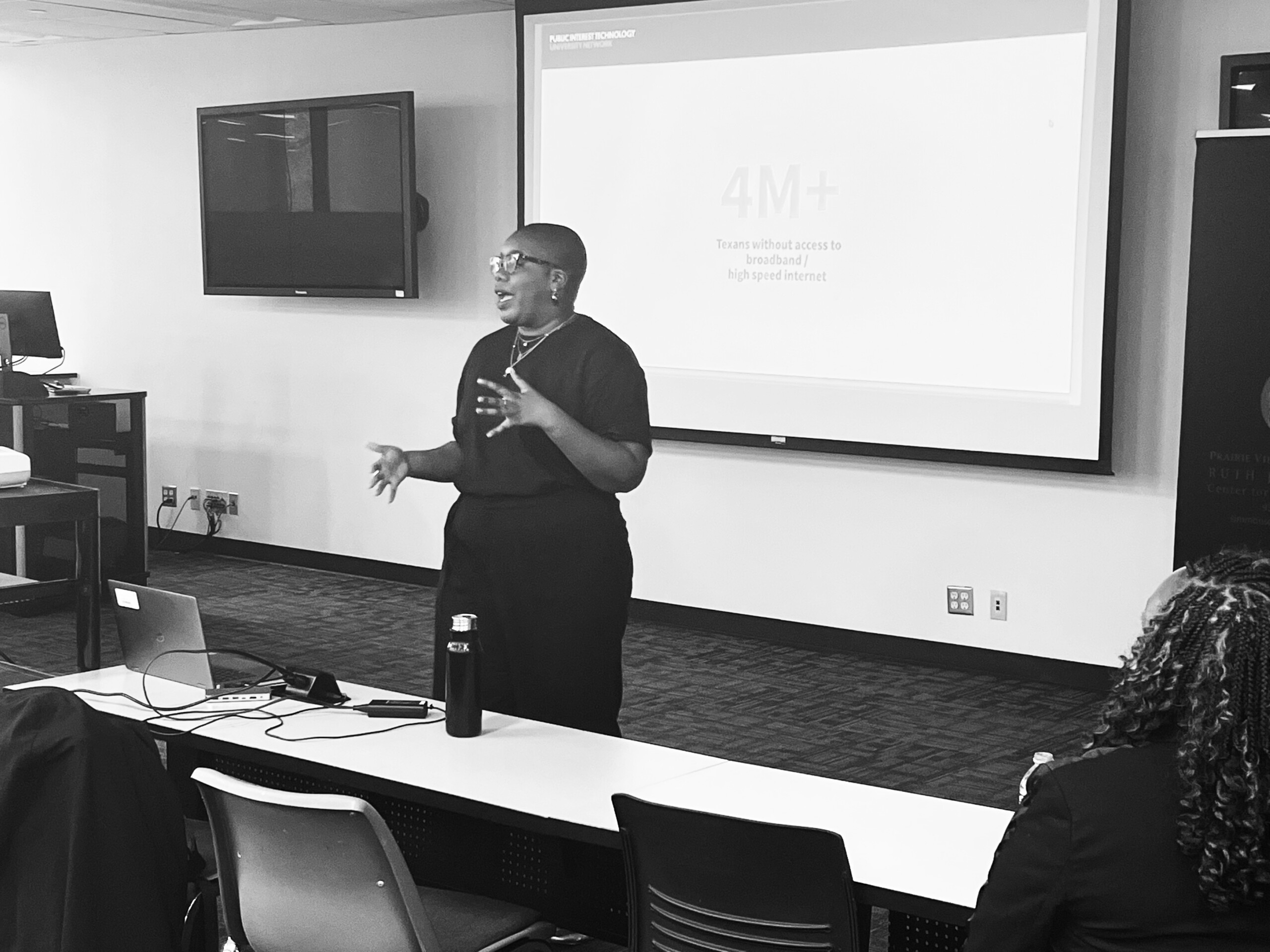
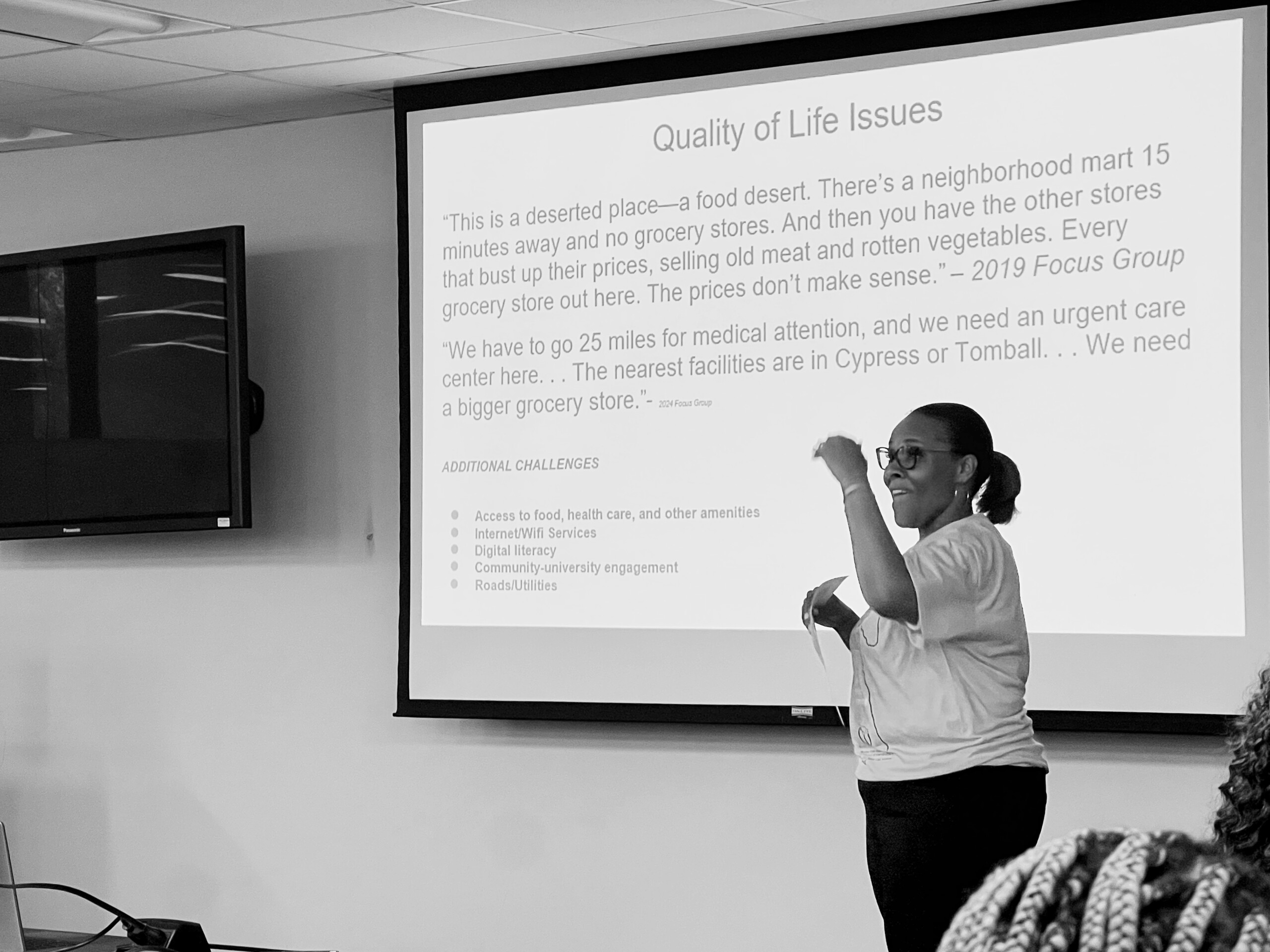
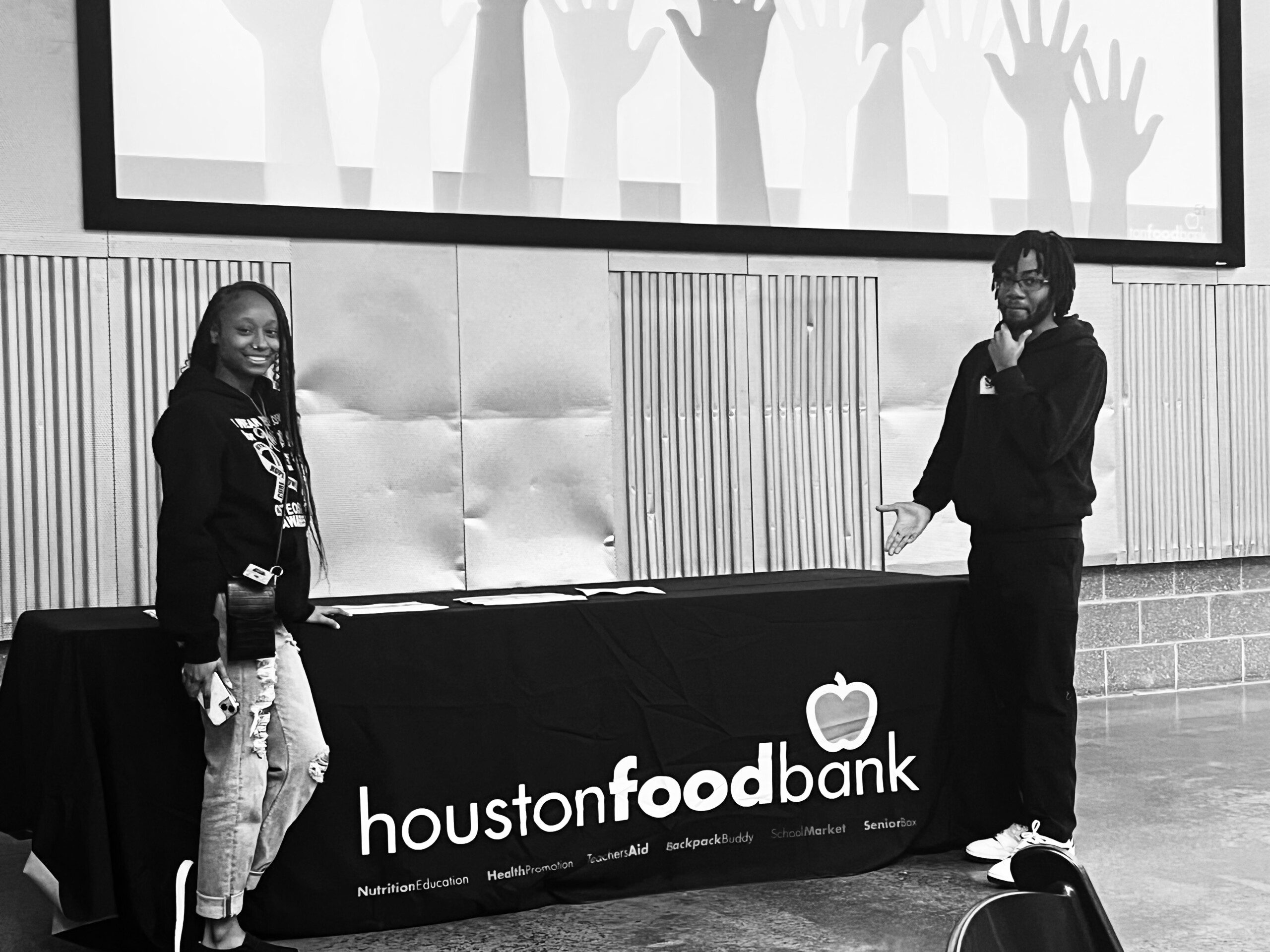
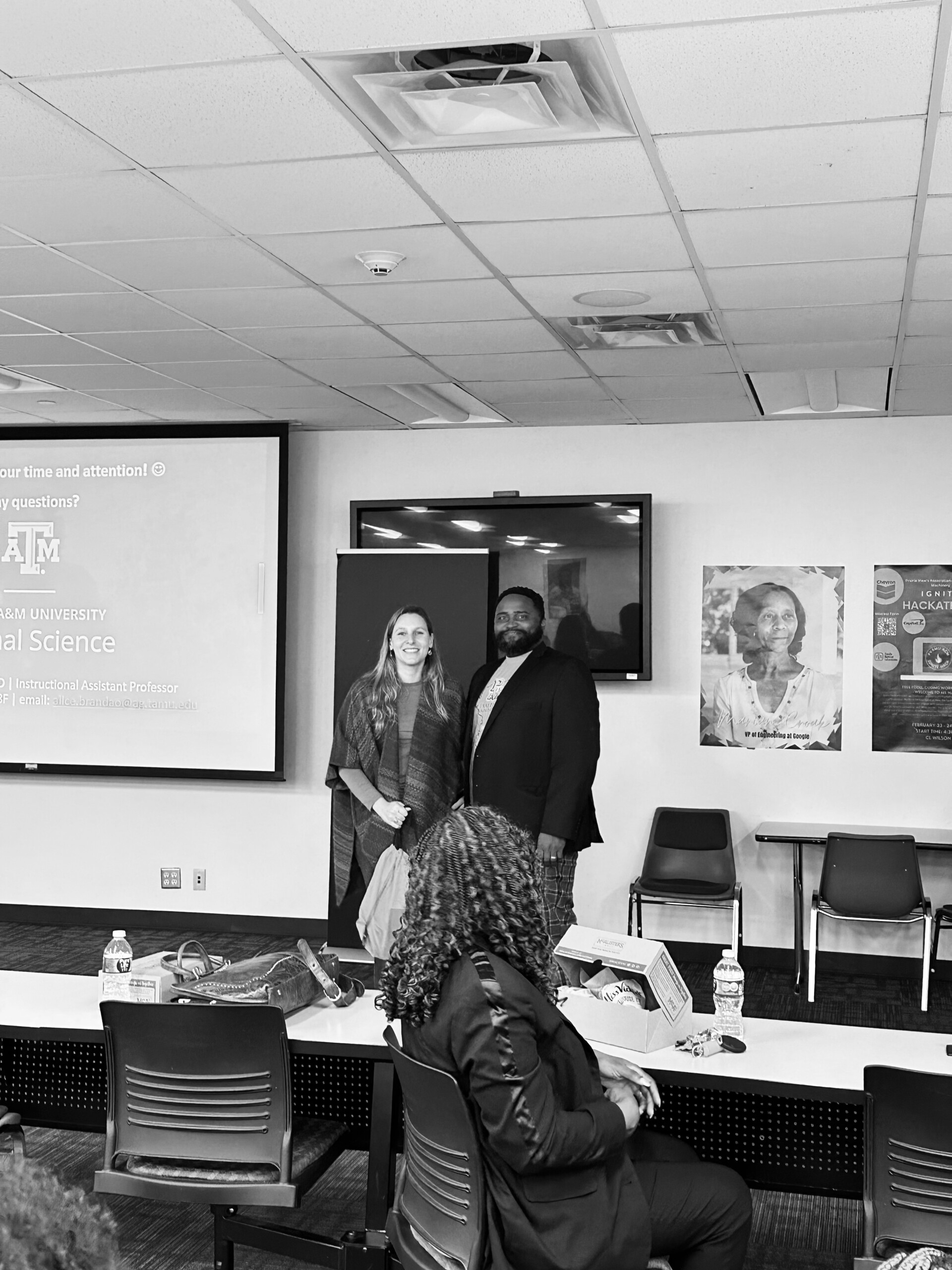
This project brings together computer science and social science/humanities students to be trained by experts in inter-disciplinary methodologies centered in computing to address social issues affecting rural communities such as food insecurity and access to immediate healthcare. This project engages new and diverse perspectives in conversations about socially responsible technologies and computing by grappling with social issues impacting rural populations that are usually not considered in discussions on responsible computing. This project will provide computer science and humanities/social sciences students with training and practical experience examining and developing computing-based solutions to social issues affecting rural communities. More specifically, student participants from Prairie View A&M University, Texas’s oldest state- supported historically black university will utilize rural Waller County, where the school is located, as a case study to implement these socially responsible computing practices, 2024-
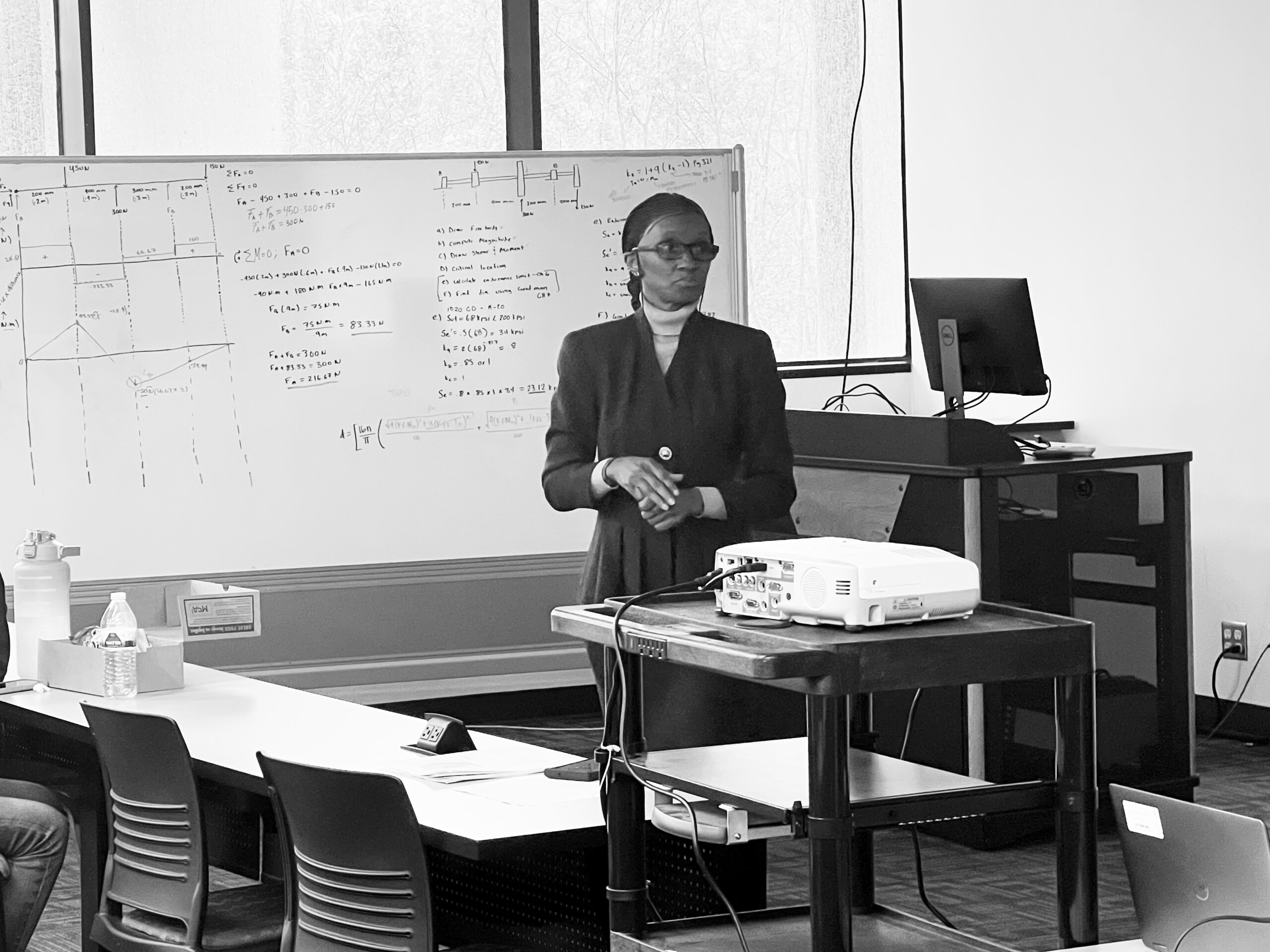
Responsible Computing is an important burgeoning field of study and practice within the realm of computer science but has much interdisciplinary potential when applied within the social sciences/humanities. The ethics, ideas, and set of practices that undergird Responsible Computing provide a dynamic model by which computer science and humanities courses can be linked. At Prairie View A&M University (PVAMU), Texas’ oldest state supported Historically Black University, this process is already underway through the joint efforts of the Division of Social Sciences and Computer Science Department. Currently, Marco Robinson (History) and Sherri Frizell (Computer Science) lead this effort and during the spring semester 2024 linked four courses (two social sciences and two computer science) to develop modules that integrate Responsible Computing into the respective curriculums.
The overall project titled “Considering Rural Communities and Issues through Socially Responsible Computing” is three tiered to impact instruction, curriculum offerings, and community outreach. The first phase of the project entails instructors preparing the teach responsible computing in the humanities and computer science, creating learning modules for students to be informed, establishing relationships in the local community, and collecting data regarding issues impacting the local community and possible computing solutions.